How to set up motion detection on a Blackmagic PTZ camera?
Leave a message

Hey there! I'm a supplier of Blackmagic PTZ cameras, and today I'm gonna walk you through how to set up motion detection on these awesome devices. Motion detection is a super - handy feature. It can be used in a bunch of scenarios, like security monitoring, recording events when something moves in the frame, or even for live streaming when you want to capture action automatically.
Step 1: Get Familiar with Your Blackmagic PTZ Camera
First things first, make sure you've got your Blackmagic PTZ camera up and running. Connect it to your network or whatever setup you're using. Chances are, if you're reading this, you've already got it all hooked up, but if not, link up the power, the network cable, and any other necessary connections. You'll also need appropriate software to control the camera. Usually, Blackmagic provides its own software that's pretty user - friendly.
Now, take a look at the camera's physical features. Notice the lens, the pan, tilt, and zoom controls. Understanding the basic mechanics of your PTZ camera will make it easier to set up motion detection. You can also check out the camera's manual if you're new to it. It's got all the technical details and specifications that might come in handy.


Step 2: Access the Camera's Settings
Once your camera is connected and powered on, you need to access its settings. This is typically done through a web browser. Enter the camera's IP address into your browser's address bar. If you're not sure what the IP address is, you can use the camera's discovery tool provided by Blackmagic.
After you enter the IP address, you'll be prompted to log in. Use the default username and password or the ones you set up during the initial configuration. Once you're logged in, you'll see a dashboard with various options. Look for the "Motion Detection" or "Event Settings" section. This is where we'll be doing most of our work.
Step 3: Define the Motion Detection Areas
In the motion detection settings, you'll have the option to define areas in the camera's field of view where you want the motion detection to work. You can do this by drawing boxes on the live preview of the camera feed. For example, if you're using the camera for security in a small room, you might want to focus on the door and the windows. Draw boxes around these areas so that the camera only detects motion in those specific spots.
You can also adjust the sensitivity of the motion detection within each area. If you set the sensitivity too high, the camera might trigger false alarms because of small movements like shadows or a pet walking by. On the other hand, if it's too low, it might miss important movements. Experiment a bit to find the right sensitivity level for your needs.
Step 4: Set Up the Alerts
After defining the motion detection areas, it's time to set up the alerts. There are different types of alerts you can configure. For instance, you can set the camera to send you an email whenever motion is detected. To do this, you'll need to enter your email address and configure the email server settings in the camera's settings.
Another option is to set up a push notification on your mobile device. Some camera models support integration with mobile apps, so you can get an instant notification on your phone when there's motion in the defined areas. You can also have the camera start recording whenever motion is detected. This is great for capturing important events. Just make sure you have enough storage space on your recording device.
Step 5: Test the Motion Detection
Once you've set up everything, it's time to test the motion detection. Walk around in the areas where you've defined motion detection. Check if the camera triggers the alerts as expected. If it doesn't, go back to the settings and adjust the sensitivity or the areas. You might need to do a few rounds of testing to get it just right.
Step 6: Fine - Tuning and Maintenance
After successful testing, you can fine - tune the settings further based on your real - world usage. Maybe you notice that some areas are more prone to false alarms, so you can reduce the sensitivity in those areas. Also, make sure to regularly check the camera's firmware and update it if there are any new versions available. Firmware updates can improve the performance of the motion detection feature and also fix any bugs that might arise.
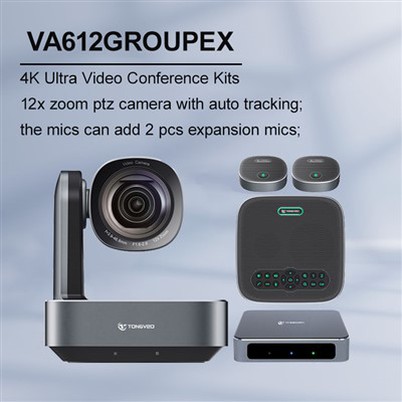
Now, let me tell you a bit about other great products we offer. We've got some really cool options for different needs. For instance, if you're into video conferencing, we have the 1080p HD Camera for Video Conference. It provides high - quality video, perfect for a professional meeting environment. And if you need a fixed solution, the USB Fixed Video Conference Camera is a solid choice. It's easy to set up and delivers great results.
For those who are involved in church streaming, we have ptz 1080p hd camera systems for churches streaming. These cameras are designed to capture those special moments with clarity and precision.
If you're interested in any of our Blackmagic PTZ cameras or other products, don't hesitate to reach out. We're here to help you with any questions you might have and get you the best solution for your needs. Whether you're a small business, a church, or just an individual looking for a great camera, we've got you covered. Let's start a conversation and figure out what works best for you!
References
- Blackmagic PTZ camera user manual
- Various online resources related to camera technology and motion detection