Are daisy chain microphones affected by radio frequency interference?
Leave a message

Hey there! As a supplier of Daisy Chain Microphones, I often get asked a whole bunch of questions about these nifty devices. One question that pops up quite frequently is, "Are daisy chain microphones affected by radio frequency interference?" Well, let's dig into this topic and find out.
First off, let's quickly understand what daisy chain microphones are. A daisy chain setup allows you to connect multiple microphones together in a series. This is super handy, especially in large conference rooms, auditoriums, or even live events. It simplifies the wiring and makes the whole audio setup a lot more organized. For example, our USB Omnidirectional Conference Microphone can be easily daisy - chained to other similar mics, providing seamless audio capture across a wide area.
Now, let's talk about radio frequency interference (RFI). RFI is basically unwanted electromagnetic signals that can mess with the normal operation of electronic devices, including microphones. These signals come from all sorts of sources, like cell phones, Wi - Fi routers, Bluetooth devices, and even some electrical appliances.
The likelihood of daisy chain microphones being affected by RFI depends on several factors. One of the main factors is the quality of the microphone's shielding. A well - shielded microphone is much better at blocking out those pesky radio frequency signals. Our daisy chain microphones are designed with high - quality shielding materials. This shielding acts like a protective barrier, preventing the RFI from getting into the microphone's internal circuitry and causing distortion or noise in the audio.
Another factor is the length of the daisy chain. The longer the chain of microphones, the more susceptible it might be to RFI. As the signal travels through the chain, it can pick up interference along the way. But here's the thing, we've done a lot of testing to optimize the signal transfer in our daisy chain microphones. We've developed advanced signal amplification and filtering technologies that help maintain a clean audio signal even when you have a relatively long daisy chain setup.
The environment where the microphones are used also plays a huge role. In a busy office with lots of Wi - Fi routers and cell phones constantly transmitting signals, the chances of RFI are higher compared to a quiet recording studio with proper electromagnetic shielding. However, our microphones are built to perform well in different environments. They have built - in filters that can detect and reject common RFI frequencies, ensuring that you get clear and crisp audio.
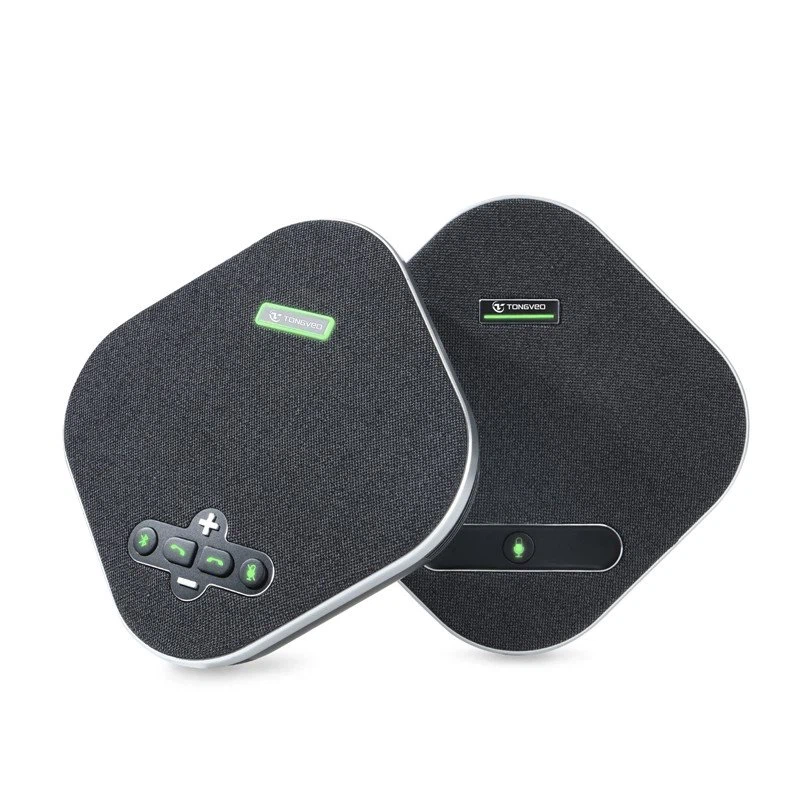
Let's take a look at some real - world scenarios. In a large conference room, there are usually multiple electronic devices in use. The laptops, smartphones, and the Wi - Fi network can all generate RFI. But when you use our daisy chain microphones, you'll notice that the audio remains clear and undistorted. Our microphones are able to pick up the voices of the speakers without being affected by the surrounding radio frequency signals.
On the other hand, if you try to use a low - quality daisy chain microphone in the same environment, you might experience issues like static noise, drop - outs, or even complete signal loss. This is because these microphones lack the proper shielding and filtering capabilities to deal with RFI.
Now, I know some of you might be thinking, "But what if I'm using other audio equipment along with the daisy chain microphones? Will that increase the risk of RFI?" Well, it's possible. If the other equipment is not properly shielded or has poor grounding, it can generate RFI that could affect the microphones. That's why we always recommend using high - quality audio equipment and ensuring that everything is properly installed and grounded.
In addition to shielding and filtering, the design of the microphone itself can also impact its resistance to RFI. Our daisy chain microphones have a compact and efficient design that minimizes the exposure to external electromagnetic fields. The internal components are carefully arranged to reduce the chances of interference.
As a supplier, we're constantly working on improving our products. We invest a lot in research and development to stay ahead of the curve when it comes to dealing with RFI. We test our microphones in different environments and under various RFI conditions to make sure they meet the highest standards of audio quality.
To sum it up, while daisy chain microphones can potentially be affected by radio frequency interference, our products are designed to minimize this risk. With high - quality shielding, advanced filtering technologies, and a well - thought - out design, our daisy chain microphones offer reliable and clear audio performance even in challenging environments.
If you're in the market for daisy chain microphones and you want to ensure that your audio setup is free from RFI issues, we're here to help. Whether you're setting up a conference room, a live event, or a recording studio, our microphones are a great choice.
Interested in learning more about our daisy chain microphones or ready to make a purchase? Just reach out to us and let's start a conversation. We're eager to work with you and provide the best audio solutions for your needs.
References
- General knowledge of audio engineering and electromagnetic interference in the audio industry
So, don't hesitate to get in touch and let's bring your audio setup to the next level!