How to connect a PTZ video camera to a TV in a church?
Leave a message

As a supplier of PTZ video cameras for churches, I understand the importance of seamless integration between the camera and the TV in a church setting. This not only enhances the viewing experience for the congregation but also ensures that the religious services are effectively broadcast. In this blog, I'll guide you through the process of connecting a PTZ video camera to a TV in a church, offering practical tips and solutions along the way.
Understanding the Basics
Before we dive into the connection process, it's essential to understand the key components involved. A PTZ (Pan-Tilt-Zoom) video camera offers the flexibility to pan left and right, tilt up and down, and zoom in and out, providing a dynamic view of the church activities. On the other hand, a TV serves as the display unit, where the footage captured by the camera is shown.
Selecting the Right Camera
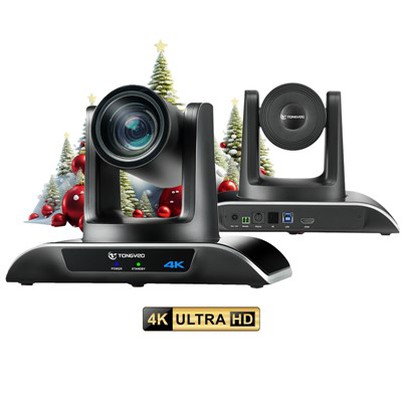
The first step in this process is to choose a suitable PTZ video camera. At our company, we offer a range of high - quality cameras that are well - suited for church environments. For instance, our Full HD USB PTZ Video Conference camera provides clear and sharp images, making it ideal for live streaming and on - site viewing in a church. It supports full - HD resolution, which ensures that every detail of the religious service is captured.
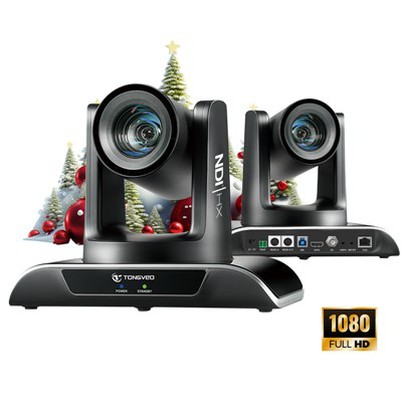
Another option is our High Quality Camera For Video Conferencing. This camera is designed to deliver excellent performance even in low - light conditions, which is often a common scenario in churches. Its advanced image - processing technology enhances the visual quality, making the services more engaging for the audience.
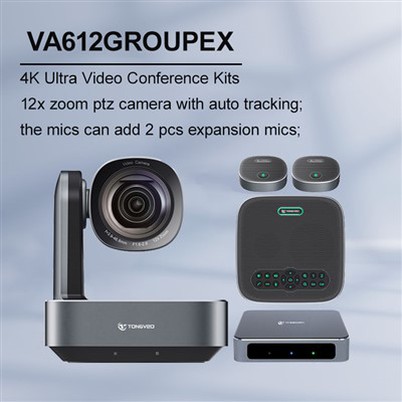
If you are planning to use the camera for online meetings such as Zoom or Microsoft Teams, our zoom meeting conference back camera for microsoft teams is a great choice. It can track the speaker automatically, ensuring that the focus is always on the right person during the service.
Connection Methods
Using an HDMI Cable
One of the simplest and most common ways to connect a PTZ video camera to a TV is by using an HDMI cable. Most modern PTZ cameras and TVs are equipped with HDMI ports. Here's how you can do it:
- Power Off the Devices: Before making any connections, turn off both the PTZ camera and the TV to prevent any electrical damage.
- Connect the HDMI Cable: Plug one end of the HDMI cable into the HDMI output port of the PTZ camera. Then, connect the other end to an available HDMI input port on the TV.
- Power On the Devices: Turn on the TV and the PTZ camera. Use the TV's remote control to select the appropriate HDMI input source. You should now see the footage from the camera on the TV screen.
Using a USB Connection
Some PTZ cameras support USB connections. If your camera and TV are compatible, you can use a USB cable to establish a connection.
- Check Compatibility: Ensure that your TV has a USB input that can support video input. Also, make sure that your PTZ camera can output video via USB.
- Connect the USB Cable: Plug one end of the USB cable into the USB output port of the camera and the other end into the USB input port of the TV.
- Select the Input Source: Turn on both devices and use the TV's remote to select the USB input source. The TV should then display the camera's footage.
Wireless Connection
For a more flexible setup, you can consider using a wireless connection. There are several wireless video transmitters available in the market that can be used to send the camera's signal to the TV wirelessly.
- Choose a Wireless Transmitter: Select a wireless transmitter that is compatible with your PTZ camera and TV. Make sure it has a sufficient range to cover the distance between the camera and the TV in your church.
- Connect the Transmitter to the Camera: Follow the manufacturer's instructions to connect the wireless transmitter to the PTZ camera. This usually involves connecting the transmitter to the camera's video output port.
- Connect the Receiver to the TV: Connect the wireless receiver to the TV using an appropriate cable (such as HDMI).
- Pair the Devices: Power on both the transmitter and the receiver and follow the pairing instructions provided by the manufacturer. Once paired, the TV should display the camera's footage.
Installation and Placement
Proper installation and placement of the PTZ camera are crucial for optimal performance.


- Height and Angle: Mount the camera at a suitable height and angle to get a good view of the church's main area, such as the altar or the pulpit. A height of around 8 - 10 feet is often recommended, as it provides a wide - angle view without causing any obstruction.
- Lighting Considerations: Avoid placing the camera in direct sunlight or in areas with harsh lighting. This can cause overexposure or glare in the footage. Instead, position the camera in a well - lit area with diffused light.
- Stability: Ensure that the camera is securely mounted to prevent any vibrations or movement during the service. A stable mount will result in smooth and steady footage.
Troubleshooting
Even with the best - laid plans, you may encounter some issues during the connection process. Here are some common problems and their solutions:
- No Image on the TV:
- Check if the cables are properly connected. Make sure that the HDMI or USB cable is plugged in firmly at both ends.
- Verify that the TV is set to the correct input source.
- Try using a different cable or port to rule out any cable or port issues.
- Poor Image Quality:
- Check the camera's settings. Adjust the focus, brightness, and contrast settings to improve the image quality.
- Ensure that the camera is not placed in an area with excessive glare or poor lighting.
- Wireless Connection Issues:
- Check if the wireless transmitter and receiver are properly paired.
- Make sure that there are no obstructions between the transmitter and the receiver that could interfere with the signal.
- Try changing the channel on the wireless transmitter if there is a lot of interference in the area.
Conclusion
Connecting a PTZ video camera to a TV in a church is a relatively straightforward process, but it requires careful consideration of the camera selection, connection methods, installation, and troubleshooting. By following the steps outlined in this blog, you can ensure a seamless connection and an enhanced viewing experience for your congregation.
If you are interested in purchasing a PTZ video camera for your church or have any questions regarding the connection process, please feel free to reach out to us. We are here to assist you in finding the best solution for your specific needs.
References
- "Video Camera Installation Guide" - Generic industry guide for camera installation.
- "Wireless Video Transmission Technology" - Technical resource on wireless video transmission.