How to connect a 1080p conference camera to a TV?
Leave a message

Hey there! As a supplier of 1080p conference cameras, I often get asked about how to connect these cameras to a TV. It's a pretty common question, especially with more and more people relying on video conferencing for work, study, and socializing. In this blog, I'll walk you through the steps to connect a 1080p conference camera to a TV, and also share some tips to make the process as smooth as possible.
What You'll Need
Before we start, let's make sure you have all the necessary equipment. Here's what you'll need:


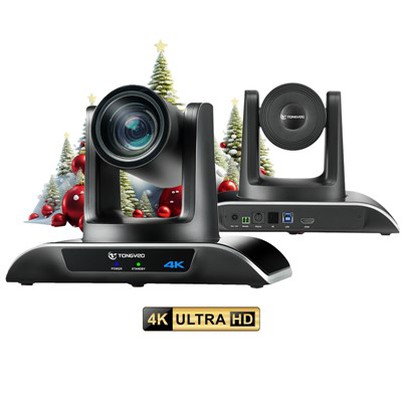
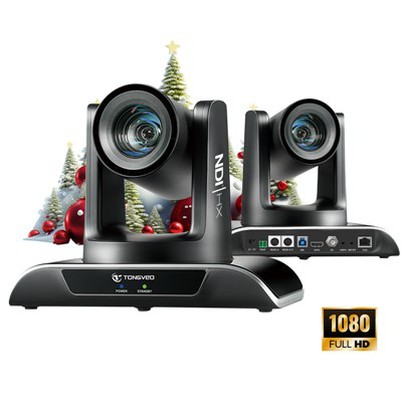
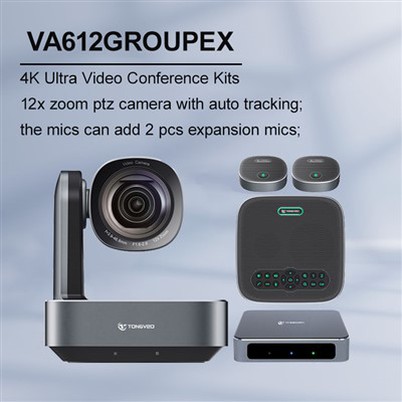
- A 1080p conference camera. We offer a range of great options, like the MAC PC video conference meeting camera, the 360 Wide Angle IP Camera for Teams Zoom Meeting, and the 1080p HD Camera for Video Conference.
- A TV with an available input port. Most modern TVs have HDMI, USB, or VGA ports, which are commonly used for connecting external devices.
- The appropriate cables. Depending on the ports available on your camera and TV, you may need an HDMI cable, a USB cable, or a VGA cable.
- A power source for the camera. Some cameras can be powered via USB, while others may require an external power adapter.
Step 1: Check Your Camera and TV Ports
The first step is to check the ports on your camera and TV. This will determine which cable you'll need to use for the connection. Here are the most common types of ports and cables:
- HDMI: This is the most popular option for high-definition video and audio transmission. If your camera and TV both have HDMI ports, you can use an HDMI cable to connect them.
- USB: Some cameras can be connected to a TV via USB. This is usually used for cameras that are designed to work with computers and can also be used as webcams.
- VGA: VGA is an older type of port that is still found on some TVs and cameras. It can be used for standard-definition video transmission, but it doesn't support audio.
Once you've identified the ports on your camera and TV, you can choose the appropriate cable. Make sure the cable is long enough to reach from the camera to the TV.
Step 2: Connect the Camera to the TV
Now that you have the right cable, it's time to connect the camera to the TV. Here's how to do it:
- Power off the TV and the camera: Before making any connections, it's a good idea to turn off both the TV and the camera to avoid any electrical damage.
- Connect the cable: Plug one end of the cable into the camera's output port and the other end into the TV's input port. Make sure the connections are secure.
- Power on the camera: If your camera requires an external power adapter, plug it into a power source and turn on the camera. If the camera can be powered via USB, it will be powered by the TV when it's connected.
- Power on the TV: Turn on the TV and use the remote control to select the input source that corresponds to the port you used to connect the camera. For example, if you connected the camera to the HDMI1 port, select HDMI1 as the input source on the TV.
Step 3: Adjust the Camera Settings
Once the camera is connected to the TV, you may need to adjust the camera settings to get the best picture quality. Here are some settings you can adjust:
- Focus: Most cameras have an auto-focus feature, but you may need to manually adjust the focus if the image is blurry. Look for a focus ring or button on the camera and turn it until the image is sharp.
- Exposure: The exposure setting controls the brightness of the image. If the image is too dark or too bright, you can adjust the exposure setting on the camera. Some cameras have an auto-exposure feature that can adjust the exposure automatically.
- White balance: The white balance setting controls the color temperature of the image. If the colors in the image look off, you can adjust the white balance setting on the camera. Some cameras have an auto-white balance feature that can adjust the white balance automatically.
Step 4: Test the Connection
After you've adjusted the camera settings, it's time to test the connection to make sure everything is working properly. Here's how to do it:
- Open a video conferencing app: If you're using the camera for video conferencing, open the video conferencing app on your computer or mobile device.
- Select the camera: In the video conferencing app, select the camera that you've connected to the TV as the video source.
- Test the audio: If your camera has a built-in microphone, you can test the audio by speaking into the microphone and listening for your voice on the TV. If the audio is not working, make sure the microphone is turned on and the volume is turned up on the TV.
- Check the picture quality: Look at the picture on the TV and make sure it's clear and sharp. If the picture quality is not satisfactory, you may need to adjust the camera settings or the TV's picture settings.
Tips for a Successful Connection
Here are some tips to help you connect a 1080p conference camera to a TV successfully:
- Use a high-quality cable: A high-quality cable can make a big difference in the picture and audio quality. Invest in a good HDMI, USB, or VGA cable to ensure the best possible connection.
- Position the camera correctly: The position of the camera can affect the picture quality and the angle of view. Make sure the camera is positioned at a comfortable height and angle for the people using it.
- Update the camera firmware: Some cameras may require firmware updates to work properly with a TV. Check the manufacturer's website for the latest firmware updates and install them if necessary.
- Check the TV's compatibility: Not all TVs are compatible with all cameras. Make sure your TV supports the resolution and format of the camera you're using.
Conclusion
Connecting a 1080p conference camera to a TV is a relatively simple process that can be done in a few easy steps. By following the steps outlined in this blog and using the tips provided, you should be able to connect your camera to a TV and start using it for video conferencing in no time.
If you're interested in purchasing a 1080p conference camera, we have a wide range of options to choose from. Our cameras are designed to provide high-quality video and audio for video conferencing, and they're easy to use and install. Contact us today to learn more about our products and to discuss your specific needs. We'd be happy to help you find the perfect camera for your video conferencing setup.
References
- Manufacturer's user manuals for the 1080p conference camera and the TV.
- Online resources and forums for video conferencing and camera setup.