How to check the network connectivity of an IP PTZ camera?
Leave a message

Hey there! As a supplier of IP PTZ cameras, I often get asked about how to check the network connectivity of these nifty devices. It's a crucial step, whether you're setting up a new camera or troubleshooting an existing one. In this blog, I'll walk you through the process, sharing some tips and tricks along the way.
First off, let's understand why network connectivity is so important for an IP PTZ camera. These cameras rely on a stable network connection to transmit video and receive commands. Without a proper connection, you won't be able to view the live feed, control the camera's pan, tilt, and zoom functions, or even receive important alerts. So, ensuring a solid network connection is the foundation for getting the most out of your IP PTZ camera.
Step 1: Check the Physical Connections
The first thing you need to do is make sure all the physical connections are in place. This includes the Ethernet cable connecting the camera to your network switch or router. A loose or damaged cable can cause intermittent connectivity issues. So, give the cable a gentle tug to make sure it's securely plugged in at both ends.
Also, check the power supply. An IP PTZ camera needs a reliable power source to function properly. If it's powered over Ethernet (PoE), ensure that your PoE switch or injector is working correctly. You can do this by checking the LED indicators on the switch or injector. If the camera is using a separate power adapter, make sure it's plugged in and the power outlet is working.
Step 2: Verify the IP Address
Every IP PTZ camera has a unique IP address, which is like its digital home address on the network. To check the camera's network connectivity, you need to know its IP address. You can usually find this information in the camera's user manual or through the camera's web interface.
Once you have the IP address, you can use the ping command to test the connectivity. On a Windows computer, open the Command Prompt by pressing the Windows key + R, typing "cmd", and hitting Enter. On a Mac, open the Terminal application. Then, type "ping [camera's IP address]" and press Enter. For example, if the camera's IP address is 192.168.1.100, you would type "ping 192.168.1.100".
If the ping command returns a series of replies, it means the camera is reachable on the network. However, if you get a "Request timed out" message, it indicates that there's a problem with the network connection. This could be due to a firewall blocking the ping requests, a misconfigured network settings, or a hardware issue.
Step 3: Check the Network Settings
If the ping test fails, the next step is to check the camera's network settings. You can access the camera's web interface by entering its IP address in a web browser. You'll need to enter the username and password to log in. Once you're logged in, look for the network settings section.
Here, you can verify the IP address, subnet mask, gateway, and DNS server settings. Make sure they match the settings of your network. If the camera is set to obtain an IP address automatically (DHCP), ensure that your DHCP server is working correctly. You can try resetting the camera to its default network settings and then reconfiguring it.


Step 4: Test the Camera's Web Interface
If the ping test is successful, but you're still having trouble accessing the camera's live feed or controlling it, try accessing the camera's web interface again. If you can't access the web interface, it could be due to a browser compatibility issue. Try using a different browser or clearing your browser's cache and cookies.
You can also try accessing the camera's web interface from a different device on the same network. If the problem persists, it could be a problem with the camera's firmware. Check the camera manufacturer's website for any available firmware updates and install them if necessary.
Step 5: Check for Firewall and Security Settings
Firewalls and security settings can sometimes block the network traffic between your computer and the IP PTZ camera. Make sure your firewall is configured to allow the necessary ports for the camera to function properly. The most common ports used by IP PTZ cameras are TCP port 80 (for HTTP), TCP port 443 (for HTTPS), and UDP port 554 (for RTSP).
If you're using a router with built-in security features, check its settings to ensure that it's not blocking the camera's traffic. You may need to create a port forwarding rule to allow external access to the camera if you want to view it from outside your network.
Step 6: Use Network Diagnostic Tools
If you're still having trouble diagnosing the network connectivity issue, you can use network diagnostic tools. One popular tool is Wireshark, which allows you to capture and analyze network traffic. You can use Wireshark to see if there's any traffic between your computer and the camera and to identify any potential issues.
Another useful tool is the Network Monitor in Windows, which provides real-time information about network activity. You can use it to monitor the network traffic and see if there are any errors or issues.
Recommended IP PTZ Cameras
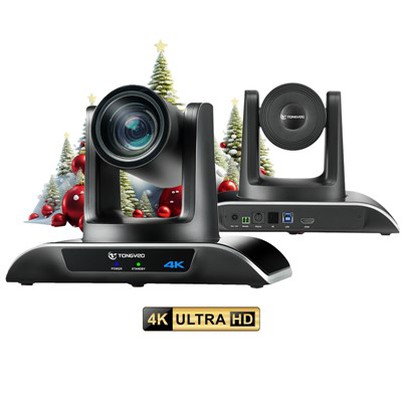
As an IP PTZ camera supplier, I'd like to recommend some of our top products. Check out our PTZ IP Conference Room Camera, which is perfect for conference rooms. It offers high-quality video and smooth pan, tilt, and zoom functions.
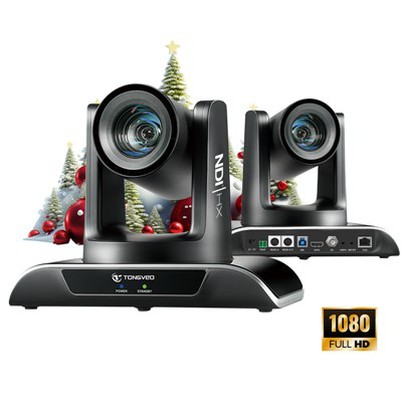
For large conference rooms, our High-Definition 30x Zoom HDMI SDI IP Conference Camera for Large Conference Rooms is a great choice. It provides crystal-clear video with a 30x zoom, ensuring that every detail is captured.
If you need a camera with a wide field of view, our Wide Angle Conference Camera is the way to go. It covers a large area, making it ideal for group meetings and presentations.
Conclusion
Checking the network connectivity of an IP PTZ camera is an essential step to ensure its proper functioning. By following the steps outlined in this blog, you should be able to diagnose and resolve most network connectivity issues. If you're still having trouble, don't hesitate to reach out to us. We're here to help you get the most out of your IP PTZ camera.
If you're interested in purchasing an IP PTZ camera or have any questions about our products, feel free to contact us for a consultation. We'll be happy to assist you in finding the right camera for your needs.
References
- Camera User Manuals
- Network Troubleshooting Guides