How do daisy chain microphones compare to regular microphones?
Leave a message

Hey there, audio enthusiasts! I'm a supplier of daisy chain microphones, and I'm super stoked to dive into the nitty - gritty of how daisy chain microphones stack up against regular microphones.
Let's start by getting on the same page about what these two types of mics are. Regular microphones are the ones you're probably most familiar with. They're the go - to choice for solo recording, like when you're singing a song in your home studio or doing a voice - over for a small project. You plug them into your audio interface or mixer, and boom, you're good to go.
On the flip side, daisy chain microphones are a bit more of a team player. The term "daisy chain" comes from the way you can connect multiple mics together in a series, kind of like linking a bunch of daisies to make a flower chain. This setup allows you to expand your audio capture capabilities without having to use a ton of individual cables and ports on your audio equipment.
Sound Quality
One of the first things people care about when it comes to microphones is sound quality. Regular microphones are designed to focus on capturing a single source of sound as accurately as possible. They often have a specific pickup pattern, like cardioid, which is great for picking up sound from the front and rejecting noise from the sides and back. This makes them ideal for recording a single singer or an instrument in a controlled environment.
Daisy chain microphones, however, are built with a different purpose in mind. Since they're usually used in larger setups, like conference rooms or live events where you need to capture multiple sources of sound simultaneously, their sound quality is more about overall coverage. They're engineered to pick up sound from a wider area. Some daisy chain mics, like the USB Omnidirectional Conference Microphone, are omnidirectional. This means they can pick up sound from all directions, which is perfect for a group of people sitting around a table during a meeting.
But does this mean daisy chain mics sacrifice sound quality? Not necessarily. Modern daisy chain microphones are equipped with advanced technology to ensure that the sound they capture is clear and crisp. They use high - quality condensers and pre - amplifiers to boost the audio signal and reduce noise. However, if you're looking for that super - focused, studio - grade sound for a single source, a regular microphone might still be your best bet.
Ease of Setup
When it comes to setting up your audio gear, time is of the essence. Regular microphones are pretty straightforward. You just need to connect them to your audio interface or mixer using a single cable, and you're ready to start recording. It's a simple, one - to - one connection that doesn't require a lot of technical know - how.
Daisy chain microphones, on the other hand, offer a different kind of simplicity. Instead of having to run multiple cables from each microphone to your audio equipment, you can connect them all together in a daisy chain. This not only reduces cable clutter but also saves you a ton of time. You can place the mics around the room, connect them in series, and then connect the whole chain to your audio interface with just one cable. It's a great solution for large - scale events or conference rooms where you need to set up quickly.
Cost
Cost is always a factor when you're making a purchasing decision. Regular microphones come in a wide range of prices. You can find entry - level models for as little as $50, while high - end studio microphones can cost thousands of dollars. The price usually depends on the brand, the quality of the components, and the features.
Daisy chain microphones tend to be a bit more expensive on a per - unit basis. This is because they're often designed for professional use and come with more advanced features. However, when you consider the overall cost of setting up a large - scale audio system, daisy chain mics can actually be more cost - effective. You don't need to buy multiple audio interfaces or mixers to handle all the microphones. You can connect a whole bunch of daisy chain mics to a single input on your audio equipment, which can save you money in the long run.
Flexibility
Flexibility is another important aspect to consider. Regular microphones are great for specific tasks. If you're a musician, you can choose a microphone that's tailored to the instrument you're recording. For example, a dynamic microphone is perfect for recording drums because it can handle high sound pressure levels.
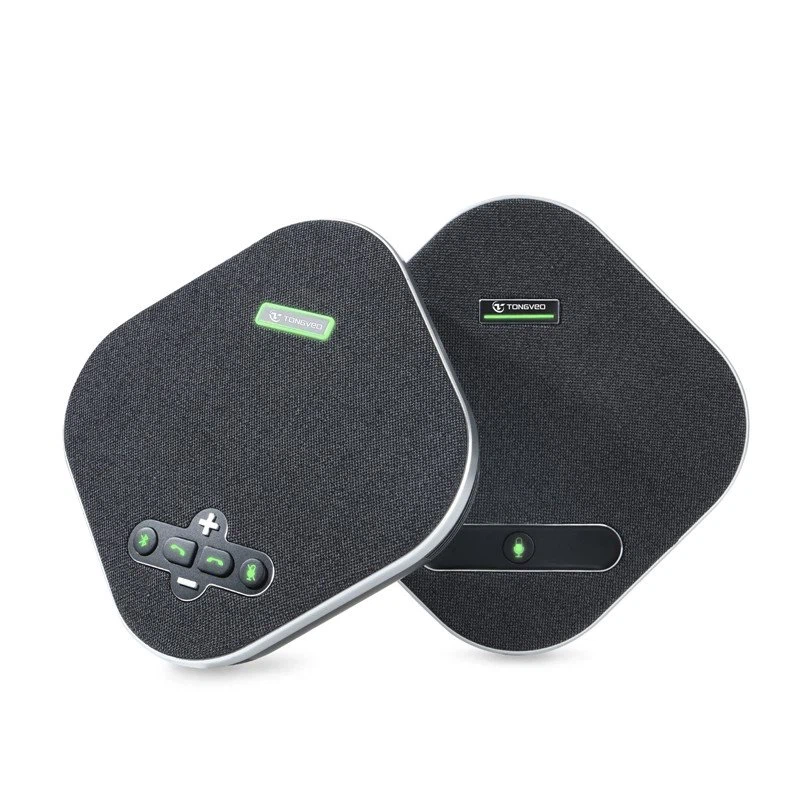
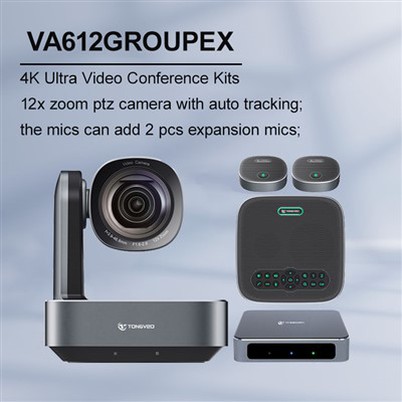
Daisy chain microphones offer a different kind of flexibility. They allow you to easily expand your audio system as your needs grow. If you start with a small conference room and then need to accommodate a larger space, you can simply add more daisy chain mics to the existing setup. This scalability makes them a great choice for businesses and organizations that need to adapt to changing requirements.
Applications
Let's talk about where these two types of microphones shine. Regular microphones are the stars of the studio. They're used for recording music, voice - overs, podcasts, and any other application where you need to capture a single, high - quality sound source. They're also popular among solo performers who want to record their own music at home.
Daisy chain microphones, as I've mentioned before, are perfect for group settings. They're commonly used in conference rooms, boardrooms, lecture halls, and live events. They ensure that everyone's voice is picked up clearly, no matter where they're sitting in the room.
In conclusion, both daisy chain microphones and regular microphones have their own unique advantages. If you're a solo artist or need to record a single source with high precision, a regular microphone is probably your best option. But if you're dealing with a large group of people or need a scalable audio solution, daisy chain microphones are the way to go.
If you're interested in learning more about our daisy chain microphones or are thinking about making a purchase, I'd love to chat with you. Just reach out, and we can discuss your specific needs and how our products can meet them. Whether you're setting up a new conference room or upgrading your existing audio system, we've got the right solution for you.
References
- "Microphone Technology Handbook" by John Borwick
- "Audio Engineering: Principles and Practice" by David Miles Huber and Robert E. Runstein