Do HDMI conference cameras support 3D imaging?
Leave a message

Hey there! As a supplier of HDMI conference cameras, I often get asked a bunch of questions about these nifty devices. One question that pops up quite a bit is, "Do HDMI conference cameras support 3D imaging?" Well, let's dig into this topic and find out.
First off, let's understand what HDMI conference cameras are. These cameras are designed for video conferencing, which is super important in today's world where remote work and online meetings are the norm. They use the HDMI (High-Definition Multimedia Interface) to transmit high-quality video and audio signals. HDMI is known for its ability to carry uncompressed digital data, which means you get sharp and clear images and sound during your conferences.
Now, let's talk about 3D imaging. 3D imaging creates an illusion of depth, making the objects in the image look like they're popping out of the screen. It's been a popular feature in movies, gaming, and some specialized applications. But when it comes to HDMI conference cameras, the situation is a bit more complicated.
Most of the HDMI conference cameras on the market today are focused on providing high-definition 2D video. The main reason for this is that 2D video is sufficient for most conference needs. It allows participants to see each other clearly, read documents, and share presentations without any issues. Also, 2D video is easier to process and transmit, which means less strain on the network and the camera's hardware.
However, there are some advanced technologies out there that could potentially enable 3D imaging in HDMI conference cameras. For example, some cameras use multiple lenses or sensors to capture different perspectives of the same scene. By combining these perspectives, it's possible to create a 3D image. But these technologies are still in the early stages of development and are not widely available in consumer-grade HDMI conference cameras.


Another factor to consider is the infrastructure required for 3D imaging. To display a 3D image, you need a 3D-compatible display device, such as a 3D TV or a specialized 3D monitor. You also need the right software and drivers to process and render the 3D image correctly. Most conference rooms are not equipped with this kind of infrastructure, which makes it less practical to use 3D imaging in a conference setting.
But that doesn't mean there's no future for 3D imaging in HDMI conference cameras. As technology continues to evolve, we might see more cameras with 3D capabilities hitting the market. There are already some research projects and prototypes exploring the potential of 3D video conferencing. For example, some companies are working on using virtual reality (VR) and augmented reality (AR) technologies to create more immersive conference experiences. These technologies could potentially use 3D imaging to make the participants feel like they're in the same room together.
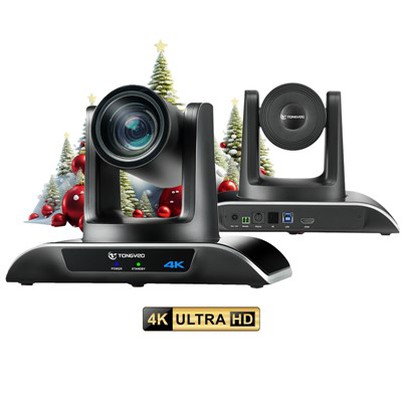
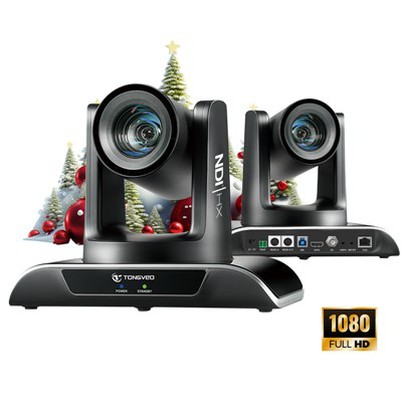
If you're in the market for an HDMI conference camera, there are plenty of great options available that offer high-quality 2D video. For example, our IP Video Conference Camera is a popular choice. It offers excellent image quality, wide-angle view, and easy integration with various video conferencing platforms. Another great option is our HDMI SDI HD PTZ 20x Optical Zoom Camera for Video Conference, which provides powerful zoom capabilities and high-definition video. And if you're looking for a camera that works well with Zoom, check out our Zoom Conference Meeting With Ip Camera.
In conclusion, while most HDMI conference cameras currently do not support 3D imaging, there is potential for this technology to develop in the future. For now, if you're looking for a reliable and high-quality conference camera, focus on the 2D options available. They will meet the needs of most conference settings and provide a great user experience.
If you're interested in learning more about our HDMI conference cameras or have any questions about the products, feel free to reach out. We're always happy to help you find the right camera for your needs and discuss potential procurement options. Whether you're a small business looking to set up a basic conference room or a large enterprise in need of a more advanced solution, we've got you covered.
References
- Various industry reports on video conferencing technology
- Research papers on 3D imaging and its potential applications in conferencing