Can I use a video conference kit for legal proceedings?
Leave a message

Can I use a video conference kit for legal proceedings?
Hey there! As a supplier of video conference kits, I get this question a lot: Can I use a video conference kit for legal proceedings? Well, let's dive right into it and explore the ins and outs of using these nifty gadgets in the legal world.
First off, the short answer is yes, you can use a video conference kit for legal proceedings. In fact, it's becoming more and more common, especially in today's digital age where remote work and virtual meetings are the norm. With the right video conference kit, legal professionals can conduct hearings, depositions, and even trials without everyone having to be in the same physical location.
One of the main advantages of using a video conference kit for legal proceedings is convenience. Lawyers, clients, witnesses, and judges can participate from anywhere in the world, as long as they have a stable internet connection. This saves time and money on travel, and it also makes it easier for people with mobility issues or other constraints to participate in legal proceedings.
Another benefit is flexibility. Video conference kits allow for real-time communication and interaction, just like in-person meetings. You can see and hear everyone clearly, and you can even share documents and other visual aids during the proceedings. This makes it easier to present your case and to engage with the other parties involved.
But before you start using a video conference kit for legal proceedings, there are a few things you need to consider. First, you need to make sure that the kit you choose is reliable and secure. Legal proceedings involve sensitive information, so you need to ensure that the video conference system you use has strong encryption and other security features to protect the privacy and confidentiality of the participants.
Second, you need to check the rules and regulations of the court or tribunal where the legal proceedings will take place. Some courts may have specific requirements or guidelines regarding the use of video conference technology, so you need to make sure that you comply with these rules.
Third, you need to test the video conference kit before the actual proceedings. This will help you to identify and resolve any technical issues or problems that may arise, and it will also give you a chance to familiarize yourself with the system and its features.
Now, let's take a look at some of the different types of video conference kits that are available for legal proceedings.
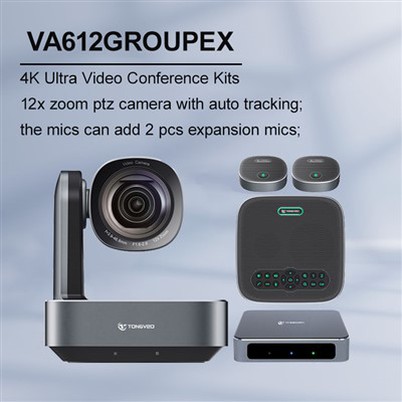
One option is a video conference kit for large room systems solutions. These kits are designed for use in large conference rooms or courtrooms, and they typically include high-quality cameras, microphones, and speakers to ensure clear and reliable communication. They may also include features such as multiple display screens, document cameras, and wireless connectivity.
Another option is a Video Conferencing System Kit. These kits are more compact and portable, and they are suitable for use in smaller rooms or for remote participants. They typically include a camera, microphone, and speaker, as well as software for managing the video conference.
Finally, there is the Wireless Video Conference System. This type of system allows for wireless connectivity between the devices, which makes it easier to set up and use. It is also more flexible, as you can move the devices around the room without having to worry about cables.
In conclusion, using a video conference kit for legal proceedings can be a great way to save time, money, and hassle. It offers convenience, flexibility, and real-time communication, and it can help to make legal proceedings more accessible and efficient. However, it's important to choose the right kit, to comply with the rules and regulations of the court, and to test the system before the actual proceedings.
If you're interested in learning more about our video conference kits or if you have any questions or concerns, please don't hesitate to contact us. We'd be happy to help you find the right solution for your legal proceedings.
References


- "The Use of Video Conferencing in Legal Proceedings." American Bar Association.
- "Video Conferencing in the Courts: A Guide for Judges, Lawyers, and Court Staff." National Center for State Courts.