Can a video conference camera be used with multiple devices simultaneously?
Leave a message

In the modern digital age, video conferencing has become an integral part of both business and personal communication. As a leading supplier of video conference cameras, I often encounter a question from our clients: Can a video conference camera be used with multiple devices simultaneously? This blog post aims to delve into this query, exploring the technical possibilities, practical limitations, and potential solutions.
Technical Feasibility
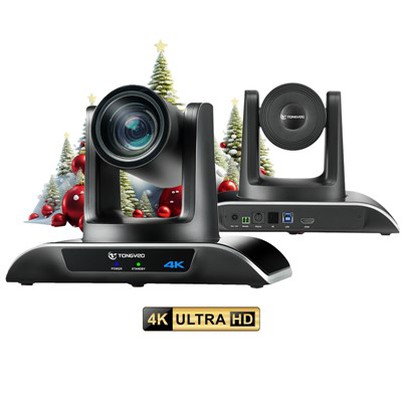
At the heart of the matter lies the technical capabilities of video conference cameras. Most modern cameras are designed to connect to a single device at a time through standard interfaces such as USB, HDMI, or Ethernet. These interfaces are typically exclusive, meaning that once a camera is connected to a device, it cannot directly communicate with another device without manual intervention.
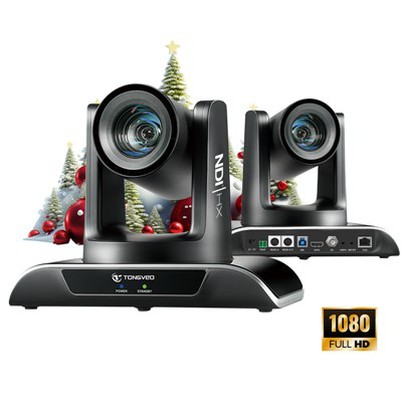
However, there are exceptions. Some high - end video conference cameras support network - based connections, such as IP (Internet Protocol) or NDI (NewTek NDI). These technologies allow the camera to stream video over a network, and multiple devices on the same network can potentially access the camera's feed. For example, our Ndi Ptz Camera For Church Live Streaming uses NDI technology, which enables seamless sharing of video across multiple devices within a local network.
Practical Limitations
Despite the technical possibilities, there are several practical limitations to using a video conference camera with multiple devices simultaneously.
Bandwidth Constraints
Video streaming requires a significant amount of bandwidth. If multiple devices are trying to access the camera's feed simultaneously, it can quickly exhaust the available network bandwidth. This can result in poor video quality, buffering, or even complete loss of the video signal. For example, in a small office with a limited broadband connection, attempting to stream the camera feed to five or six devices at once may cause the entire network to slow down.


Software Compatibility
Not all devices and software applications support the simultaneous use of a video conference camera. Some applications may have restrictions on the number of input sources they can handle, or they may require specific drivers or settings to work with the camera. For instance, a legacy video conferencing software may not be able to recognize a camera that is already connected to another device.
Control and Management
When multiple devices are using a single camera, it can be challenging to manage and control the camera's functions. For example, if one device wants to zoom in on a particular subject, while another device wants to pan the camera to a different area, conflicts can arise. There needs to be a clear mechanism for coordinating the control of the camera to ensure a smooth video conferencing experience.
Potential Solutions
Hardware - Based Solutions
One way to overcome the limitations is through the use of hardware - based solutions. For example, a video switcher can be used to connect a single camera to multiple devices. A video switcher allows you to select which device has access to the camera's feed at any given time. This way, you can share the camera among different devices without the need for constant physical re - connection.
Software - Based Solutions
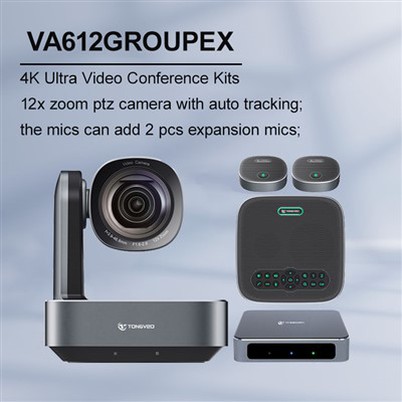
There are also software - based solutions available. Some video conferencing platforms offer features that allow multiple users to access a single camera feed. These platforms can manage the bandwidth usage and coordinate the control of the camera. For example, our All in One Audio Video Conference Room System includes software that can handle multiple device connections, ensuring a seamless video conferencing experience.
Use Cases
Corporate Environments
In a corporate setting, multiple departments or teams may need to use the same video conference camera for different meetings or presentations. By using a camera that can be shared among multiple devices, companies can save on hardware costs and improve efficiency. For example, a sales team can use the camera for a product demonstration, and then the marketing team can use it for a brand awareness campaign presentation, all without the need to purchase separate cameras.
Educational Institutions
Schools and universities often have limited resources, and sharing a single video conference camera among multiple classrooms or departments can be a cost - effective solution. Teachers can use the camera for online lectures, and administrators can use it for staff meetings or parent - teacher conferences.
Conclusion
In conclusion, while it is technically possible to use a video conference camera with multiple devices simultaneously, there are several practical limitations that need to be considered. However, with the right hardware and software solutions, these limitations can be overcome. As a video conference camera supplier, we are committed to providing our customers with high - quality products and solutions that meet their specific needs.
If you are interested in exploring our range of video conference cameras and related solutions, including our USB 3.0 Video Conference Camera, please feel free to contact us for a detailed discussion on your requirements. Our team of experts is ready to assist you in finding the perfect solution for your video conferencing needs.
References
- Cisco. "Video Conferencing Best Practices." Cisco White Paper.
- Poly. "Understanding Video Conferencing Technology." Poly Knowledge Base.
- NewTek. "NDI Technology Overview." NewTek Documentation.