What software is required to use an HDMI conference camera?
Leave a message

Hey there! If you're like me, someone who's deep into the world of HDMI conference cameras (and I'm a supplier, so you know I've got the inside scoop), you've probably wondered about the software needed to make these nifty devices work their magic. Let's dive right in and break it down.
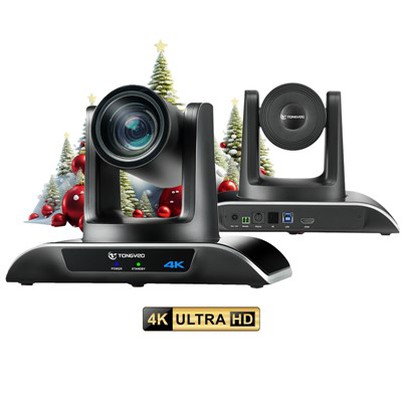
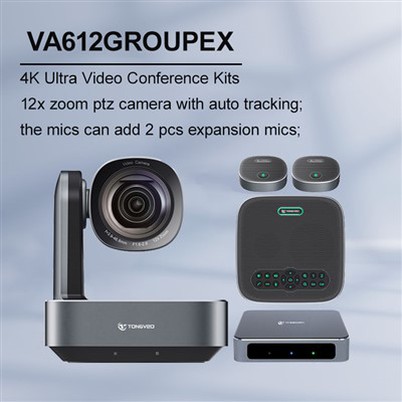
First off, what's an HDMI conference camera? Well, it's a game - changer for meetings, classrooms, and all sorts of online interactions. It offers high - quality video and sometimes even comes with built - in mics and speakers. For example, our Conference Digital Camera With Mic And Speaker For Classroom Online Remote Teaching is a top - notch option that combines great imaging with audio capabilities, perfect for those online teaching sessions.
Now, onto the software side. The most basic software requirement for an HDMI conference camera is a video conferencing application. There are tons of these out there, each with its own set of features and quirks.
Zoom
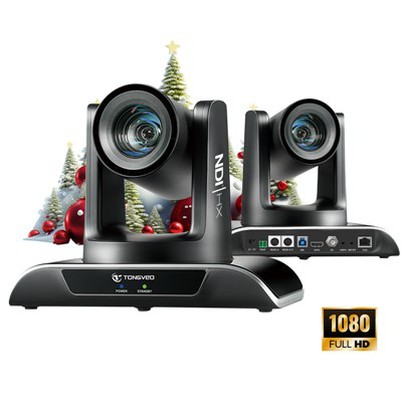
Zoom is a household name when it comes to video conferencing. It's super user - friendly and has a wide range of features. You can host meetings with up to 100 participants for free, and there are paid plans for larger groups. To use your HDMI conference camera with Zoom, you'll need to make sure your camera is recognized by the system. Usually, when you plug in your camera, your computer should detect it. Then, in the Zoom settings, you can select your HDMI conference camera as the video source. Our Ptz Camera For Zoom Meetings is specifically designed to work seamlessly with Zoom, providing sharp video and smooth panning, tilting, and zooming functions during your meetings.
Microsoft Teams
Microsoft Teams is another popular choice, especially for businesses that are already using Microsoft's suite of products. It integrates well with Outlook, SharePoint, and other Microsoft apps. When using an HDMI conference camera with Teams, the process is similar to Zoom. You plug in your camera, let your computer detect it, and then select it as the video input in the Teams settings. Our cameras are also compatible with Microsoft Teams, ensuring that you get a high - quality video experience during your corporate meetings.
Google Meet
Google Meet is great for those who are already in the Google ecosystem. It's simple to use and offers a clean interface. To use your HDMI conference camera with Google Meet, just follow the same steps of plugging in the camera, having your computer recognize it, and then selecting it as the video source in the Meet settings. Whether you're a small business or an educational institution, Google Meet can be a reliable option for your video conferencing needs, and our cameras can enhance that experience.
Camera - Specific Software
In addition to the video conferencing apps, some HDMI conference cameras come with their own software. This software can offer advanced features like camera control, image adjustment, and more. For example, our Wide Angle Ptz Usb Camera has its own software that allows you to customize the camera's settings, such as adjusting the focus, brightness, and contrast. This gives you more control over the video quality and ensures that you get the best possible output for your meetings.
Operating System Requirements
The software compatibility also depends on your operating system. Most HDMI conference cameras work well with Windows, macOS, and Linux. However, there might be some minor differences in the setup process.
Windows
On Windows, the plug - and - play feature usually makes it easy to connect your camera. The system will automatically install the necessary drivers if they're not already installed. If you run into any issues, you can check the Device Manager to make sure the camera is recognized and functioning properly.


macOS
Mac users will find that their systems are also quite good at detecting new devices. Once your HDMI conference camera is plugged in, you can go to the System Preferences and select the camera as the video input for your applications.
Linux
Linux can be a bit more tricky, as different distributions may have different ways of handling hardware. But in general, most modern Linux distributions support USB devices well. You may need to install some additional drivers or use the command line to configure the camera, but it's definitely doable.
Other Considerations
Apart from the main software and operating system requirements, there are a few other things to keep in mind.
Firewalls and Network Settings
Your company's firewall or home network settings can sometimes block the camera from working properly. You may need to adjust the settings to allow the video conferencing application to access the camera. Make sure to check with your IT department if you're in a corporate environment.
Firmware Updates
It's important to keep your camera's firmware up - to - date. Camera manufacturers often release firmware updates to improve performance, add new features, and fix bugs. Check the manufacturer's website regularly for the latest firmware and follow the instructions to update your camera.
Conclusion
So, there you have it! The software requirements for using an HDMI conference camera mainly revolve around video conferencing applications, camera - specific software, and ensuring compatibility with your operating system. Whether you're using Zoom, Microsoft Teams, Google Meet, or other apps, our HDMI conference cameras are designed to work smoothly and provide you with a great video conferencing experience.
If you're interested in purchasing an HDMI conference camera for your business, classroom, or personal use, don't hesitate to reach out. We're here to help you find the perfect camera for your needs and provide you with all the support you need to get it up and running.
References
- General knowledge about video conferencing software and HDMI conference cameras.
- Product specifications and documentation from our HDMI conference camera range.