What is the signal - to - noise ratio of daisy chain microphones?
Leave a message

As a supplier of Daisy Chain Microphones, I often get asked about various technical aspects of our products. One of the most frequently discussed topics is the signal - to - noise ratio (SNR) of daisy chain microphones. In this blog post, I'll delve into what SNR means for daisy chain microphones, why it matters, and how our products stack up in this crucial metric.
Understanding Signal - to - Noise Ratio
Before we specifically discuss daisy chain microphones, let's first understand what signal - to - noise ratio is. SNR is a measure that compares the level of a desired signal (the audio we want to capture) to the level of background noise. It is typically expressed in decibels (dB). A higher SNR indicates that the signal is much stronger than the noise, resulting in clearer and more accurate audio recordings or transmissions.
Mathematically, SNR is calculated as the ratio of the power of the signal to the power of the noise. In practical terms, if you have a microphone with an SNR of 60 dB, it means that the signal is 1000 times more powerful than the noise. This is because each 10 dB increase represents a ten - fold increase in power.
Why SNR is Crucial for Daisy Chain Microphones
Daisy chain microphones are designed to be connected in a series, allowing multiple microphones to work together. This setup is commonly used in large conference rooms, lecture halls, and other environments where comprehensive audio coverage is required.
In such settings, background noise can be a significant issue. There could be ambient sounds like air conditioning, people shuffling in their seats, or outside traffic. A low SNR microphone will pick up this noise along with the desired audio, resulting in a muddled and unclear sound. This can make it difficult for listeners to understand the speaker, especially in a group setting where multiple voices might be present.
On the other hand, a daisy chain microphone with a high SNR can effectively separate the signal from the noise. It will focus on capturing the voices of the speakers while minimizing the impact of background noise. This ensures that the audio quality remains high, making it easier for everyone in the room or those listening remotely to follow the conversation.
Factors Affecting the SNR of Daisy Chain Microphones
Several factors can influence the SNR of daisy chain microphones.
Microphone Design
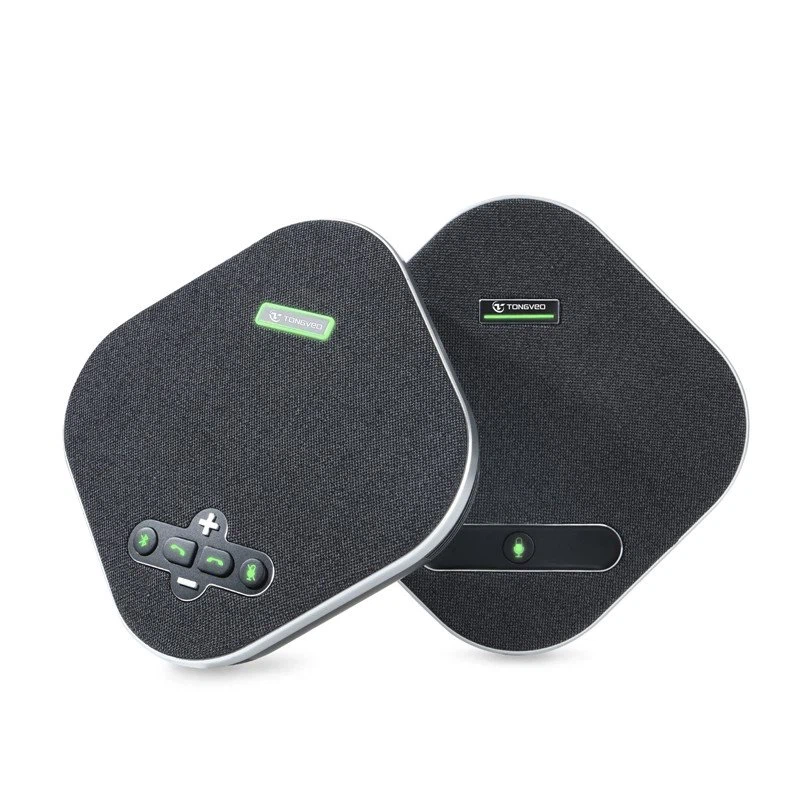
The physical design of the microphone plays a crucial role. High - quality microphones are often equipped with advanced acoustic sensors that are more sensitive to the desired signal and less prone to picking up noise. For example, our USB Omnidirectional Conference Microphone uses state - of - the - art sensor technology. These sensors are designed to have a high sensitivity to human voices while rejecting unwanted noise from other directions.
Signal Processing
Modern daisy chain microphones come with built - in signal processing algorithms. These algorithms can analyze the incoming audio and distinguish between the signal and the noise. They can then amplify the signal and suppress the noise. Our microphones are equipped with advanced digital signal processing (DSP) chips that perform real - time noise reduction. These chips can adapt to different acoustic environments, ensuring optimal SNR in various settings.
Cable Quality
In a daisy chain setup, the cables used to connect the microphones are also important. Poor - quality cables can introduce additional noise into the system. High - quality shielded cables can minimize electromagnetic interference and other forms of noise. We use high - grade shielded cables in our daisy chain microphone systems to ensure that the signal remains clean and the SNR is maintained at a high level.
Measuring the SNR of Daisy Chain Microphones
Measuring the SNR of daisy chain microphones is a complex process. It typically involves using specialized audio testing equipment in a controlled environment.
First, a reference signal is played into the microphone. This signal represents the desired audio. At the same time, a known level of background noise is introduced. The microphone then captures both the signal and the noise. The audio output is then analyzed to determine the power of the signal and the power of the noise.
The difference between the two powers is calculated to obtain the SNR. However, it's important to note that the actual SNR in a real - world environment may vary slightly from the laboratory - measured value due to factors such as room acoustics and the presence of other electronic devices.
Our Daisy Chain Microphones and SNR
As a supplier, we take great pride in the SNR performance of our daisy chain microphones. Our products are engineered to provide industry - leading SNR values.
We conduct extensive research and development to continuously improve the SNR of our microphones. Our team of audio engineers is constantly working on optimizing the microphone design, signal processing algorithms, and cable quality.
In addition, we test our products rigorously in various real - world scenarios to ensure that they perform well in different environments. Whether it's a small meeting room or a large auditorium, our daisy chain microphones are designed to deliver clear and high - quality audio with a high SNR.
Conclusion
The signal - to - noise ratio is a critical factor when it comes to daisy chain microphones. A high SNR ensures that the audio captured is clear and free from background noise, making it ideal for use in large - scale audio applications.
At our company, we are committed to providing our customers with daisy chain microphones that offer exceptional SNR performance. Our products are designed to meet the highest standards of audio quality, and we continuously strive to improve them.
If you're in the market for daisy chain microphones and are concerned about SNR, we'd love to have a conversation with you. Whether you're setting up a new conference room or upgrading an existing audio system, our team of experts can help you choose the right product for your needs. Contact us to start the procurement discussion and experience the difference that high - SNR daisy chain microphones can make.
References
- "Audio Engineering Handbook" by Don and Carolyn Davis
- "Microphone Technology and Applications" by Behringer