What is the sensitivity of a 1080p conference cam's image sensor?
Leave a message

What is the sensitivity of a 1080p conference cam's image sensor?
As a supplier of 1080p conference cameras, I often get asked about the sensitivity of the image sensors in our devices. Understanding the sensitivity of these sensors is crucial for anyone looking to invest in high - quality video conferencing equipment. In this blog, I'll delve into what sensor sensitivity means, why it matters for 1080p conference cameras, and how our products stack up in this regard.
Understanding Sensor Sensitivity
Sensor sensitivity in a camera is a measure of how well the image sensor can convert light into an electrical signal. It is typically measured in ISO values, similar to traditional film photography. A higher ISO value indicates that the sensor can capture an image with less light. For example, a camera with an ISO of 1600 can take a photo in a dimly lit room where a camera with an ISO of 100 might produce a dark or blurry image.


In the context of 1080p conference cameras, sensor sensitivity plays a vital role in ensuring clear and sharp video quality, regardless of the lighting conditions in the meeting room. Whether it's a well - lit boardroom or a dimly lit home office, a camera with high sensitivity can capture detailed and vivid images.
Why Sensitivity Matters for 1080p Conference Cams
- Variable Lighting Conditions: Conference rooms come in all shapes and sizes, and the lighting can vary greatly. Some rooms may have large windows that let in plenty of natural light, while others rely solely on artificial lighting. A camera with high sensitivity can adapt to these different lighting scenarios. For instance, in a room with soft, diffused light, a sensitive sensor can pick up the details of the participants' faces and the surrounding environment, ensuring that everyone can be clearly seen during the video conference.
- Reduced Noise: Low - light situations often lead to increased noise in the image. Noise appears as grainy or speckled patterns in the video, which can be distracting and reduce the overall quality of the conference. A more sensitive sensor can capture a cleaner image in low light, minimizing the noise and providing a more professional look.
- Enhanced Color Accuracy: In addition to capturing clear images, high - sensitivity sensors can also reproduce colors more accurately. This is important in a conference setting, as it allows participants to see the correct colors of documents, presentations, and other visual aids.
Our 1080p Conference Cameras and Sensor Sensitivity
At our company, we take great pride in the image sensors used in our 1080p conference cameras. Our cameras are equipped with state - of - the - art sensors that offer high sensitivity, ensuring excellent video quality in a wide range of lighting conditions.
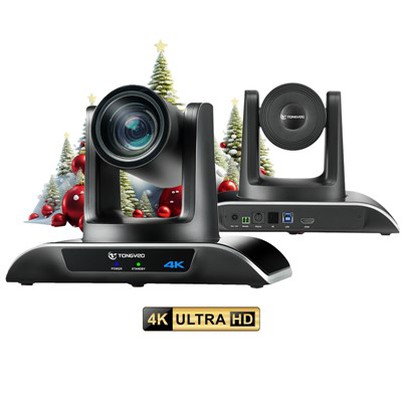
Our Conference Room Zoom Camera is a prime example. The sensor in this camera has a high ISO range, allowing it to capture sharp and detailed images even in low - light environments. Whether you're in a large conference hall with dim lighting or a small meeting room with limited natural light, this camera can deliver clear and vivid video.
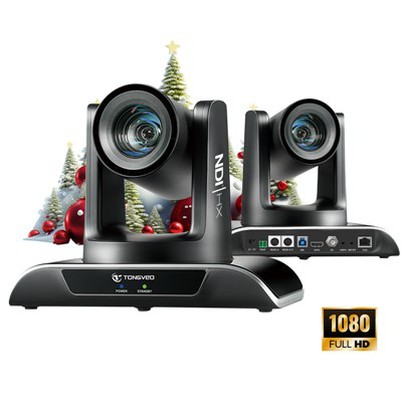
Another popular product is our top usb meeting room video conference camera. This camera is designed for modern meeting rooms and home offices. Its sensitive sensor can adapt to different lighting setups, providing consistent video quality. The high - sensitivity sensor also helps in reducing noise, so you can have a professional - looking video conference without any distractions.
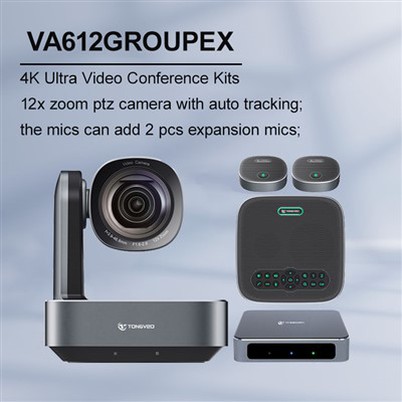
Our 1080P USB HD Video Conference Camera is also known for its excellent sensor sensitivity. It can capture colors accurately, making it ideal for sharing visual content during meetings. Whether you're presenting a colorful chart or showing a product sample, the camera will ensure that the colors are reproduced as accurately as possible.
Technical Aspects of Sensor Sensitivity in Our Cameras
To achieve high sensitivity, our cameras use advanced sensor technology. The sensors are designed with a large number of pixels, which allows them to capture more light. Additionally, we use special algorithms to enhance the signal - to - noise ratio. These algorithms help in amplifying the useful signal (the image) while reducing the noise.
The sensor's design also takes into account the specific requirements of video conferencing. For example, the sensors are optimized for a wide dynamic range. This means that they can capture both bright and dark areas in the same scene without overexposing or underexposing parts of the image. In a conference room, this is particularly useful when there are bright windows or strong artificial lights in the background.
Testing and Quality Assurance
Before our cameras are released to the market, they undergo rigorous testing to ensure that the sensor sensitivity meets our high standards. We test the cameras in different lighting conditions, from bright sunlight to complete darkness. We also measure the noise levels, color accuracy, and dynamic range of the images captured by the cameras.
Our quality assurance team uses specialized equipment to analyze the performance of the sensors. They compare the results with industry benchmarks to ensure that our cameras offer the best possible video quality. Only after passing these tests are our cameras approved for sale.
Conclusion
The sensitivity of a 1080p conference cam's image sensor is a critical factor in determining the quality of the video conferencing experience. A high - sensitivity sensor can adapt to different lighting conditions, reduce noise, and enhance color accuracy. At our company, we are committed to providing conference cameras with top - notch sensor sensitivity. Our Conference Room Zoom Camera, top usb meeting room video conference camera, and 1080P USB HD Video Conference Camera are all designed to deliver excellent video quality in any situation.
If you're in the market for a 1080p conference camera and want to learn more about our products, we encourage you to reach out to us for a procurement discussion. We'll be happy to answer any questions you may have and help you find the perfect camera for your needs.
References
- "Digital Camera Sensor Technology" - A technical guide on camera sensors.
- "Video Conferencing Best Practices" - A collection of industry - recommended practices for video conferencing equipment.
- "Lighting and Image Quality in Video Conferencing" - Research on the impact of lighting on video conferencing camera performance.