What is the maximum number of cameras that can be connected in a multi - camera setup using 1080p conference cameras?
Leave a message

In the era of digital communication, video conferencing has become an integral part of business operations, education, and social interactions. As a leading provider of 1080p conference cameras, we often receive inquiries about the maximum number of cameras that can be connected in a multi - camera setup. This blog post aims to explore this question in detail, considering various factors that influence the camera capacity in such setups.
Understanding 1080p Conference Cameras
Before delving into the maximum number of cameras in a multi - camera setup, it's essential to understand what 1080p conference cameras are. A 1080p camera offers a resolution of 1920x1080 pixels, which provides sharp and clear video quality. These cameras are designed specifically for conference settings, featuring wide - angle lenses, high - frame rates, and advanced audio capabilities to ensure smooth and immersive communication.
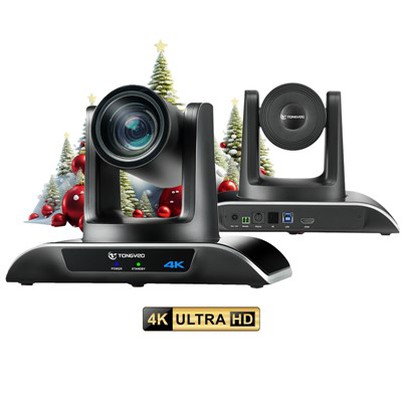
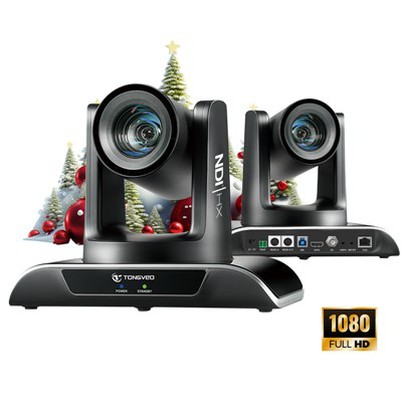
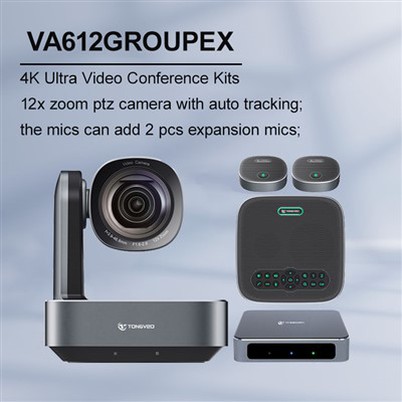
Our company offers a range of 1080p conference cameras, including the Large Conference Room Camera, which is ideal for large - scale meetings, and the Top ptz Conference Web Camera for Team Meeting, which is perfect for Microsoft Teams meetings. The High Quality Camera For Video Conferencing is another excellent option, providing exceptional video and audio performance.
Factors Affecting the Maximum Number of Connected Cameras
Bandwidth
One of the most critical factors in a multi - camera setup is bandwidth. Each 1080p camera requires a certain amount of bandwidth to transmit video and audio data. The exact bandwidth requirement depends on the frame rate and compression method used. For example, a 1080p camera running at 30 frames per second (fps) with H.264 compression typically requires around 4 - 8 Mbps of bandwidth.
If your network has limited bandwidth, connecting too many cameras will lead to buffering, lag, and poor video quality. Therefore, it's crucial to calculate the total bandwidth required by all the cameras and ensure that your network can support it. For instance, if your network has a total available bandwidth of 50 Mbps, and each camera requires 5 Mbps, you can theoretically connect up to 10 cameras. However, it's advisable to leave some headroom for other network traffic, so a more realistic number might be 7 - 8 cameras.
Processing Power
The processing power of the device or system that will handle the camera feeds is also a significant factor. Whether it's a computer, a video conferencing server, or a dedicated hardware encoder, it needs to be able to process the video and audio data from all the connected cameras in real - time.
A device with low processing power may struggle to handle multiple camera feeds simultaneously, resulting in dropped frames, distorted video, or even system crashes. When choosing a device for your multi - camera setup, consider its CPU, GPU, and memory specifications. High - end computers with multi - core processors and dedicated graphics cards are generally better suited for handling multiple 1080p camera feeds.
Software Limitations
The video conferencing software you use can also impose limitations on the number of cameras that can be connected. Some software applications have a predefined limit on the number of camera inputs they can support. For example, certain free versions of video conferencing software may only allow you to connect up to 2 or 3 cameras, while the paid versions may support more.
Before setting up a multi - camera system, check the documentation of your chosen video conferencing software to determine its camera input limitations. If necessary, consider upgrading to a more advanced version of the software or using a different software solution that can support the number of cameras you need.
Physical Connectivity
The physical connectivity options available on your devices also play a role in determining the maximum number of connected cameras. Most 1080p conference cameras connect to a computer or other devices via USB, HDMI, or Ethernet.
If your device has a limited number of available ports, you may need to use USB hubs or other connectivity solutions to connect additional cameras. However, it's important to note that using too many hubs or daisy - chaining devices can sometimes cause compatibility issues or signal degradation.
Calculating the Maximum Number of Cameras
To calculate the maximum number of cameras that can be connected in a multi - camera setup, you need to consider all the factors mentioned above. Here's a step - by - step guide:


- Determine your network bandwidth: Check your network's available bandwidth. You can use network monitoring tools to get an accurate measurement.
- Calculate the bandwidth per camera: Based on the frame rate and compression method of your cameras, estimate the bandwidth required per camera.
- Account for other network traffic: Subtract the bandwidth used by other network devices and applications from the total available bandwidth.
- Check the processing power: Ensure that your device or system has enough processing power to handle the expected number of camera feeds.
- Verify software limitations: Confirm that your video conferencing software can support the number of cameras you plan to connect.
- Assess physical connectivity: Make sure you have enough available ports or can use appropriate connectivity solutions to connect all the cameras.
For example, let's assume you have a network with 80 Mbps of available bandwidth, each camera requires 6 Mbps, your device has sufficient processing power, your video conferencing software supports up to 15 camera inputs, and you have enough physical ports. After leaving 20 Mbps for other network traffic, you have 60 Mbps available for the cameras. Dividing 60 Mbps by 6 Mbps per camera, you can connect up to 10 cameras.
Real - World Considerations
In real - world scenarios, there are other factors that may further limit the number of connected cameras. For example, the layout of the conference room can affect the effectiveness of a multi - camera setup. If the cameras are placed too close together or in areas with poor lighting, it may not be necessary or beneficial to connect a large number of cameras.
Additionally, the purpose of the video conference also matters. If it's a small team meeting where only a few participants need to be visible, there's no need to connect a large number of cameras. On the other hand, for a large - scale event or a training session where multiple angles and perspectives are required, a higher number of cameras may be justified.
Conclusion
Determining the maximum number of cameras that can be connected in a multi - camera setup using 1080p conference cameras is a complex process that involves considering multiple factors such as bandwidth, processing power, software limitations, and physical connectivity. By carefully evaluating these factors and making appropriate calculations, you can create a multi - camera setup that meets your specific needs and provides high - quality video conferencing experiences.
If you're interested in setting up a multi - camera system for your video conferencing needs, our team of experts is here to help. We can provide you with detailed advice on camera selection, network configuration, and system setup. Contact us today to start the procurement and consultation process.
References
- Cisco. (2023). Network Bandwidth Requirements for Video Conferencing. Cisco White Paper.
- Intel. (2023). Understanding Processing Power for Video Applications. Intel Technical Report.
- Zoom. (2023). Camera Input Limitations in Zoom Video Conferencing. Zoom Documentation.