What is the image sensor type of an IP PTZ camera?
Leave a message

As a supplier of IP PTZ cameras, I often encounter inquiries from customers about the image sensor types of these cameras. Understanding the different image sensor types is crucial for making informed decisions when choosing an IP PTZ camera that suits your specific needs. In this blog post, I will delve into the various image sensor types used in IP PTZ cameras, their characteristics, and how they impact the overall performance of the camera.
CCD (Charge-Coupled Device) Sensors
CCD sensors were among the first types of image sensors used in digital cameras, including IP PTZ cameras. They work by converting light into electrical charges, which are then transferred and read out to create an image. CCD sensors are known for their high image quality, excellent color accuracy, and low noise levels, especially in low-light conditions.
One of the key advantages of CCD sensors is their ability to produce sharp and detailed images. They have a large number of pixels, which allows for high-resolution imaging. Additionally, CCD sensors typically have a higher dynamic range compared to other sensor types, meaning they can capture a wider range of light intensities in a single image. This makes them ideal for applications where accurate color reproduction and high image quality are essential, such as in professional photography and videography.


However, CCD sensors also have some limitations. They tend to consume more power than other sensor types, which can result in higher operating costs and shorter battery life in portable devices. Additionally, CCD sensors are generally more expensive to manufacture, which can make cameras equipped with these sensors more costly.
CMOS (Complementary Metal-Oxide-Semiconductor) Sensors
CMOS sensors have become increasingly popular in recent years due to their lower cost, lower power consumption, and faster readout speeds compared to CCD sensors. They work by converting light into electrical charges using an array of photodiodes, which are then read out individually by transistors.
One of the main advantages of CMOS sensors is their low power consumption. This makes them ideal for use in battery-powered devices, such as IP PTZ cameras that are installed in remote locations or where power availability is limited. Additionally, CMOS sensors can be manufactured using standard semiconductor processes, which makes them more cost-effective to produce compared to CCD sensors.
CMOS sensors also offer faster readout speeds, which allows for higher frame rates and reduced motion blur in videos. This makes them well-suited for applications where capturing fast-moving objects is important, such as in sports events or surveillance.
However, CMOS sensors have traditionally had lower image quality compared to CCD sensors, especially in terms of noise levels and dynamic range. However, advancements in CMOS sensor technology have significantly improved their performance in recent years, and many modern CMOS sensors now offer image quality that is comparable to CCD sensors.
Comparison of CCD and CMOS Sensors
When choosing between a CCD and CMOS sensor for an IP PTZ camera, it is important to consider your specific requirements and budget. Here is a comparison of the key characteristics of CCD and CMOS sensors:
- Image Quality: CCD sensors generally offer higher image quality, especially in terms of color accuracy and low noise levels. However, modern CMOS sensors have made significant improvements in image quality and can now provide comparable results.
- Power Consumption: CMOS sensors consume less power than CCD sensors, making them more suitable for battery-powered devices or applications where power efficiency is important.
- Cost: CMOS sensors are generally less expensive to manufacture than CCD sensors, which can result in lower camera costs.
- Readout Speed: CMOS sensors offer faster readout speeds, allowing for higher frame rates and reduced motion blur in videos.
- Dynamic Range: CCD sensors typically have a higher dynamic range compared to CMOS sensors, which means they can capture a wider range of light intensities in a single image.
Other Image Sensor Types
In addition to CCD and CMOS sensors, there are other types of image sensors that are used in IP PTZ cameras, although they are less common. These include:
- Global Shutter Sensors: Global shutter sensors capture the entire image at once, rather than reading out the image line by line like traditional sensors. This eliminates the rolling shutter effect, which can cause distortion in fast-moving objects. Global shutter sensors are commonly used in high-speed imaging applications, such as in industrial inspection and scientific research.
- Back-Illuminated (BSI) Sensors: BSI sensors are a type of CMOS sensor that have the photodiodes placed on the back of the sensor, rather than on the front. This allows for more light to reach the photodiodes, resulting in improved low-light performance and higher sensitivity. BSI sensors are commonly used in smartphones and other consumer devices.
Choosing the Right Image Sensor for Your IP PTZ Camera
When choosing an IP PTZ camera, it is important to consider the specific requirements of your application and choose a camera with an image sensor that meets those requirements. Here are some factors to consider:
- Image Quality: If high image quality is your top priority, a camera with a CCD sensor or a high-quality CMOS sensor may be the best choice.
- Low-Light Performance: If you need to capture images in low-light conditions, a camera with a sensor that has good low-light performance, such as a BSI sensor or a CCD sensor, may be more suitable.
- Frame Rate: If you need to capture fast-moving objects, a camera with a sensor that offers high frame rates, such as a CMOS sensor, may be the best option.
- Cost: If cost is a major factor, a camera with a CMOS sensor may be more affordable compared to a camera with a CCD sensor.
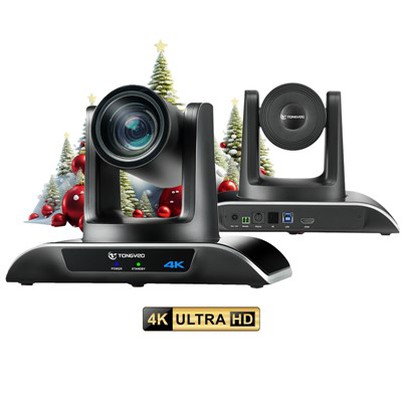
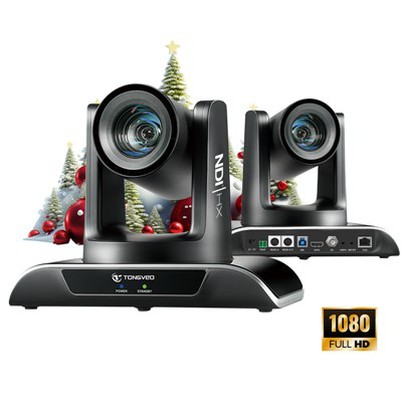
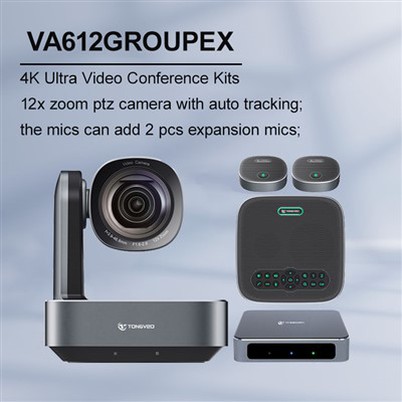
At our company, we offer a wide range of IP PTZ cameras with different image sensor types to meet the diverse needs of our customers. Our Wide Angle Conference Camera is equipped with a high-quality CMOS sensor that provides excellent image quality and low-light performance, making it ideal for video conferencing applications. Our High-Definition 30x Zoom HDMI SDI IP Conference Camera for Large Conference Rooms features a CCD sensor that offers high-resolution imaging and accurate color reproduction, making it suitable for large conference rooms. And our Wide Angle IP HDMI SDI USB PTZ Conference Room Camera is designed with a CMOS sensor that provides fast readout speeds and high frame rates, making it perfect for capturing fast-moving objects.
If you are interested in learning more about our IP PTZ cameras or have any questions about image sensor types, please feel free to contact us. Our team of experts will be happy to assist you in choosing the right camera for your specific needs. We look forward to the opportunity to work with you and help you find the perfect IP PTZ camera solution.
References
- "Image Sensor Basics." Imaging Resource.
- "CCD vs. CMOS Image Sensors." Photonics.com.
- "Global Shutter Sensors: How They Work and Why They Matter." Basler.
- "Back-Illuminated CMOS Image Sensors." Semiconductor Engineering.