What is the frequency stability of daisy chain microphones?
Leave a message

In the realm of audio technology, daisy chain microphones have emerged as a game - changer, especially for large - scale meetings, conferences, and live events. As a supplier of daisy chain microphones, I am often asked about the frequency stability of these remarkable devices. In this blog post, I will delve into the concept of frequency stability in daisy chain microphones, its importance, and how it impacts the overall audio quality.
Understanding Frequency Stability
Frequency stability refers to the ability of a microphone to maintain a consistent output across a wide range of frequencies over time. In other words, it is a measure of how well a microphone can reproduce the audio signal accurately without significant fluctuations in frequency response. For daisy chain microphones, which are often used in complex audio setups where multiple microphones are connected in series, frequency stability is of utmost importance.
The frequency response of a microphone is typically represented by a graph that shows how the microphone responds to different frequencies. A flat frequency response curve indicates that the microphone reproduces all frequencies equally, resulting in a natural and accurate sound. However, in real - world scenarios, achieving a perfectly flat frequency response is challenging, and some degree of variation is inevitable.
Factors Affecting Frequency Stability in Daisy Chain Microphones
Electrical Interference
One of the primary factors that can affect the frequency stability of daisy chain microphones is electrical interference. When multiple microphones are connected in a daisy chain, the electrical signals can interact with each other, causing interference and affecting the frequency response. For example, electromagnetic interference (EMI) from nearby electronic devices such as computers, monitors, and lighting fixtures can introduce unwanted noise and distort the audio signal.
To mitigate the effects of electrical interference, high - quality daisy chain microphones are often shielded to protect the internal components from external electromagnetic fields. Additionally, proper grounding and cable management techniques can help reduce the risk of interference.
Temperature and Humidity
Temperature and humidity can also have a significant impact on the frequency stability of daisy chain microphones. Changes in temperature can cause the materials inside the microphone to expand or contract, which can affect the performance of the microphone's components. Similarly, high humidity levels can lead to moisture buildup inside the microphone, which can cause corrosion and damage to the internal circuitry.
Most modern daisy chain microphones are designed to operate within a specific temperature and humidity range. It is important to ensure that the microphones are used in an environment that falls within these specifications to maintain optimal frequency stability.
Component Quality
The quality of the components used in the construction of daisy chain microphones plays a crucial role in determining their frequency stability. High - quality microphones use premium components such as precision - tuned capacitors, resistors, and amplifiers, which are designed to provide a stable and consistent performance over a wide range of frequencies.
In contrast, low - quality microphones may use cheaper components that are more prone to fluctuations in frequency response. As a supplier, I always recommend investing in high - quality daisy chain microphones to ensure the best possible audio quality and frequency stability.
Importance of Frequency Stability in Audio Applications
Clear and Accurate Communication
In conference settings, clear and accurate communication is essential. Frequency - stable daisy chain microphones ensure that every word spoken is captured and reproduced accurately, without any distortion or loss of clarity. This is particularly important in large - scale conferences where multiple speakers may be using the microphones simultaneously.
Professional Audio Recording
For professional audio recording, frequency stability is crucial for achieving a high - quality sound. Whether it's recording music, podcasts, or voice - overs, a microphone with a stable frequency response can capture the nuances and details of the audio signal, resulting in a more professional and polished recording.
Live Events
In live events such as concerts, theater performances, and sports events, frequency - stable daisy chain microphones are essential for providing a seamless audio experience for the audience. These microphones can handle the dynamic range of the audio signal, from soft whispers to loud shouts, without any significant fluctuations in frequency response.
Our USB Omnidirectional Conference Microphone
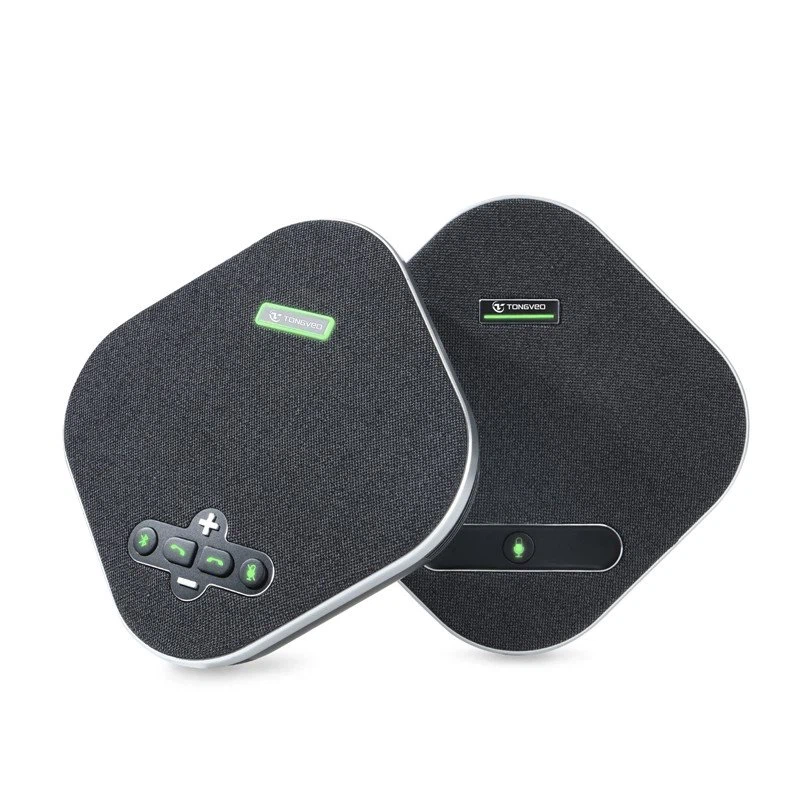
As a supplier of daisy chain microphones, we offer a wide range of products to meet the diverse needs of our customers. One of our flagship products is the USB Omnidirectional Conference Microphone. This microphone is designed to provide exceptional frequency stability, making it ideal for conference rooms, meeting halls, and other large - scale audio applications.
The USB Omnidirectional Conference Microphone features a wide frequency response range, ensuring that it can capture all frequencies accurately. It also uses advanced shielding technology to protect against electrical interference, and is built with high - quality components to ensure long - term reliability and performance.
Measuring Frequency Stability
There are several methods for measuring the frequency stability of daisy chain microphones. One common method is to use a spectrum analyzer, which can display the frequency response of the microphone in real - time. By analyzing the spectrum analyzer data, audio engineers can identify any fluctuations or anomalies in the frequency response and take appropriate measures to correct them.
Another method is to use a test signal generator to send a known frequency signal through the microphone and measure the output. By comparing the input and output signals, it is possible to determine the accuracy and stability of the microphone's frequency response.
Maintaining Frequency Stability
To maintain the frequency stability of daisy chain microphones, regular maintenance and calibration are essential. This includes cleaning the microphones regularly to remove any dust or debris that may accumulate on the components, and checking the cables and connectors for any signs of damage or wear.
Calibration is also important to ensure that the microphones are operating at their optimal performance. This can be done using specialized calibration equipment or by following the manufacturer's recommended calibration procedures.
Conclusion
Frequency stability is a critical factor in the performance of daisy chain microphones. It ensures clear and accurate audio reproduction, making these microphones ideal for a wide range of applications, from conferences and meetings to live events and professional audio recording. As a supplier of daisy chain microphones, we are committed to providing our customers with high - quality products that offer exceptional frequency stability.
If you are in the market for daisy chain microphones or have any questions about frequency stability, please feel free to contact us for more information. Our team of experts is always ready to assist you in finding the perfect audio solution for your needs.
References
- "Audio Engineering Handbook" by Glen Ballou
- "Microphone Technology and Applications" by Peter Mapp