What is the difference between wired and wireless video conference kits?
Leave a message

As a seasoned supplier of Video Conference Kits, I've witnessed firsthand the rapid evolution of communication technology. The choice between wired and wireless video conference kits is a critical decision for businesses and individuals alike. In this blog post, I'll delve into the differences between these two types of kits, exploring their pros and cons to help you make an informed choice.
1. Connection and Setup
The most obvious difference between wired and wireless video conference kits lies in their connection methods. Wired kits rely on physical cables to transmit data, audio, and video signals. This means that you need to have the appropriate cables on - hand and connect them correctly to various devices such as computers, monitors, and power sources.
Setting up a wired video conference kit can be time - consuming, especially in larger conference rooms. You may need to run cables through walls, under carpets, or along cable trays to ensure a clean and organized setup. However, once the cables are properly installed, the connection is generally stable and reliable. There is less risk of interference from other electronic devices or environmental factors.
On the other hand, wireless video conference kits use Wi - Fi, Bluetooth, or other wireless protocols to establish connections. This makes the setup process much faster and more flexible. You can simply place the devices in the desired locations and pair them wirelessly. Wireless kits are ideal for temporary setups, such as in meeting rooms that are used sporadically or for mobile workers who need to set up a video conference on the go.
However, wireless connections are more susceptible to interference. Other Wi - Fi networks, microwave ovens, and even large metal objects can disrupt the signal, leading to dropped calls, pixelated video, or poor audio quality. To mitigate these issues, you need to ensure that your wireless network is strong and secure.
2. Mobility and Flexibility
Wireless video conference kits offer superior mobility compared to their wired counterparts. Since there are no cables restricting the movement of the devices, you can easily move them around the room or even take them to different locations. This is particularly useful for businesses that have multiple meeting rooms or for teams that work remotely.
For example, a sales team can use a wireless video conference kit to conduct a presentation in a client's office without having to worry about finding the right cables or outlets. Wireless kits also allow for more flexible seating arrangements in conference rooms, as you can place the cameras and microphones wherever they are needed.
In contrast, wired video conference kits are more stationary. Once the cables are connected, it can be difficult to move the devices without disconnecting and reconnecting the cables. This limits the flexibility of the setup and may not be suitable for dynamic meeting environments.


3. Performance and Quality
When it comes to performance and quality, wired video conference kits generally have an edge. Wired connections can provide higher bandwidth, which means better video and audio quality. They can support higher resolutions, such as UHD 4K, and offer smoother video streaming without buffering or lag.
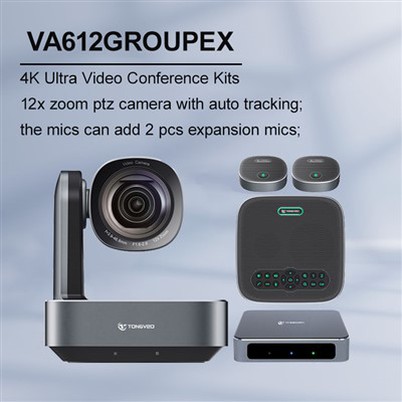
For example, our 12x zoom UHD 4K group video conferencing kits solutions that use wired connections can deliver crystal - clear images and sharp audio, making it feel like the participants are in the same room. Wired kits are also less likely to experience signal degradation over long distances, which is important for large conference rooms.
Wireless video conference kits have made significant progress in terms of performance, but they still face some limitations. The available bandwidth may be shared with other devices on the same network, which can affect the video and audio quality. In addition, wireless signals can be affected by environmental factors, as mentioned earlier, leading to inconsistent performance.
4. Security
Security is a major concern in video conferencing, especially for businesses that deal with sensitive information. Wired video conference kits are generally considered more secure because the data is transmitted through physical cables, which are harder to intercept compared to wireless signals.
However, this does not mean that wired kits are completely immune to security threats. You still need to ensure that your network is secure and that the devices are properly configured. For example, you should use encrypted cables and keep your software up - to - date to prevent unauthorized access.
Wireless video conference kits require additional security measures. You need to use strong passwords, enable encryption, and regularly update the firmware of the devices. Wireless networks can be vulnerable to hacking and eavesdropping, so it's important to take steps to protect your data.
5. Cost
The cost of wired and wireless video conference kits can vary depending on the features and specifications. Generally, wired kits are more affordable in the long run. Although the initial cost of purchasing the cables and installing the system may be higher, there are no ongoing subscription fees for wireless connectivity.
Wireless video conference kits may have a lower upfront cost, but they may require a reliable and high - speed wireless network, which can incur additional costs. Some wireless kits also rely on cloud - based services, which may require a monthly or annual subscription.
6. Compatibility
Both wired and wireless video conference kits need to be compatible with your existing devices and software. Wired kits are often more versatile in terms of compatibility because they can be connected to a wide range of devices using standard cables. For example, you can connect a wired video conference camera to a computer, a monitor, or a dedicated video conferencing system using HDMI, USB, or other cables.
Wireless kits need to be compatible with the wireless protocols used by your devices. For example, if your computer only supports Bluetooth 4.0, you need to make sure that the wireless video conference kit is also compatible with this protocol. Compatibility issues can lead to pairing problems and poor performance.
Conclusion
In conclusion, the choice between wired and wireless video conference kits depends on your specific needs and requirements. If you prioritize stability, performance, and security, and your setup is relatively stationary, a wired video conference kit may be the best option. On the other hand, if you need flexibility, mobility, and a quick setup, a wireless video conference kit is more suitable.
As a supplier of Video Conference Kits, we offer a wide range of products to meet your needs. Our Video Conference Camera Microphone and Speaker and Video Conferencing System Kit are available in both wired and wireless options, ensuring that you can find the perfect solution for your business.
If you're interested in learning more about our video conference kits or would like to discuss your specific requirements, please don't hesitate to reach out. We're here to help you make the right choice and provide you with the best possible communication solutions.
References
- "Video Conferencing Technology: A Comprehensive Guide", Tech Publications, 2023
- "Wireless Communication Protocols for Video Conferencing", Network Journal, 2022
- "Security Best Practices for Video Conferencing", Cyber Security Review, 2023