What is the difference between a regular webcam and a PC conference camera?
Leave a message

Hey there! As a supplier of PC conference cameras, I often get asked about the difference between a regular webcam and a PC conference camera. It might seem like they're pretty much the same thing at first glance, but trust me, there are some key differences that can make a huge impact on your conferencing experience. So, let's dive right in and explore what sets these two types of cameras apart.
Image Quality
One of the most noticeable differences between a regular webcam and a PC conference camera is the image quality. Regular webcams are usually designed for casual use, like chatting with friends and family on social media or video calling. They typically come with lower resolution and less advanced imaging technology. Most regular webcams offer a resolution of up to 720p or 1080p, which might be okay for basic video calls but can look grainy or pixelated in larger conference settings.
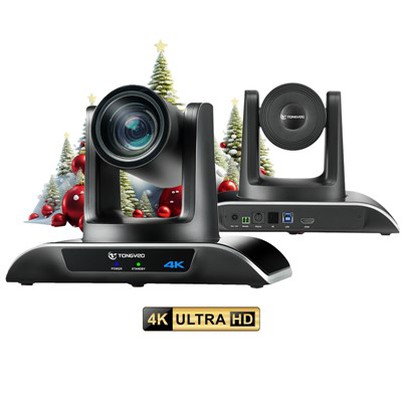
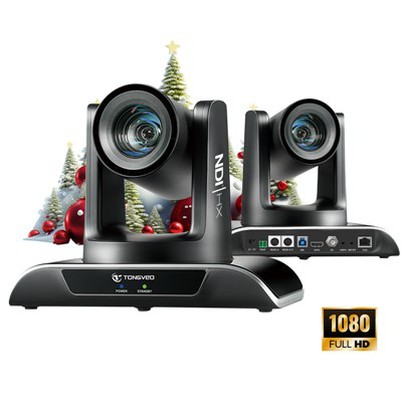
On the other hand, PC conference cameras are built for professional use. They're equipped with high - end sensors and lenses that can capture sharp, clear images even in large conference rooms. Many PC conference cameras support 4K resolution, which provides incredibly detailed and lifelike visuals. For instance, our Usb 2.0 1920x1080 Fhd Video Conference Camera offers full HD 1920x1080 resolution, ensuring that every participant can be seen clearly during the meeting.
Field of View
Another important factor to consider is the field of view (FOV). A regular webcam usually has a narrow field of view, often around 60 - 90 degrees. This means it can only capture a small area in front of it, which might be fine for an individual sitting at a desk, but it won't be sufficient for a group of people in a conference room.
PC conference cameras, however, are designed with a wider field of view. They can have FOVs ranging from 120 degrees to even 180 degrees. This wide angle allows the camera to capture an entire conference table or a large group of people without having to move the camera constantly. Our video tv camera for conference zoom meeting has a wide - angle lens that can cover a large area, ensuring that everyone in the room is visible during the meeting.
Zoom Functionality
Zoom is a crucial feature in conference settings. Regular webcams generally have limited or no zoom capabilities. If you try to zoom in on a webcam, the image usually becomes blurry and loses quality because the camera is just enlarging the pixels it's already captured.
PC conference cameras come with powerful zoom functions. They can offer optical zoom, which is much better than digital zoom. Optical zoom physically adjusts the lens to bring the subject closer without degrading the image quality. For example, our Conference Room Zoom Camera has an excellent optical zoom feature that allows you to focus on specific participants or details in the room without sacrificing image clarity.


Audio Capabilities
Audio is just as important as video in a conference call. Regular webcams usually have built - in microphones, but their audio quality is often mediocre at best. They might not be able to pick up voices clearly, especially in a large room with background noise.
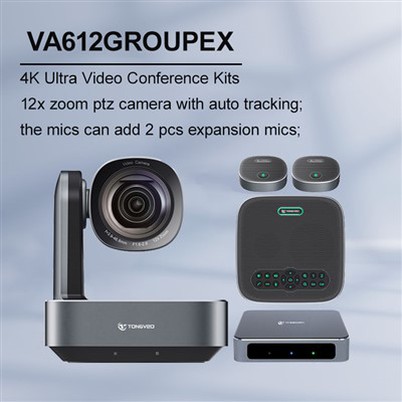
PC conference cameras are often paired with high - quality microphones or support external microphone connections. These microphones are designed to pick up voices from a distance and filter out background noise. Some PC conference cameras even have 360 - degree audio pickup, which means they can capture voices from all directions in the room. This ensures that every participant's voice is clear and audible during the conference.
Connectivity and Compatibility
Regular webcams are usually very easy to connect. They often plug directly into a computer's USB port and are compatible with most operating systems and video - conferencing software. However, they might not offer advanced connectivity options.
PC conference cameras, in addition to USB connectivity, may support other interfaces such as HDMI or Ethernet. This allows for more flexibility in connecting to different types of devices, including laptops, desktops, and smart TVs. They are also designed to be compatible with a wide range of video - conferencing platforms, such as Zoom, Microsoft Teams, and Google Meet.
Durability and Build Quality
Since regular webcams are mainly for personal use, they're often built with less durable materials. They're not designed to withstand the wear and tear of frequent use in a professional environment.
PC conference cameras are built to last. They're made with high - quality materials and are designed to be used in a variety of settings, from small meeting rooms to large conference halls. They can handle being moved around, adjusted, and used for long periods of time without breaking down.
Cost
Cost is always an important consideration. Regular webcams are generally much cheaper than PC conference cameras. You can find a decent regular webcam for as little as $20 - $50. This makes them a popular choice for individual users on a budget.
PC conference cameras, on the other hand, are more expensive because of their advanced features and higher build quality. The price can range from a few hundred dollars to over a thousand dollars, depending on the brand, features, and resolution. However, when you consider the benefits they offer in a professional conferencing environment, the investment is often worth it.
Which One Should You Choose?
If you're just using a camera for personal video calls with friends and family, a regular webcam will probably be sufficient. It's affordable, easy to use, and will give you a decent video - calling experience.
But if you're a business or an organization that conducts regular video conferences, a PC conference camera is a must - have. It offers better image and audio quality, wider field of view, powerful zoom capabilities, and more advanced connectivity options. These features will ensure that your conferences run smoothly and that all participants can communicate effectively.
Let's Chat!
If you're in the market for a PC conference camera and want to learn more about our products, or if you have any questions about the differences between regular webcams and PC conference cameras, don't hesitate to reach out. We're here to help you find the perfect camera for your needs.
References
- "Video Conferencing Technologies: A Comprehensive Guide", by Tech Publications
- "The Future of Webcams and Conference Cameras", Journal of Digital Communication