What is the aspect ratio of a PC conference camera?
Leave a message

When it comes to PC conference cameras, one of the most crucial yet often overlooked specifications is the aspect ratio. As a supplier of high - quality PC conference cameras, I've seen firsthand how the right aspect ratio can significantly enhance the video conferencing experience. In this blog, we'll delve into what aspect ratio is, why it matters for PC conference cameras, and how to choose the best one for your needs.


Understanding Aspect Ratio
Aspect ratio is defined as the proportional relationship between the width and the height of an image or video. It is typically expressed as two numbers separated by a colon, such as 16:9 or 4:3. For example, in a 16:9 aspect ratio, the width of the image is 16 units for every 9 units of height.
The concept of aspect ratio has its roots in the early days of film and television. Different industries and applications have adopted various aspect ratios over time. In the world of PC conference cameras, the choice of aspect ratio can have a profound impact on how the participants appear on screen and how the overall video content is presented.
Common Aspect Ratios in PC Conference Cameras
- 4:3 Aspect Ratio
The 4:3 aspect ratio is one of the oldest and most traditional ratios. It was widely used in early television sets and computer monitors. In a 4:3 aspect ratio, the image has a more square - like shape. While it may seem outdated in today's wide - screen dominated world, some PC conference cameras still offer this aspect ratio. It can be useful in certain scenarios where a more centered and compact view is desired. For example, if you are conducting a conference with a small group of people sitting closely together, a 4:3 aspect ratio can capture everyone in the frame without much empty space on the sides. - 16:9 Aspect Ratio
The 16:9 aspect ratio is the most common aspect ratio in modern PC conference cameras. It is the standard for high - definition television (HDTV) and most online video platforms. This widescreen format provides a more immersive viewing experience, allowing for a broader field of view. It is ideal for larger conference rooms or when you want to display multiple participants or visual aids side by side. With a 16:9 aspect ratio, the camera can capture a wider area, making it easier to include more people in the frame and show a more comprehensive view of the conference environment. - 21:9 Aspect Ratio
The 21:9 aspect ratio, also known as ultra - wide, is becoming increasingly popular in high - end PC conference cameras. This extremely wide format offers an even more expansive field of view, which is perfect for large conference halls or when you need to showcase a large amount of visual information. It can provide a cinematic feel to the video conference, making it more engaging for the participants. However, not all display devices support the 21:9 aspect ratio, so it's important to consider the compatibility with the monitors and projectors used in the conference setup.
Why Aspect Ratio Matters in PC Conference Cameras
- Visual Presentation
The aspect ratio directly affects how the video content is presented on the screen. A well - chosen aspect ratio can ensure that the participants are centered, properly framed, and the overall visual is balanced. For instance, if you use a 4:3 camera in a large conference room, the sides of the room may be cut off, leaving an unbalanced and incomplete view. On the other hand, a 16:9 or 21:9 aspect ratio can capture the entire room and all the participants, providing a more professional and comprehensive visual presentation. - Compatibility with Display Devices
It's essential to choose an aspect ratio that is compatible with the display devices used in the conference. Most modern monitors and projectors support the 16:9 aspect ratio, so a camera with this ratio will ensure seamless compatibility. If you use a camera with an aspect ratio that is not supported by the display, the image may be stretched, cropped, or have black bars on the sides, which can be distracting and reduce the quality of the video conference. - User Experience
The right aspect ratio can enhance the user experience for both the participants in the conference room and those joining remotely. A proper aspect ratio allows everyone to see the entire scene clearly, without any important details being cut off. It also makes it easier to follow the conversation and interact effectively during the conference. For example, in a video conference with multiple presenters and visual aids, a 16:9 or 21:9 aspect ratio can display all the information in a clear and organized manner, improving the overall user experience.
Choosing the Right Aspect Ratio for Your PC Conference Camera
- Consider the Conference Room Size
The size of the conference room is a crucial factor in determining the appropriate aspect ratio. For small conference rooms or huddle spaces, a 4:3 or 16:9 aspect ratio may be sufficient. However, for larger conference rooms or auditoriums, a 16:9 or 21:9 aspect ratio is recommended to capture the entire room and all the participants. For example, if you have a small office meeting room with a few people sitting around a table, a 4:3 aspect ratio camera can provide a clear and focused view. But if you are hosting a large - scale conference with many attendees and a stage, a 21:9 aspect ratio camera can offer a more comprehensive view. - Think About the Number of Participants
The number of participants in the conference also plays a role in choosing the aspect ratio. If you have a small group of 2 - 4 people, a 4:3 aspect ratio may be adequate. However, as the number of participants increases, a wider aspect ratio such as 16:9 or 21:9 becomes necessary to include everyone in the frame. For instance, in a video conference with 10 or more people, a 16:9 or 21:9 aspect ratio can ensure that all participants are visible and the conversation can flow smoothly. - Evaluate the Compatibility with Existing Equipment
Before choosing a PC conference camera, it's important to evaluate the compatibility with your existing equipment, including monitors, projectors, and video conferencing software. Make sure that the aspect ratio of the camera is supported by the display devices and that the software can handle the video output without any issues. For example, if you have a monitor that only supports the 16:9 aspect ratio, it's best to choose a camera with the same ratio to avoid any compatibility problems.
Our Product Range and Aspect Ratios
As a leading supplier of PC conference cameras, we offer a wide range of products with different aspect ratios to meet the diverse needs of our customers. Our huddle camera for video conferencing calls at home is available in both 4:3 and 16:9 aspect ratios, making it suitable for small - scale conferences and home office setups. The 4:3 option provides a more focused view, while the 16:9 option offers a wider field of view for a more comprehensive presentation.
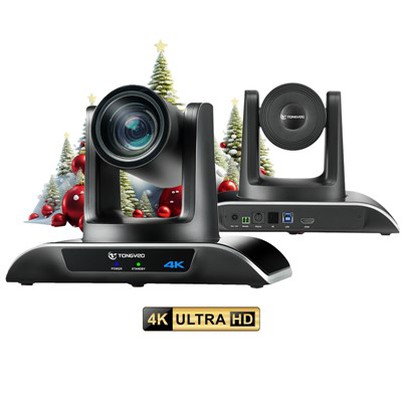
Our 4K AI Livestreaming PTZ Camera features a 16:9 aspect ratio, which is the standard for high - quality video conferencing. This camera is equipped with advanced AI technology, providing clear and sharp images with excellent color accuracy. The 16:9 aspect ratio ensures that the camera can capture a wide area, making it ideal for medium - to large - sized conference rooms.
For large - scale conferences and events, we offer the Conference Room Zoom Camera with a 21:9 aspect ratio. This ultra - wide camera can capture a vast area, including large stages and auditoriums, providing a cinematic and immersive viewing experience for the participants.
Conclusion
The aspect ratio of a PC conference camera is a critical factor that can significantly impact the quality and effectiveness of your video conferences. By understanding the different aspect ratios available, their benefits, and how to choose the right one for your specific needs, you can ensure that your video conferences are visually appealing, engaging, and professional.
If you are interested in our PC conference cameras and would like to discuss your specific requirements or place an order, we invite you to contact us. Our team of experts is ready to assist you in selecting the best camera with the appropriate aspect ratio for your conference setup.
References
- "Digital Video and HD: Fundamentals of MPEG 2" by Charles Van Damme.
- "The Art of Videography: Creating Cinematic Images" by Scott Billups.