What is the aspect ratio of a conference camera's video output?
Leave a message

The aspect ratio of a conference camera's video output is a crucial factor that significantly impacts the visual experience during virtual meetings. As a seasoned conference camera supplier, I've witnessed firsthand how the right aspect ratio can transform a mundane video call into an engaging and immersive interaction. In this blog, we'll delve into the concept of aspect ratio, its importance in conference cameras, and how to choose the best one for your needs.
Understanding Aspect Ratio
Aspect ratio is defined as the proportional relationship between the width and height of an image or video. It is typically expressed as two numbers separated by a colon, such as 16:9 or 4:3. For example, in a 16:9 aspect ratio, the width of the image is 16 units, while the height is 9 units. This ratio determines the shape of the video frame and how the content is displayed on the screen.
In the early days of television and video, the 4:3 aspect ratio was the standard. It was based on the dimensions of the cathode-ray tube (CRT) monitors used at the time. However, with the advent of high-definition television (HDTV) and widescreen displays, the 16:9 aspect ratio has become the industry norm. This wider format provides a more cinematic and immersive viewing experience, making it ideal for movies, TV shows, and video conferences.
Importance of Aspect Ratio in Conference Cameras
The aspect ratio of a conference camera's video output plays a vital role in several aspects of a virtual meeting:


1. Visual Compatibility
When participating in a video conference, it's essential to ensure that your camera's aspect ratio is compatible with the display devices used by other participants. If the aspect ratios don't match, the video may appear distorted or cropped, leading to a poor visual experience. For example, if you're using a 4:3 camera on a 16:9 display, the sides of the video will be cut off, resulting in a loss of valuable information.
2. Content Presentation
The right aspect ratio can enhance the presentation of content during a video conference. A wider aspect ratio, such as 16:9, allows for more horizontal space, making it easier to display slides, documents, and other visual aids. This can improve the clarity and effectiveness of your communication, especially when presenting to a large group.
3. Immersive Experience
A high-quality conference camera with the appropriate aspect ratio can create a more immersive experience for participants. It can make the virtual meeting feel more like an in-person interaction, reducing the sense of distance and isolation. This can lead to increased engagement, better collaboration, and more productive meetings.
Common Aspect Ratios in Conference Cameras
There are several aspect ratios commonly used in conference cameras, each with its own advantages and disadvantages:
1. 4:3 Aspect Ratio
The 4:3 aspect ratio is the traditional format used in older televisions and computer monitors. While it's less common today, some conference cameras still support this ratio. It provides a more square-shaped frame, which can be suitable for certain types of content, such as presentations with a lot of text or vertical images. However, it may not be the best choice for widescreen displays or when a more cinematic look is desired.
2. 16:9 Aspect Ratio
The 16:9 aspect ratio is the most widely used format in modern video conferencing. It offers a wide, cinematic look that is well-suited for widescreen displays and HD content. This ratio provides a good balance between width and height, allowing for a comfortable viewing experience without sacrificing too much vertical space. Most conference cameras today support the 16:9 aspect ratio as standard.
3. 21:9 Aspect Ratio
The 21:9 aspect ratio, also known as ultra-wide or cinematic widescreen, is a relatively new format that is gaining popularity in the entertainment industry. It provides an even wider field of view than the 16:9 ratio, creating a more immersive and cinematic experience. While not as common in conference cameras, some high-end models support this aspect ratio, making them ideal for large-scale presentations and virtual events.
Choosing the Right Aspect Ratio for Your Needs
When choosing a conference camera, it's important to consider your specific needs and the requirements of your video conferencing setup. Here are some factors to keep in mind:
1. Display Devices
Consider the aspect ratio of the display devices used by you and other participants. If most of the displays are widescreen, a 16:9 or 21:9 aspect ratio camera would be a good choice. However, if you have some older monitors or devices that only support the 4:3 ratio, you may want to consider a camera that offers both options.
2. Content Type
Think about the type of content you'll be presenting during your video conferences. If you'll be showing a lot of horizontal content, such as slides or videos, a wider aspect ratio like 16:9 or 21:9 would be more suitable. On the other hand, if your content consists mainly of vertical images or text, a 4:3 aspect ratio camera may be a better fit.
3. Budget
The aspect ratio of a conference camera can also affect its price. Generally, cameras with wider aspect ratios tend to be more expensive than those with standard 4:3 or 16:9 ratios. Consider your budget and determine how much you're willing to spend on a camera with the desired aspect ratio.
Our Conference Camera Offerings
As a leading conference camera supplier, we offer a wide range of cameras with different aspect ratios to meet the diverse needs of our customers. Our cameras are designed to provide high-quality video output, excellent image clarity, and reliable performance. Here are some of our popular products:
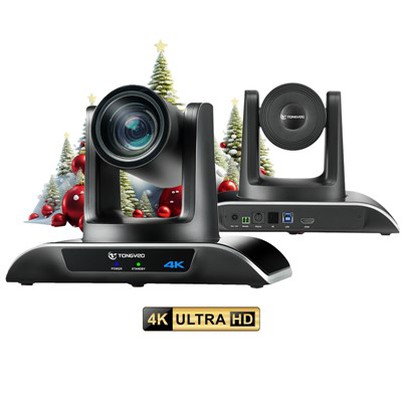
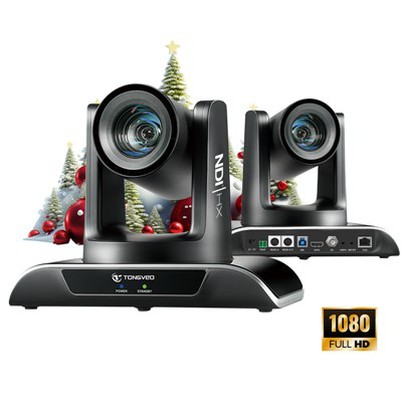
- 1080p HD Camera for Video Conference: This camera features a 16:9 aspect ratio and delivers sharp, clear video at 1080p resolution. It's easy to set up and use, making it a great choice for small to medium-sized meetings.
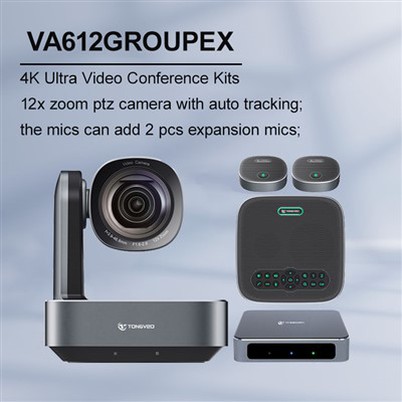
- auto tracking cameras for zoom conference meeting: Our auto-tracking cameras are equipped with advanced technology that can automatically follow the speaker's movements. They support a 16:9 aspect ratio and offer high-definition video quality, ensuring a seamless and engaging meeting experience.
- Affordable PTZ Remote Control Video Camera for Church: This PTZ (pan-tilt-zoom) camera is designed for live streaming and video conferencing in churches and other religious institutions. It offers a 16:9 aspect ratio and can be controlled remotely, allowing you to adjust the camera's position and focus as needed.
Conclusion
The aspect ratio of a conference camera's video output is an important consideration when choosing a camera for your virtual meetings. It can affect the visual compatibility, content presentation, and overall immersive experience of your video conferences. By understanding the different aspect ratios available and choosing the one that best suits your needs, you can ensure that your meetings are productive, engaging, and successful.
If you're interested in learning more about our conference cameras or have any questions about aspect ratios, please don't hesitate to [contact us](contact page link). Our team of experts is here to help you find the perfect camera for your specific requirements. We look forward to working with you to enhance your video conferencing experience.
References
- "Aspect Ratio Explained." TechTerms. Accessed [date].
- "The Importance of Aspect Ratio in Video Conferencing." Video Conferencing Tips. Accessed [date].
- "Choosing the Right Aspect Ratio for Your Conference Camera." Conference Camera Guide. Accessed [date].