What are the storage requirements for daisy chain microphones?
Leave a message

As a trusted supplier of Daisy Chain Microphones, I understand the importance of proper storage for these high - end audio devices. Daisy chain microphones are a popular choice in various professional settings, including conference rooms, recording studios, and live events. Their ability to connect multiple microphones in a series simplifies the setup process and provides excellent audio quality. However, to ensure their longevity and optimal performance, it's crucial to adhere to specific storage requirements.
Temperature and Humidity
One of the primary factors affecting the storage of daisy chain microphones is the environment's temperature and humidity. Microphones are sensitive electronic devices, and extreme temperatures and humidity levels can cause significant damage.
For temperature, it's recommended to store daisy chain microphones in an environment where the temperature ranges between 10°C and 30°C (50°F - 86°F). Temperatures below 10°C can cause the internal components to contract, potentially leading to loose connections or cracked circuit boards. On the other hand, temperatures above 30°C can cause overheating, which may damage the microphone's diaphragm and other sensitive parts.
Humidity is equally important. The ideal relative humidity for storing daisy chain microphones is between 40% and 60%. High humidity can lead to condensation inside the microphone, which can corrode the internal components and cause short - circuits. Low humidity, on the other hand, can cause the microphone's diaphragm to dry out and become brittle, affecting its sound quality.
Protection from Physical Damage
Daisy chain microphones are delicate instruments that can be easily damaged by physical impact. When storing them, it's essential to provide adequate protection. This can be achieved by using a dedicated microphone case or storage rack.
A high - quality microphone case offers shock - absorbing padding that can protect the microphone from bumps and falls. It also helps to keep the microphone clean and free from dust. When choosing a case, make sure it's the right size for your daisy chain microphone and has compartments to hold all the necessary accessories, such as cables and adapters.
If you prefer to use a storage rack, ensure that it's sturdy and has proper support for the microphones. The rack should have soft padding on the contact points to prevent scratches on the microphone's body. Additionally, make sure the rack is placed in a stable location where it won't be accidentally knocked over.
Avoiding Exposure to Dust and Dirt
Dust and dirt can accumulate inside the microphone, affecting its performance. To prevent this, store the daisy chain microphones in a clean environment. If possible, keep them in a sealed container or a dust - free cabinet.
Regularly clean the microphones before storing them. Use a soft, dry cloth to wipe the exterior of the microphone, removing any dirt or fingerprints. For the microphone grille, you can use a small brush to gently remove any dust particles. Avoid using harsh chemicals or abrasive materials, as these can damage the microphone's finish.
Cable Management
Daisy chain microphones rely on cables to connect multiple units together. Proper cable management is essential for both storage and future use. When storing the microphones, make sure to neatly coil the cables. Avoid kinking or bending the cables too tightly, as this can damage the internal wires and affect the audio signal.
You can use cable ties or Velcro straps to keep the cables organized. Label the cables if you have multiple microphones connected in a daisy chain, making it easier to set up the system later. Additionally, store the cables in a separate compartment or bag to prevent them from getting tangled with other items.
Power Considerations
When storing daisy chain microphones, it's important to consider their power requirements. If the microphones are battery - powered, remove the batteries before storage. Batteries can leak over time, causing damage to the microphone's internal components. If the microphones are powered via USB or other external power sources, unplug them from the power supply to prevent any electrical issues.
Compatibility with Accessories
Daisy chain microphones often come with various accessories, such as stands, shock mounts, and windshields. When storing the microphones, make sure to store these accessories together. This not only keeps everything organized but also ensures that all the necessary components are readily available when you need to use the microphones.
Storage for Long - Term Use
If you plan to store the daisy chain microphones for an extended period, additional precautions may be necessary. For example, you can place a desiccant packet inside the storage case to absorb any moisture. Also, consider periodically checking the microphones during long - term storage to ensure that they are still in good condition.
Our Offerings: USB Omnidirectional Conference Microphone
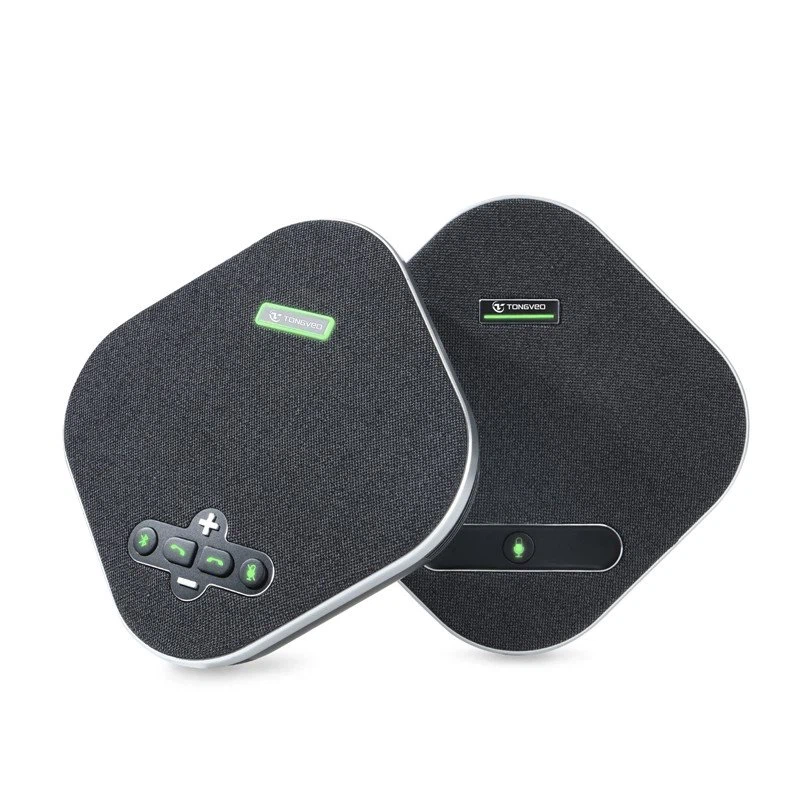
As a supplier, we offer a wide range of daisy chain microphones, including the USB Omnidirectional Conference Microphone. This microphone is designed for high - quality audio capture in conference settings. It features an omnidirectional pickup pattern, which means it can capture sound from all directions, making it ideal for large conference rooms.
The USB connectivity of this microphone simplifies the setup process, allowing you to easily connect it to your computer or other audio devices. It also supports daisy - chaining, enabling you to connect multiple microphones together for enhanced audio coverage.
Contact Us for Purchase and Consultation
If you are interested in purchasing daisy chain microphones or need more information about their storage and usage, we are here to help. Our team of experts can provide you with detailed advice on choosing the right microphones for your specific needs and ensuring their proper storage. Whether you are setting up a new conference room, a recording studio, or a live event, we have the solutions you need.
References
- "Microphone Handbook" by Günter Krause
- "Audio Engineering Society Standards and Recommended Practices"