Is it possible to use multiple PC conference cameras in one meeting?
Leave a message

In the era of digital communication, video conferencing has become an integral part of both business and personal interactions. As a PC conference camera supplier, I often encounter questions from clients about the feasibility of using multiple PC conference cameras in a single meeting. This blog post aims to explore this topic in depth, discussing the technical possibilities, benefits, challenges, and practical considerations.
Technical Feasibility
From a technical perspective, it is entirely possible to use multiple PC conference cameras in one meeting. Most modern operating systems, such as Windows, macOS, and Linux, support multiple camera inputs. This means that you can connect multiple cameras to your computer simultaneously and use them within a video conferencing application.
For example, popular video conferencing platforms like Zoom, Microsoft Teams, and Google Meet allow users to select different camera sources. You can switch between cameras during a meeting or even use multiple cameras at the same time to capture different angles or areas.
However, it's important to note that the number of cameras you can use may be limited by your computer's hardware capabilities. Your computer needs to have enough USB ports or other connection interfaces to support multiple cameras. Additionally, the processing power of your computer needs to be sufficient to handle the video streams from multiple cameras without causing lag or performance issues.
Benefits of Using Multiple PC Conference Cameras
Enhanced Visual Coverage
One of the primary benefits of using multiple cameras is the ability to capture a wider area or different perspectives. In a large meeting room, a single camera may not be able to cover the entire space effectively. By using multiple cameras, you can ensure that all participants are visible, regardless of their location in the room.
For instance, you can place one camera at the front of the room to capture the speaker, and another camera at the back to capture the audience. This provides a more comprehensive view of the meeting and makes it easier for remote participants to follow the discussion.
Improved Flexibility
Multiple cameras also offer greater flexibility in terms of camera angles and framing. You can adjust each camera independently to focus on specific individuals or areas of interest. This is particularly useful in meetings where there are multiple presenters or where different topics are being discussed in different parts of the room.
For example, if you have a panel discussion, you can use one camera for each panelist to ensure that each person is clearly visible. You can then switch between cameras during the discussion to highlight different speakers.
High - Quality Video
Using multiple high - quality cameras can result in better overall video quality. You can choose cameras with different features, such as high resolution, wide angle lenses, or low - light performance, to suit different lighting conditions and requirements.
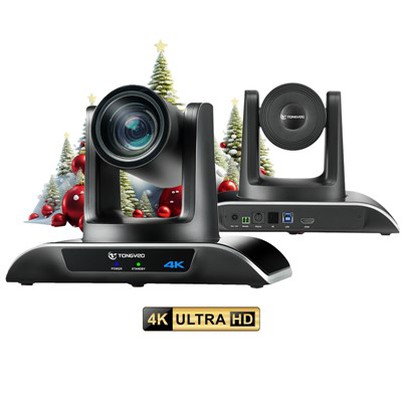
For example, our USB HD PTZ Video Conference Camera offers high - definition video, pan - tilt - zoom functionality, and excellent low - light performance. By using multiple such cameras, you can ensure that your meeting video is clear, sharp, and professional.
Challenges of Using Multiple PC Conference Cameras
Setup and Configuration
Setting up multiple cameras can be more complex than using a single camera. You need to ensure that each camera is properly connected to your computer and configured within the video conferencing application. This may involve adjusting camera settings such as focus, exposure, and white balance for each camera.


Additionally, you need to consider the placement of the cameras to ensure that they cover the desired areas without overlapping or causing visual interference. This may require some experimentation and adjustment to get the optimal setup.
Bandwidth Requirements
Each camera generates a video stream, and using multiple cameras can significantly increase the bandwidth requirements of your meeting. If your internet connection is not fast enough, you may experience buffering, lag, or poor video quality.
To address this issue, you need to ensure that your network infrastructure can support the additional bandwidth. You may also need to optimize your video conferencing settings, such as reducing the video resolution or frame rate, to reduce the bandwidth usage.
Cost
Using multiple cameras can be more expensive than using a single camera. You need to purchase multiple cameras, as well as any additional equipment such as cables and mounts. Additionally, you may need to invest in a more powerful computer to handle the video streams from multiple cameras.
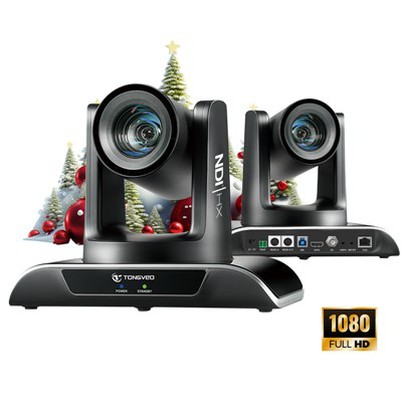
However, the cost can be justified by the benefits, especially in large meetings or professional settings where high - quality video is essential. For example, our Affordable PTZ Remote Control Video Camera for Church offers a cost - effective solution for those who need multiple cameras for large - scale events or meetings.
Practical Considerations
Compatibility
When choosing multiple cameras, it's important to ensure that they are compatible with each other and with your video conferencing application. Different cameras may have different drivers and software requirements, so you need to make sure that they can work together seamlessly.
Most modern cameras are designed to be plug - and - play, which means they can be easily connected to your computer and recognized by your operating system. However, it's still a good idea to check the compatibility of the cameras before making a purchase.
Training
If you are using multiple cameras in a meeting, it's important to train your participants on how to use them effectively. They need to know how to switch between cameras, adjust camera settings, and use any additional features such as pan - tilt - zoom.
Providing training and clear instructions can help ensure that your meetings run smoothly and that all participants can take advantage of the benefits of using multiple cameras.
Conclusion
In conclusion, it is definitely possible to use multiple PC conference cameras in one meeting, and there are many benefits to doing so. However, it also comes with some challenges and practical considerations that need to be addressed.
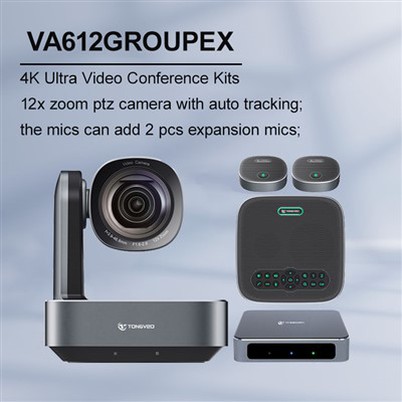
As a PC conference camera supplier, we offer a wide range of high - quality cameras that are suitable for use in multiple - camera setups. Our video tv camera for conference zoom meeting is designed to provide excellent video quality and compatibility with popular video conferencing platforms.
If you are interested in using multiple PC conference cameras in your meetings, we would be happy to discuss your specific requirements and provide you with a customized solution. Contact us today to start the procurement and negotiation process, and let us help you take your video conferencing experience to the next level.
References
- "Video Conferencing Best Practices", TechTarget
- "Multiple Camera Setup for Video Conferencing", Cisco Systems