Is a 1080p conference camera affected by electromagnetic interference?
Leave a message

As a supplier of 1080p conference cameras, I've encountered numerous inquiries from clients regarding the susceptibility of these cameras to electromagnetic interference (EMI). In this blog post, I'll delve into the science behind EMI, explore how it can impact 1080p conference cameras, and discuss strategies to mitigate its effects.
Understanding Electromagnetic Interference
Electromagnetic interference refers to the disruption of an electronic device's normal operation caused by electromagnetic radiation. This radiation can originate from a variety of sources, including power lines, electrical appliances, wireless devices, and even natural phenomena such as lightning. EMI can manifest in different forms, such as radio frequency interference (RFI) and electromagnetic pulse (EMP).
RFI occurs when an electronic device emits or receives radio frequency signals that interfere with the operation of other devices. This can result in distorted audio or video signals, dropped connections, or even complete device failure. EMP, on the other hand, is a sudden burst of electromagnetic energy that can cause severe damage to electronic devices. EMPs can be generated by nuclear explosions, lightning strikes, or high-power radio transmitters.
How EMI Affects 1080p Conference Cameras
1080p conference cameras are highly sensitive electronic devices that rely on precise electrical signals to capture and transmit high-quality video. EMI can disrupt these signals, leading to a range of issues that can degrade the performance of the camera.
One of the most common effects of EMI on 1080p conference cameras is video distortion. EMI can cause the video signal to become noisy, pixelated, or blurred, making it difficult to see the participants clearly. This can be particularly problematic in a conference setting, where clear communication is essential.
Another issue that can arise from EMI is audio interference. EMI can disrupt the audio signal, causing it to become distorted, crackly, or full of static. This can make it difficult for participants to hear each other clearly, leading to misunderstandings and communication breakdowns.


In addition to video and audio distortion, EMI can also cause connectivity issues. EMI can interfere with the wireless signals used by the camera to connect to the network, resulting in dropped connections or slow data transfer speeds. This can make it difficult to conduct a smooth and seamless video conference.
Factors That Increase Susceptibility to EMI
Several factors can increase the susceptibility of 1080p conference cameras to EMI. These include:
- Proximity to EMI Sources: The closer the camera is to an EMI source, the more likely it is to be affected by interference. For example, placing the camera near a microwave oven, a Wi-Fi router, or a power strip can increase the risk of EMI.
- Quality of the Camera's Shielding: The quality of the camera's shielding can also affect its susceptibility to EMI. Cameras with poor shielding are more likely to be affected by interference than those with high-quality shielding.
- Environmental Conditions: The environmental conditions in which the camera is used can also play a role in its susceptibility to EMI. For example, using the camera in a noisy industrial environment or near a high-voltage power line can increase the risk of EMI.
Strategies to Mitigate EMI
Fortunately, there are several strategies that can be used to mitigate the effects of EMI on 1080p conference cameras. These include:
- Use Shielded Cables: Using shielded cables can help to reduce the amount of EMI that reaches the camera. Shielded cables are designed to block electromagnetic radiation, preventing it from interfering with the electrical signals in the cable.
- Keep the Camera Away from EMI Sources: As mentioned earlier, keeping the camera away from EMI sources can help to reduce the risk of interference. This can be achieved by placing the camera in a location that is far away from microwave ovens, Wi-Fi routers, and other EMI sources.
- Use EMI Filters: EMI filters can be used to reduce the amount of EMI that reaches the camera. EMI filters are designed to block electromagnetic radiation, preventing it from interfering with the electrical signals in the camera.
- Choose a Camera with High-Quality Shielding: When choosing a 1080p conference camera, it's important to choose one with high-quality shielding. Cameras with high-quality shielding are less likely to be affected by EMI than those with poor shielding.
Our 1080p Conference Cameras
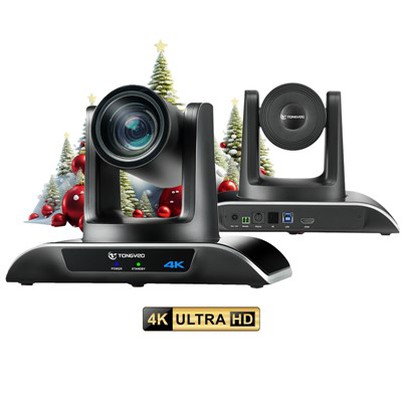
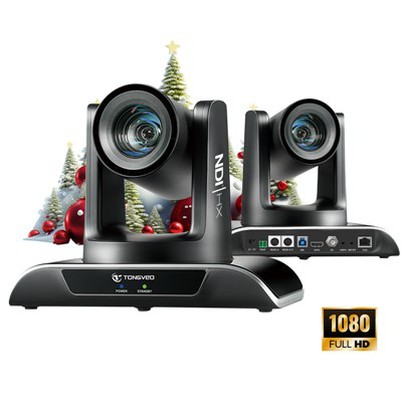
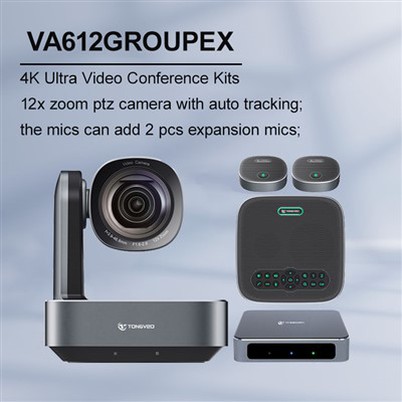
At our company, we offer a range of Professional Video Conferencing Camera that are designed to provide high-quality video and audio performance in even the most challenging environments. Our cameras are equipped with advanced shielding technology and EMI filters to minimize the effects of electromagnetic interference.
In addition to our standard 1080p conference cameras, we also offer ptz 1080p hd camera systems for churches streaming and Fhd 1920x1080 Video Camera that are specifically designed for use in churches and other religious institutions. These cameras are equipped with features such as pan, tilt, and zoom capabilities, as well as high-resolution video and audio recording.
Conclusion
In conclusion, while 1080p conference cameras can be affected by electromagnetic interference, there are several strategies that can be used to mitigate its effects. By using shielded cables, keeping the camera away from EMI sources, using EMI filters, and choosing a camera with high-quality shielding, you can ensure that your 1080p conference camera provides high-quality video and audio performance in even the most challenging environments.
If you're interested in learning more about our 1080p conference cameras or would like to discuss your specific needs, please don't hesitate to contact us. We'd be happy to help you find the perfect camera for your needs.
References
- Electromagnetic Compatibility Engineering, Henry W. Ott
- Electromagnetic Interference and Compatibility, Clayton R. Paul