How to use a conference camera for live events?
Leave a message

Hey there! As a conference camera supplier, I've seen firsthand how crucial it is to have the right gear for live events. Whether you're hosting a corporate meeting, a virtual seminar, or a live stream concert, a good conference camera can make all the difference. In this blog post, I'll share some tips on how to use a conference camera for live events.
Choosing the Right Conference Camera
The first step in using a conference camera for live events is choosing the right one. There are several factors to consider when making your selection:
-
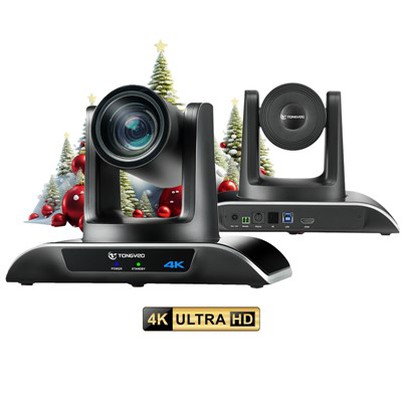
Resolution: The higher the resolution, the clearer the image. For live events, I recommend a camera with at least 1080p resolution. Some of our cameras even offer 4K resolution for stunningly sharp images.
-
Field of View (FOV): This determines how much of the scene the camera can capture. A wider FOV is great for large rooms or events where you need to show multiple people or a large area. Our Pan Tilt USB PTZ Camera for Video Zoom Conferencing has an adjustable FOV, allowing you to customize the view according to your needs.
-
Zoom: Zoom functionality is essential for getting a closer look at specific details or individuals. Look for a camera with optical zoom, as it provides better image quality than digital zoom.
-
Low - Light Performance: Live events can sometimes take place in less - than - ideal lighting conditions. A camera with good low - light performance will ensure that your footage remains clear and well - lit.
-
Connectivity: Make sure the camera is compatible with your existing equipment. Most conference cameras offer USB connectivity, which is easy to set up and works well with laptops and desktop computers. Our USB Fixed Video Conference Camera is a great option for those looking for a simple and reliable USB - connected camera.
Setting Up the Conference Camera
Once you've chosen the right camera, it's time to set it up. Here are some steps to follow:
- Choose the Right Location: Place the camera in a position where it can capture the entire scene or the most important parts of the event. For a presentation, it might be best to position the camera in front of the speaker. If it's a group discussion, place it in a central location.
- Mount the Camera: If your camera comes with a mounting bracket, use it to secure the camera in place. This will prevent it from moving during the event. You can mount it on a tripod, a wall, or a ceiling, depending on your setup.
- Connect the Camera: Connect the camera to your computer or video conferencing system using the appropriate cable. Most USB - connected cameras are plug - and - play, which means they'll be recognized by your computer automatically.
- Adjust the Settings: Use the camera's software or the settings on your video conferencing platform to adjust the camera settings. You can adjust the focus, exposure, white balance, and other parameters to get the best image quality.
Testing the Camera
Before the live event starts, it's crucial to test the camera. Here's what you can do:
- Check the Image Quality: Make sure the image is clear, well - lit, and in focus. Walk around the area that the camera will cover to ensure that it can capture all the necessary details.
- Test the Audio: If your camera has built - in audio or if you're using an external microphone, test the audio quality. Speak into the microphone and listen for any background noise, distortion, or volume issues.
- Test the Zoom and Pan/Tilt (if applicable): If your camera has zoom or pan/tilt functionality, test it to make sure it works smoothly. Try zooming in and out and moving the camera to different angles.
Using the Camera During the Live Event
During the live event, there are some things you can do to make the most of your conference camera:
- Monitor the Feed: Keep an eye on the camera feed on your computer or monitor. This will allow you to quickly spot any issues, such as a change in lighting or a person blocking the view, and make adjustments as needed.
- Use the Zoom and Pan/Tilt Functions: If your camera has these features, use them to highlight important moments or individuals. For example, you can zoom in on a speaker's face during a key point in their presentation.
- Adjust the Settings for Different Scenes: If the lighting or the scene changes during the event, adjust the camera settings accordingly. You may need to increase the exposure in a darker area or adjust the white balance if the lighting source changes.
Handling Multiple Cameras (Optional)
For larger live events, you may want to use multiple cameras to capture different angles or areas. Here's how you can manage multiple cameras:
- Synchronize the Cameras: Make sure all the cameras are set to the same time and date. This will ensure that the footage from different cameras can be easily combined later if needed.
- Assign a Camera Operator to Each Camera: If possible, have a dedicated person operating each camera. This will allow for more precise control and quick adjustments during the event.
- Use a Video Switcher: A video switcher allows you to switch between different camera feeds in real - time. This is useful for creating a more dynamic and engaging live event.
Post - Event Considerations
After the live event is over, there are a few things you can do:


- Save the Footage: Make sure to save the footage from the camera. You can use it for future reference, to create highlights, or to share with those who couldn't attend the event.
- Clean and Store the Camera: Clean the camera lens and body to keep it in good condition. Store it in a safe place, preferably in its original case.
Conclusion
Using a conference camera for live events can be a great way to enhance the experience for both the participants and the viewers. By choosing the right camera, setting it up correctly, testing it thoroughly, and using it effectively during the event, you can ensure that your live event looks and sounds great.
If you're in the market for a high - quality conference camera for your live events, we've got a range of options to suit your needs. Our Conference Large Room Skype Camera is perfect for large - scale events, while our USB - connected cameras are great for smaller setups.
If you have any questions or are interested in purchasing a conference camera, feel free to reach out to us. We're here to help you find the best solution for your live event needs.
References
- General knowledge and experience in the conference camera industry.
- Product manuals and specifications of our conference cameras.