How to update the firmware of a 4K USB webcam?
Leave a message

As a supplier of 4K USB webcams, I understand the importance of keeping your device's firmware up - to - date. Firmware is the software that runs on your webcam, and updating it can bring a host of benefits, including improved performance, new features, and enhanced security. In this blog post, I'll guide you through the process of updating the firmware of a 4K USB webcam.
Why Update the Firmware?
Before we dive into the update process, let's understand why firmware updates are crucial. Firstly, manufacturers constantly work on improving the performance of their webcams. An updated firmware can optimize the image quality, reduce latency, and enhance the overall stability of the device. For instance, it might improve the autofocus speed, making your video calls or recordings smoother and more professional.
Secondly, firmware updates often introduce new features. You could get access to advanced settings, such as custom color profiles or improved low - light performance. These new features can greatly enhance your user experience, whether you're using the webcam for Webcam with speaker microphone for 4K all - in - one video remotely teaching and online courses, live streaming, or video conferencing.
Lastly, security is a major concern. Outdated firmware can have vulnerabilities that hackers could exploit. By regularly updating the firmware, you ensure that your webcam is protected against the latest security threats, safeguarding your privacy and data.
Prerequisites
Before you start the firmware update process, there are a few things you need to do:
- Check the Compatibility: Make sure that the firmware update is compatible with your specific 4K USB webcam model. You can usually find this information on the manufacturer's website. Look for the product support section and search for your webcam model. There, you'll find details about the available firmware updates and which ones are suitable for your device.
- Backup Your Data: Although firmware updates typically don't affect your personal data, it's always a good practice to back up any important files or settings. This way, you can avoid any potential data loss in case something goes wrong during the update process.
- Charge Your Device (if applicable): If your webcam has a battery, make sure it's fully charged or connected to a power source. A sudden power outage during the firmware update can cause serious problems and may even render your webcam inoperable.
- Check Your Internet Connection: A stable internet connection is essential for downloading the firmware update. A slow or interrupted connection can lead to incomplete downloads, which may cause issues during the installation.
Step - by - Step Guide to Update the Firmware
Step 1: Identify Your Webcam Model
The first step is to find out the exact model of your 4K USB webcam. This information is usually printed on the device itself or in the user manual. You can also check the device manager on your computer. On Windows, you can access the device manager by right - clicking on the Start button and selecting "Device Manager". Under the "Imaging devices" or "Cameras" section, you'll see the name of your webcam.
Step 2: Visit the Manufacturer's Website
Once you've identified your webcam model, go to the manufacturer's official website. Navigate to the product support or downloads section. Here, you'll find a list of available firmware updates for different webcam models. Use the search function to find the firmware update for your specific model.
Step 3: Download the Firmware Update
After locating the correct firmware update, click on the download link. The file size of the firmware update can vary depending on the changes included. Make sure to save the downloaded file in a location where you can easily find it, such as your desktop or a dedicated downloads folder.
Step 4: Prepare Your Webcam
Before installing the firmware update, disconnect your webcam from your computer if it's currently connected. This ensures that the update process starts with a clean slate.
Step 5: Install the Firmware Update
There are two common methods to install the firmware update:
Using the Manufacturer's Software
Some manufacturers provide a dedicated software application for firmware updates. If this is the case for your webcam, install the software on your computer. Launch the software and follow the on - screen instructions. Usually, you'll need to select the downloaded firmware file and click "Install". The software will then guide you through the rest of the process, which may involve connecting your webcam to the computer at a specific stage.
Manual Installation
If there's no dedicated software, you can often perform a manual installation. First, extract the contents of the downloaded firmware file if it's in a compressed format (e.g., ZIP). Then, follow the instructions provided in the firmware update package. This may involve copying certain files to a specific location on your computer or using a command - line interface.
Step 6: Wait for the Update to Complete
Once you've started the installation process, be patient and let the update complete. This can take anywhere from a few minutes to half an hour, depending on the complexity of the update and the speed of your computer. Do not disconnect your webcam or turn off your computer during this time.
Step 7: Verify the Update
After the installation is finished, reconnect your webcam to your computer. Check if the webcam is working properly and if the new features or improvements are visible. You can also check the firmware version on the webcam's settings or in the device manager to confirm that the update was successful.
Troubleshooting
Sometimes, things may not go as smoothly as planned during the firmware update process. Here are some common issues and how to solve them:
Update Failed: If the firmware update fails, check your internet connection and make sure that the downloaded file is not corrupted. You can try downloading the update again and restarting the installation process. If the problem persists, contact the manufacturer's customer support for further assistance.

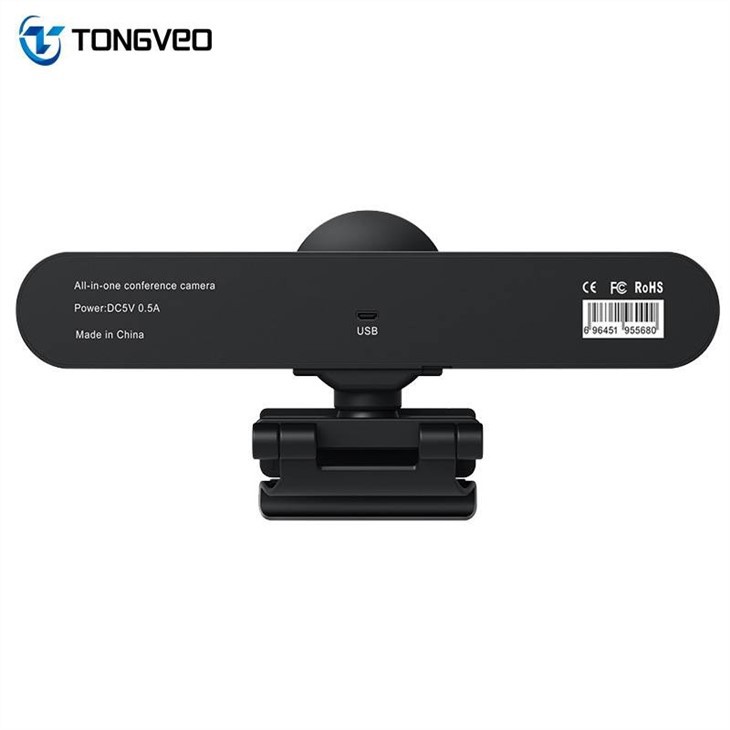
Webcam Not Recognized: After the update, if your computer doesn't recognize the webcam, try unplugging and plugging it back in. You can also try using a different USB port. If the issue still exists, it could be a problem with the firmware installation. Re - attempt the update or seek help from the manufacturer.
Performance Issues: If you notice a decline in the webcam's performance after the update, it could be due to compatibility issues. Try rolling back to the previous firmware version if possible. You can find instructions on how to do this on the manufacturer's website.
Conclusion
Updating the firmware of your 4K USB webcam is a relatively straightforward process that can bring significant benefits to your device. By following the steps outlined in this guide, you can ensure that your webcam is always running at its best, with the latest features and security patches.
If you're in the market for a high - quality 4K USB webcam, we offer a range of products suitable for various needs, including large zoom conference huddle room webcam and speaker and Great for Zoom meetings and Google Meet room webcam and microphone. Whether you're a professional streamer, an educator, or a businessperson, our webcams can meet your requirements.
If you have any questions about our products or the firmware update process, or if you're interested in purchasing our 4K USB webcams, please feel free to reach out to us. We're here to assist you with all your webcam needs.
References
- Manufacturer's user manuals for 4K USB webcams
- Online resources and forums related to webcam firmware updates