How to set up a conference camera for a group video call?
Leave a message

Setting up a conference camera for a group video call can be a game - changer for businesses, educational institutions, and social groups. As a conference camera supplier, I understand the importance of a seamless video - conferencing experience. In this blog, I'll guide you through the process of setting up a conference camera for a group video call, from choosing the right camera to fine - tuning its settings.
Choosing the Right Conference Camera
The first step in setting up a conference camera is selecting the one that suits your needs. There are several factors to consider:
Field of View
A wide field of view is crucial for group video calls. It allows the camera to capture everyone in the room. For larger groups, look for cameras with a field of view of 120 degrees or more. Our Professional Video Conferencing Camera offers an excellent field of view, ensuring that no one is left out of the frame.


Resolution
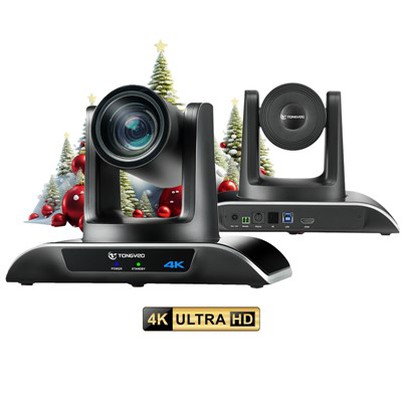
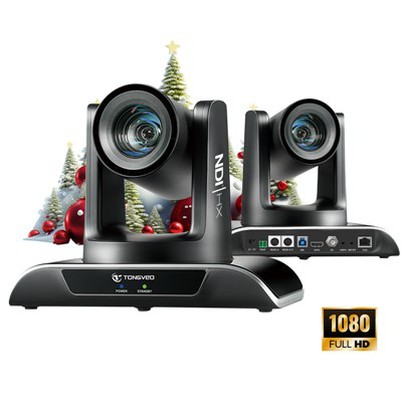
Higher resolution means clearer and more detailed images. For professional video calls, a camera with at least 1080p resolution is recommended. Some of our advanced models even support 4K resolution, providing an immersive video - conferencing experience.
Low - Light Performance
Not all meeting rooms are well - lit. A camera with good low - light performance can produce clear images even in dimly lit environments. This is especially important for evening meetings or rooms with limited natural light.
Zoom Capability
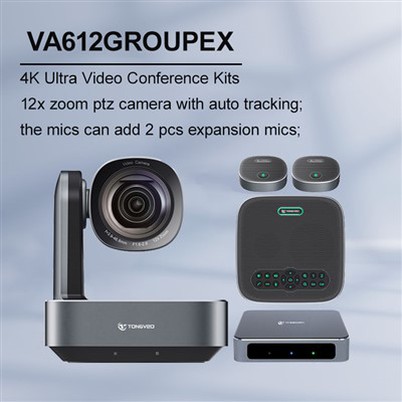
Zoom functionality allows you to focus on specific individuals or details during the call. Whether it's a presentation or a close - up discussion, a camera with optical zoom can enhance the flexibility of your video call. Our Affordable PTZ Remote Control Video Camera for Church comes with powerful zoom capabilities, which can be very useful in group settings.
Mounting the Conference Camera
Once you've chosen the right camera, the next step is to mount it properly.
Location
The camera should be placed at a height that provides a good view of the group. A common rule of thumb is to mount the camera at eye - level or slightly above. This creates a natural perspective and reduces the chances of distorted images. If you're using the camera for a conference table setup, place it at the end of the table facing the participants.
Stability
A stable mount is essential to prevent camera shake during the video call. Wall mounts or ceiling mounts are popular options, depending on the layout of the room. Make sure the mount is securely attached to the surface to avoid any movement.
Angle Adjustment
Most conference cameras allow for angle adjustment. Tilt and pan the camera to cover the entire group. You may need to make some trial - and - error adjustments to find the optimal angle that captures everyone clearly.
Connecting the Conference Camera
After mounting the camera, it's time to connect it to your video - conferencing system.
USB Connection
Many conference cameras can be easily connected to a computer via a USB cable. This is a simple and straightforward method. Once connected, the camera should be recognized by the computer's operating system. You can then select the camera as the video input device in your video - conferencing software, such as Zoom, Skype, or Microsoft Teams. Our video tv camera for conference zoom meeting is designed for easy USB connectivity, making it compatible with most popular video - conferencing platforms.
Network Connection
For more advanced setups, some cameras support network connections. This is useful for larger - scale video - conferencing systems or when you need to integrate the camera with other network devices. Follow the manufacturer's instructions to configure the network settings and establish a connection.
Configuring the Camera Settings
Before starting the video call, it's important to configure the camera settings to optimize the image quality.
Image Settings
Adjust the brightness, contrast, and saturation settings to ensure a balanced and natural - looking image. Most cameras have an auto - adjustment feature that can automatically optimize these settings based on the lighting conditions. However, you may still want to make some manual adjustments for better results.
Focus Settings
Set the focus mode according to your needs. Auto - focus is convenient as it automatically adjusts the focus to keep the subjects sharp. However, in some cases, manual focus may be preferred, especially when you want to focus on a specific area or object.
Privacy Settings
Some conference cameras come with privacy features, such as a lens cover or a software - based privacy mode. These features can be enabled when the camera is not in use to protect the privacy of the room.
Testing the Conference Camera
Once you've completed the setup and configuration, it's time to test the camera.
Self - Test
Before the actual video call, conduct a self - test. Start a video call with yourself or a colleague in another room. Check the image quality, field of view, and audio (if the camera has built - in microphones). Make any necessary adjustments to the settings based on the test results.
Group Test
If possible, conduct a group test with all the participants who will be using the camera. This allows you to ensure that everyone is clearly visible and that the camera captures the entire group effectively. It also gives you a chance to address any issues or concerns before the official video call.
Maintenance and Troubleshooting
To ensure the long - term performance of your conference camera, regular maintenance is required.
Cleaning
Keep the camera lens clean by using a soft, lint - free cloth. Avoid using abrasive materials that may scratch the lens. Regularly clean the camera body to prevent dust and dirt from accumulating.
Firmware Updates
Check for firmware updates regularly. Manufacturers often release firmware updates to improve the camera's performance, add new features, or fix bugs. Follow the manufacturer's instructions to install the updates.
Troubleshooting
If you encounter any issues with the camera, such as image distortion, connectivity problems, or audio issues, refer to the user manual or contact our technical support team. We are always ready to assist you in resolving any problems.
In conclusion, setting up a conference camera for a group video call involves several steps, from choosing the right camera to testing and maintenance. By following these guidelines, you can ensure a smooth and high - quality video - conferencing experience. If you're interested in purchasing a conference camera for your group video calls, we'd love to have a discussion with you. Reach out to us to explore our range of products and find the perfect solution for your needs.
References
- General knowledge about video - conferencing technology and camera setup.
- Product specifications and user manuals of our conference cameras.