How to optimize the settings of a conference camera for different lighting conditions?
Leave a message

Hey there! As a supplier of conference cameras, I've seen firsthand how crucial it is to optimize camera settings for different lighting conditions. Whether you're in a bright, well - lit room or a dimly lit space, getting the right settings can make a world of difference in your video conferencing experience. In this blog, I'll share some tips on how to do just that.
Understanding the Basics of Lighting and Camera Settings
Before we dive into specific settings, it's important to understand a bit about how lighting affects your conference camera. There are three main types of lighting conditions you'll likely encounter: bright light, low light, and mixed light.
In bright light, your camera might overexpose the image, making it look washed out. On the other hand, in low - light conditions, the image can become grainy and dark. Mixed light, which is a combination of bright and dim areas in the same scene, can be the trickiest to deal with as the camera has to balance both.
Bright Lighting Conditions
When you're in a brightly lit room, your main goal is to prevent overexposure. Here are some settings you can adjust:
Exposure
Most conference cameras have an auto - exposure feature. However, in extremely bright conditions, auto - exposure might not work perfectly. You can switch to manual exposure and lower the exposure level. This will reduce the amount of light that the camera sensor captures, preventing the image from looking too bright.
Aperture
If your camera allows you to adjust the aperture, a smaller aperture (higher f - number) can be useful. A smaller aperture restricts the amount of light entering the camera, which helps in bright conditions.
ISO
Keep the ISO value low. A high ISO amplifies the signal from the camera sensor, but in bright light, you don't need this amplification. A low ISO setting will result in a cleaner, less noisy image.
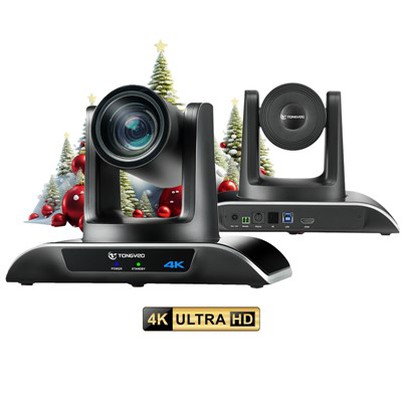
Our Pan Tilt USB PTZ Camera for Video Zoom Conferencing is a great option for bright lighting conditions. It has advanced exposure control features that can be easily adjusted to handle the excess light.
Low Lighting Conditions
In low - light situations, you want to maximize the amount of light the camera captures and reduce noise.
Exposure
Increase the exposure level in manual mode. This will make the camera sensor more sensitive to the limited light available. However, be careful not to overdo it, as this can introduce noise.


Aperture
Use a larger aperture (lower f - number) to let in more light. A wider aperture allows more photons to reach the camera sensor, which is essential in low - light environments.
ISO
You can increase the ISO value slightly. But remember, a very high ISO can make the image grainy. Try to find a balance between getting enough light and keeping the noise to a minimum.
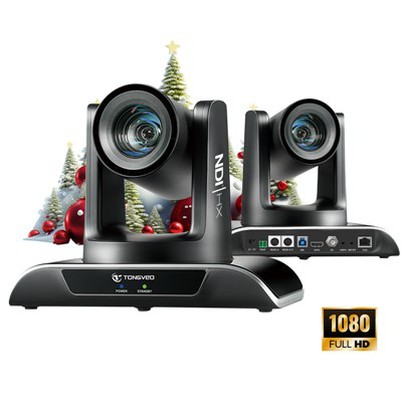
Our SDI/HDMI/USB3.0/LAN PoE Conference Camera is well - suited for low - light conditions. It has a high - sensitivity sensor that can capture clear images even in dimly lit rooms.
Mixed Lighting Conditions
Mixed lighting can be a real challenge. Here are some strategies to handle it:
White Balance
Adjust the white balance to ensure that colors look natural. Different light sources have different color temperatures, and mixed lighting can make colors appear off. You can choose a preset white balance setting or use the custom white balance feature if your camera has it.
Dynamic Range
Some conference cameras have a high - dynamic - range (HDR) mode. Enabling HDR can help the camera capture details in both the bright and dark areas of the scene. It balances the exposure across the frame, resulting in a more evenly lit image.
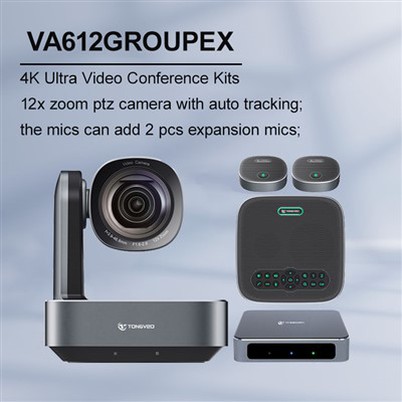
Our Tracking Camera For Video Conferencing is equipped with advanced algorithms to handle mixed lighting conditions. It can automatically adjust the settings to provide a clear and balanced image.
Other Considerations
Focus
Make sure the camera is focused correctly. In different lighting conditions, the focus might shift. You can use autofocus, but in some cases, manual focus might give you better results, especially if there are multiple objects at different distances in the frame.
Positioning
The position of the camera relative to the light sources also matters. Avoid placing the camera directly facing a bright light, as this can cause glare. Instead, position it at an angle to the light source for a more even distribution of light.
Conclusion
Optimizing the settings of a conference camera for different lighting conditions is essential for a high - quality video conferencing experience. By understanding how lighting affects your camera and adjusting the settings accordingly, you can ensure that your images are clear, well - lit, and free of noise.
If you're in the market for a conference camera that can handle a variety of lighting conditions, we've got you covered. Our range of cameras is designed with the latest technology to provide the best performance in any lighting situation.
If you're interested in purchasing our conference cameras or have any questions about optimizing camera settings, feel free to reach out to us. We're more than happy to assist you with your procurement needs and have a detailed discussion about how our products can meet your requirements.
References
- "Digital Photography: Understanding Exposure, Aperture, and ISO" by a photography enthusiast community.
- Manufacturer's guides for conference cameras.