How to mount a PTZ video camera in a church ceiling?
Leave a message

Hey there! As a supplier of PTZ video cameras for churches, I've gotten a ton of questions about how to mount these cameras on a church ceiling. It's not as complicated as it might seem at first, but there are definitely some key steps and considerations to keep in mind. In this blog post, I'll walk you through the whole process, from choosing the right camera to the final installation.
Step 1: Choose the Right PTZ Camera
Before you even think about mounting, you need to pick the right PTZ camera for your church. There are a few things to consider here. First off, think about the size of your church. If it's a small chapel, you might not need a super high - end camera with a long zoom range. But if you've got a large cathedral, you'll want a camera that can cover a wide area and zoom in on details like the altar or the choir.
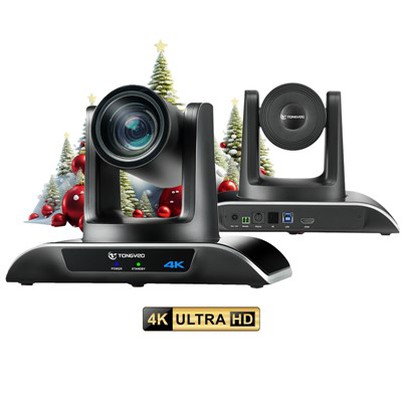
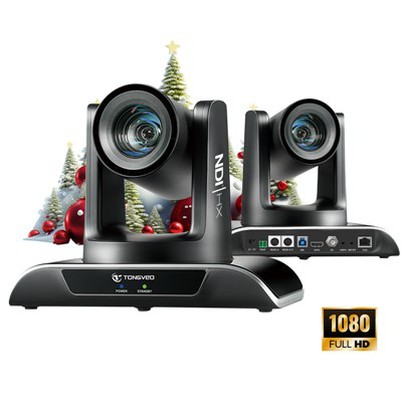
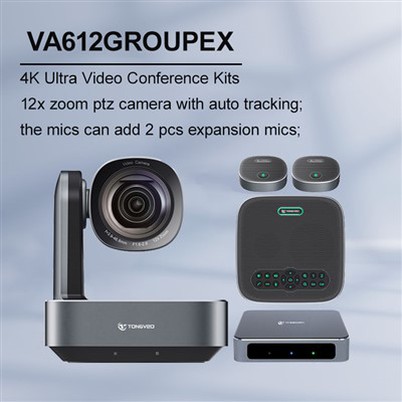
We offer a great selection of cameras, like the Fhd 1920x1080 Video Camera. It's got a great resolution, which means you'll get clear and sharp images during services. If you're looking for something more basic and cost - effective, the USB Fixed Video Conference Camera might be a good option. And for those who need top - of - the - line quality for live streaming or recording important events, our Professional Video Conferencing Camera is the way to go.
Step 2: Plan the Mounting Location
Once you've got your camera, it's time to figure out where to mount it on the ceiling. You want to make sure the camera has a good view of the areas you want to cover. This usually means the altar, the pulpit, and the congregation.
Start by walking around the church and looking at it from different angles. Try to find a spot that's high enough to get a good overview but not so high that the camera is too far away to capture details. You also want to avoid mounting the camera in a place where it'll be blocked by things like beams or lights.


It's a good idea to mark the spot on the ceiling with a piece of tape. This way, you can double - check the view before you start drilling holes.
Step 3: Gather Your Tools
Before you start mounting the camera, you'll need to gather a few tools. Here's what you'll typically need:
- A drill with the appropriate drill bits for the ceiling material (usually wood or drywall).
- Screwdrivers (both Phillips and flat - head, depending on the camera mount).
- A ladder or scaffolding to reach the ceiling.
- A level to make sure the camera is mounted straight.
- Cable ties or clips to manage the camera cables.
Make sure you have all these tools on hand before you start. It'll save you a lot of time and hassle.
Step 4: Prepare the Mounting Bracket
Most PTZ cameras come with a mounting bracket. You'll need to attach this bracket to the camera before you mount it on the ceiling.
Start by reading the camera's instruction manual. It'll tell you exactly how to attach the bracket. Usually, it's just a matter of lining up the holes on the bracket with the holes on the camera and using the provided screws to secure them together.
Once the bracket is attached to the camera, you can start preparing it for installation on the ceiling.
Step 5: Mount the Bracket on the Ceiling
Now it's time to mount the bracket on the ceiling. Take your ladder or scaffolding and climb up to the marked spot on the ceiling.
Use your drill to make holes in the ceiling where the bracket will be attached. Make sure the holes are the right size for the screws that came with the bracket.
Once the holes are drilled, place the bracket over the holes and use the screws to secure it to the ceiling. Use your level to make sure the bracket is straight. If it's not, you can adjust it by loosening the screws slightly and moving the bracket until it's level.
Step 6: Attach the Camera to the Bracket
With the bracket securely mounted on the ceiling, it's time to attach the camera. Lift the camera up to the bracket and line up the holes on the camera with the holes on the bracket.
Use the provided screws to attach the camera to the bracket. Make sure the screws are tightened securely, but don't over - tighten them, as this could damage the camera or the bracket.
Step 7: Connect the Cables
After the camera is mounted, you'll need to connect the cables. This usually includes a power cable and a video cable.
Run the cables from the camera to the location where you'll be connecting them to your recording or streaming equipment. Use cable ties or clips to keep the cables organized and out of the way.
Make sure the cables are not pinched or damaged during the installation process. If you're using a long cable, you might need to use a cable extender to ensure a good signal.
Step 8: Test the Camera
Once the camera is mounted and the cables are connected, it's time to test it. Turn on the camera and check the image on your recording or streaming device.
Pan, tilt, and zoom the camera to make sure it's working properly. Check the focus and the color settings. If there are any issues, refer to the camera's instruction manual for troubleshooting tips.
Step 9: Secure the Cables
After you've tested the camera and everything is working fine, it's a good idea to secure the cables more permanently. You can use cable clips or conduit to protect the cables and keep them looking neat.
This will also prevent the cables from getting accidentally pulled or damaged in the future.
Step 10: Final Checks
Before you call it a day, do a final check of the installation. Make sure the camera is still level and securely mounted. Check the cables again to make sure they're not loose or damaged.
Also, take a look at the camera's view one more time. Make any final adjustments to the pan, tilt, or zoom settings if needed.
Contact Us for More Information
Mounting a PTZ video camera on a church ceiling might seem like a big job, but if you follow these steps, you'll be able to do it successfully. And if you have any questions or need help choosing the right camera for your church, don't hesitate to reach out to us. We're here to help you make the most of your video recording and streaming needs in your church. Contact us today to start a discussion about your specific requirements and discuss a purchase.
References
- Camera manufacturer's instruction manuals
- General knowledge of video camera installation techniques