How to install a PTZ video camera on a church wall?
Leave a message

Hey there! I'm a supplier of PTZ video cameras for churches, and I'm stoked to share with you how to install a PTZ video camera on a church wall. It might sound a bit daunting at first, but with the right steps and a bit of know - how, you'll have that camera up and running in no time.
1. Pre - installation Checks
Before you even start thinking about mounting the camera on the wall, there are a few things you need to do. First off, check the location on the church wall. You want a spot that gives you a good view of the area you want to cover, whether it's the altar, the choir, or the entire congregation. Make sure there are no obstructions like beams, pipes, or decorations that could block the camera's view.
Next, take a look at the power source. PTZ cameras usually need a reliable power supply. You can either use a nearby electrical outlet or, if that's not possible, consider running a power cable. Just make sure to follow all the electrical safety codes. Also, check for a network connection if your camera is an IP - based one. You'll need a stable internet connection for features like remote viewing and control.
2. Gathering the Tools
Once you've sorted out the pre - installation checks, it's time to gather your tools. You'll need a drill, appropriate drill bits for the wall material (for example, masonry bits if it's a brick wall), a level to make sure the camera is straight, a screwdriver, and a ladder if the mounting spot is high up. Oh, and don't forget some cable ties to keep the cables neat and tidy.


3. Mounting the Bracket
The first step in physically installing the camera is to mount the bracket on the wall. Most PTZ cameras come with a mounting bracket. Start by marking the spots on the wall where you'll drill the holes for the bracket. Use the level to ensure that the marks are straight. Then, drill the holes carefully. Make sure the holes are deep enough to hold the wall anchors securely.
Insert the wall anchors into the holes and then attach the bracket to the wall using the screws provided. Tighten the screws firmly, but don't over - tighten as you might damage the wall or the bracket. Double - check that the bracket is level again before moving on.
4. Attaching the Camera to the Bracket
Now that the bracket is securely on the wall, it's time to attach the camera. Carefully lift the camera and align it with the bracket. There are usually mounting points on the camera that match up with the bracket. Slide the camera onto the bracket and use the screws to secure it in place. Make sure the camera is firmly attached and doesn't wobble.
5. Connecting the Cables
After attaching the camera to the bracket, it's time to connect the cables. If it's a power - over - Ethernet (PoE) camera, you'll only need to connect one Ethernet cable, which will provide both power and data. If not, you'll need to connect the power cable to the power source and the Ethernet cable to your network switch.
Use the cable ties to bundle the cables together and secure them to the wall or the bracket. This will prevent the cables from getting tangled and also make the installation look neater.
6. Testing the Camera
Once you've connected all the cables, it's time to test the camera. Power on the camera and check if it's getting power. If it's an IP - based camera, you can access it through a web browser or a dedicated software application. Check if you can see the live feed and if the camera's pan, tilt, and zoom functions are working properly.
If you encounter any issues, double - check all the connections and make sure the camera is configured correctly. You might need to refer to the camera's user manual for troubleshooting steps.
7. Fine - Tuning the Camera
After the initial testing, you can fine - tune the camera settings. Adjust the pan, tilt, and zoom to get the perfect view. You can also set up presets if your camera supports them. Presets allow you to quickly move the camera to a specific position, which is great for capturing different parts of the church during a service.
Our Product Recommendations
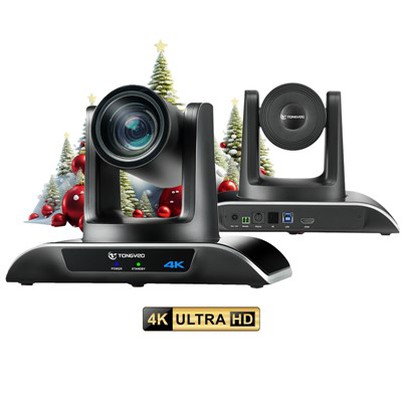
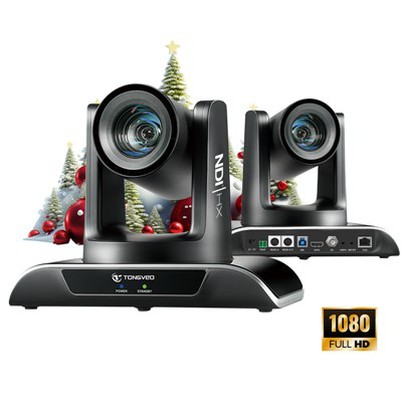
As a PTZ video camera church supplier, I want to tell you about some of our great products. We have the Pan Tilt USB PTZ Camera for Video Zoom Conferencing. This camera is perfect for churches that also use it for video conferencing. It has a smooth pan and tilt function and excellent zoom capabilities.
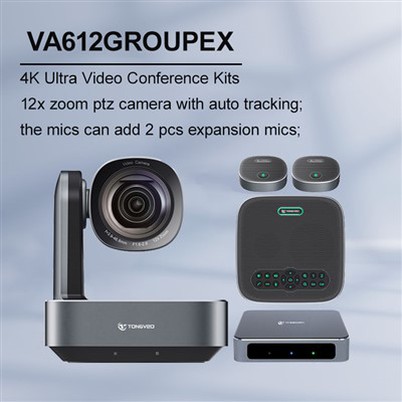
Another great option is the Tracking Camera For Video Conferencing. This camera can automatically track movement, which is really handy during church services when people are moving around.
And if you're looking for a camera for zoom meetings within the church, our video tv camera for conference zoom meeting is a great choice. It has a wide - angle lens that can capture a large area, making it ideal for group meetings.
Contact Us for Purchasing
If you're interested in any of our PTZ video cameras or need more information about the installation process, don't hesitate to reach out. We're here to help you make the best choice for your church. Whether you're a small chapel or a large cathedral, we have the right camera for you.
References
- Camera manufacturer's user manuals
- Electrical safety codes and guidelines
- General DIY installation guides for video cameras