How to improve the audio quality when using a Blackmagic PTZ camera?
Leave a message

As a supplier of Blackmagic PTZ cameras, I understand the importance of high-quality audio in video production, whether it's for live streaming, corporate presentations, or video conferencing. The performance of a PTZ camera isn't just about crystal - clear visuals; great audio is equally crucial for a comprehensive and engaging viewing experience. In this blog, I will share some effective strategies to improve the audio quality when using a Blackmagic PTZ camera.
1. Choose the Right Microphone
The first step in enhancing audio quality is selecting an appropriate microphone for your specific needs. There are several types of microphones available, each with its own characteristics and applications.
Omnidirectional Microphones: These microphones pick up sound from all directions. They are ideal for situations where you need to capture ambient sound or when there are multiple speakers scattered around the room. For example, in a large conference room where people are sitting at different tables, an omnidirectional microphone can ensure that all voices are picked up. However, they may also pick up unwanted background noise.
Unidirectional Microphones: Also known as cardioid microphones, they are designed to pick up sound from the front while rejecting sound from the sides and rear. This makes them perfect for focusing on a single speaker or a small group of speakers in front of the camera. In a presentation setting, a unidirectional microphone can isolate the voice of the presenter and reduce background interference.
Shotgun Microphones: These are highly directional microphones that can pick up sound from a long distance. They are often used in film and TV production to capture sound from afar. If you are using the Blackmagic PTZ camera for outdoor events or large - scale productions, a shotgun microphone can help you get clear audio from a specific area without getting too much environmental noise.
When choosing a microphone, make sure it is compatible with your Blackmagic PTZ camera. Most Blackmagic PTZ cameras have audio input ports that support XLR or 3.5mm audio connections. You can check the camera's specifications to see which types of microphones it can work with. For more sophisticated audio setups, you may also consider using audio mixers to combine multiple microphones and adjust the audio levels effectively.
2. Proper Microphone Placement
Once you have chosen the right microphone, the next crucial step is correct placement.
For Presentations: If you are using a unidirectional microphone, place it about 6 - 12 inches away from the speaker's mouth. This distance will ensure that the voice is picked up clearly while reducing the chances of plosive sounds (such as "p" and "b" sounds that can cause a popping noise). Placing the microphone at a slight angle (about 45 degrees) can also help in avoiding plosives.
In a Conference Room: When using omnidirectional microphones in a conference room, distribute them evenly around the room. Place them at a height of about 3 - 4 feet above the ground to capture voices at a natural level. Avoid placing microphones near air vents, fans, or other sources of background noise.
Outdoor Usage: When using a shotgun microphone outdoors, mount it on a mic boom or a camera - specific microphone mount. Point it directly at the sound source and keep it as close as possible without getting into the frame. This will help in minimizing the impact of wind and other environmental noises.
3. Control Background Noise
Background noise can significantly degrade the audio quality of your recordings. To minimize it, you need to take several steps.
Room Acoustics: If you are recording indoors, consider the acoustics of the room. Soft materials such as carpets, curtains, and acoustic panels can absorb sound and reduce echoes and reverberations. In a conference room, adding some acoustic tiles to the walls or placing a thick rug on the floor can make a big difference. You may also want to close doors and windows to prevent outside noise from entering.
Equipment Noise: Make sure that all your equipment, including the Blackmagic PTZ camera itself, is in good working condition. Some cameras may produce fan noise, especially when they are overheated. Place the camera in a well - ventilated area to prevent overheating. Also, check the power supply of your equipment. Unstable power can sometimes cause electrical noise in the audio signal.
Environmental Noise: If you are recording outdoors, use windshields or wind baffles on your microphones to reduce wind noise. For noisy environments, you can use noise - cancellation techniques or software. Some audio editing software has built - in noise reduction filters that can be used to clean up the audio after recording.
4. Audio Settings on the Blackmagic PTZ Camera
The Blackmagic PTZ camera offers a range of audio settings that you can adjust to optimize the audio quality.
Gain Control: The gain setting determines the sensitivity of the audio input. If the gain is set too high, the audio may be distorted with excessive noise. If it is set too low, the audio may be too quiet. Start with a low gain setting and gradually increase it until you get a clear and balanced audio level. You can monitor the audio level using the camera's built - in audio meters.
Audio Channel Configuration: The camera may support multiple audio channels. Depending on your setup, you can choose to use mono or stereo audio. For most applications, stereo audio can provide a more immersive experience. However, if you are using a single microphone, mono audio may be sufficient.
Audio Equalization: Some Blackmagic PTZ cameras allow you to adjust the audio equalization. This can help you boost or cut certain frequencies to improve the clarity and quality of the audio. For example, you can boost the mid - frequencies to make voices more prominent or cut the low frequencies to reduce background rumble.


5. Use Audio Accessories and Software
There are several audio accessories and software that can enhance the audio quality of your Blackmagic PTZ camera.
Audio Pre - amplifiers: If your microphone has a low output level, an audio pre - amplifier can boost the signal before it reaches the camera. This can improve the overall audio quality, especially when using high - impedance microphones.
Digital Audio Workstations (DAWs): After recording, you can use DAWs such as Adobe Audition or Logic Pro to edit and enhance the audio. These software programs offer a wide range of tools for noise reduction, equalization, compression, and more. You can also use them to mix multiple audio tracks and create a professional - sounding final product.
6. Test and Calibrate Regularly
Finally, it is essential to test and calibrate your audio setup regularly. Before each recording or live stream, do a quick audio test to ensure that everything is working correctly. Check the audio levels, the quality of the sound, and any potential issues such as background noise. Make adjustments as needed.
You can also use audio calibration tools to ensure that the audio settings on your Blackmagic PTZ camera are consistent. These tools can help you set the correct gain, equalization, and other settings for optimal audio quality.
In conclusion, improving the audio quality when using a Blackmagic PTZ camera requires a combination of selecting the right equipment, proper placement, noise control, and careful adjustment of audio settings. By following these tips, you can achieve professional - grade audio for your video productions.
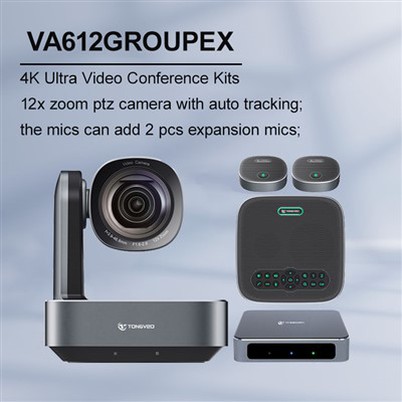
If you are interested in our Conference Room Zoom Camera, 4K AI Livestreaming PTZ Camera or Top ptz Conference Web Camera for Team Meeting, or if you have any questions about improving audio quality with our Blackmagic PTZ cameras, please feel free to contact us for procurement and further discussions.
References
- "Audio for Video" by Tomlinson Holman.
- "The Audio Expert: Everything You Need to Know About Professional Audio" by Glen Ballou.