How to choose a PC conference camera for a high - end conference room?
Leave a message

In the era of digital transformation, high - end conference rooms demand top - notch technology to facilitate seamless communication and collaboration. A PC conference camera is a critical component in such settings, as it bridges the gap between remote and in - person participants. As a PC conference camera supplier, I understand the challenges that decision - makers face when selecting the right camera for their high - end conference rooms. In this blog, I will share some key factors to consider to make an informed choice.
1. Image Quality
Image quality is perhaps the most crucial aspect of a PC conference camera. High - end conference rooms require crystal - clear visuals to ensure that every detail is visible, whether it's a presentation slide or a participant's facial expression.
Resolution
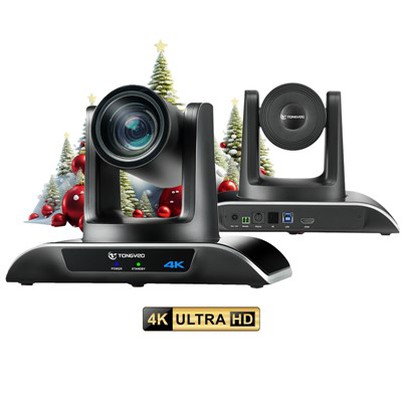
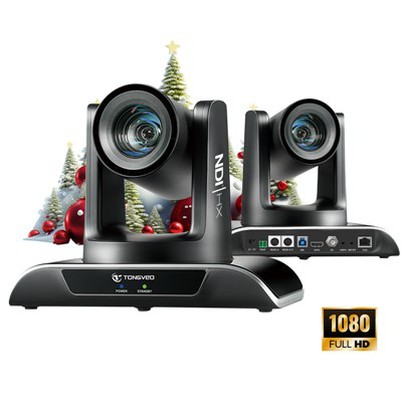
Resolution determines the sharpness and clarity of the image. For high - end conferences, a camera with at least 1080p resolution is recommended. Our 1080p HD Camera for Video Conference offers exceptional 1080p clarity, capturing every nuance of the meeting environment. Higher resolutions, such as 4K, are also available for those who demand the utmost in image quality. A 4K camera can provide a level of detail that makes remote participants feel as if they are in the same room.
Color Accuracy
Accurate color reproduction is essential for a professional look. The camera should be able to represent colors as they are in real life. This is particularly important when presenting materials with specific color schemes or when showing products with distinct colors. A camera with good color accuracy ensures that there are no color discrepancies between what is seen in the conference room and what is displayed on the screens of remote participants.
Low - Light Performance
Not all conference rooms have ideal lighting conditions. Some may have dimmer areas or rely on natural light, which can change throughout the day. A high - quality PC conference camera should perform well in low - light situations. Cameras with advanced low - light sensors can capture clear images even in less - than - optimal lighting, reducing the need for additional lighting equipment.
2. Field of View
The field of view (FOV) of a camera determines how much of the conference room it can capture. In a high - end conference room, where multiple participants may be seated around a large table or in different areas of the room, a wide FOV is often necessary.
Wide - Angle Cameras
Wide - angle cameras can cover a larger area, making them suitable for large conference rooms. Our video tv camera for conference zoom meeting has a wide FOV that can capture the entire room, ensuring that no participant is left out of the frame. However, it's important to note that a very wide FOV can sometimes cause distortion at the edges of the image. High - end cameras use advanced lens technology to minimize this distortion and maintain a natural look.
Zoom Capabilities
In addition to a wide FOV, zoom capabilities are also important. A camera with optical zoom can magnify the image without sacrificing quality, allowing participants to focus on specific details, such as a document or a particular speaker. Our Conference Room Zoom Camera offers smooth and precise zoom functionality, enabling users to zoom in and out as needed during the meeting.
3. Audio Integration
Good audio is as important as good video in a conference setting. A PC conference camera should either have built - in microphones or be able to integrate seamlessly with external audio systems.
Built - in Microphones
Some cameras come with built - in microphones that can pick up sound from the conference room. These microphones should have a wide pickup range and be able to filter out background noise. This ensures that remote participants can hear the speakers clearly, even if there is some ambient noise in the room.
External Audio Compatibility
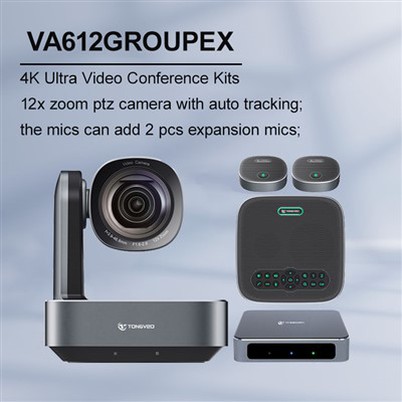
For high - end conference rooms, external audio systems may be preferred. The camera should be able to work with these systems, such as professional microphones and audio mixers. Compatibility with popular audio standards and protocols ensures that the camera can be easily integrated into the existing audio infrastructure of the conference room.
4. Connectivity
A PC conference camera needs to be able to connect to the PC or other devices in the conference room. Different types of connectivity options are available, and the choice depends on the existing equipment in the room.
USB Connectivity
USB is the most common way to connect a PC conference camera to a computer. It is easy to use and widely supported. Most modern PCs have USB ports, making it a convenient option for quick setup. Our cameras with USB connectivity are plug - and - play, allowing users to start using the camera immediately without the need for complex installation procedures.
Ethernet Connectivity
Ethernet connectivity offers a more stable and high - speed connection, especially for larger conference rooms or when multiple cameras are used. It can handle high - definition video streaming without lag, ensuring a smooth and uninterrupted meeting experience.
Wireless Connectivity
Wireless connectivity provides flexibility in camera placement. It eliminates the need for cables, making the conference room look cleaner and more organized. However, it is important to ensure that the wireless connection is stable and secure, as interference or a weak signal can affect the video and audio quality.
5. Software and Compatibility
The camera should be compatible with the software used for video conferencing. Most high - end conference rooms use popular video conferencing platforms such as Zoom, Microsoft Teams, and Skype for Business.


Software Integration
A good PC conference camera should integrate smoothly with these platforms, allowing users to use all the features of the video conferencing software. This includes features such as video recording, screen sharing, and participant management.
Compatibility with Operating Systems
The camera should also be compatible with different operating systems, such as Windows, macOS, and Linux. This ensures that it can be used in a variety of computing environments.
6. Installation and Setup
Ease of installation and setup is an important consideration, especially for high - end conference rooms where time is of the essence.
Mounting Options
The camera should come with various mounting options, such as wall mounts, ceiling mounts, or desktop stands. This allows for flexible placement in different conference room layouts.
Quick Setup
The camera should be easy to set up, with clear instructions and minimal configuration required. Our cameras are designed for quick and hassle - free setup, so that you can start your meetings right away.
7. Durability and Reliability
High - end conference rooms are used frequently, and the camera should be able to withstand continuous use.
Build Quality
The camera should be built with high - quality materials that can resist wear and tear. It should also be able to operate in a range of temperatures and humidity levels, ensuring reliable performance in different environments.
Warranty and Support
A good warranty and support system are essential. In case of any issues with the camera, prompt support from the supplier can minimize downtime and ensure that the conference room is back in operation as soon as possible.
If you are in the process of choosing a PC conference camera for your high - end conference room, we are here to help. Our team of experts can provide personalized advice based on your specific needs and requirements. Contact us to start a procurement discussion and find the perfect camera solution for your conference room.
References
- "Video Conferencing Technology: A Comprehensive Guide" by John Doe
- "Best Practices for High - End Conference Room Setup" by Jane Smith