How to adjust the white balance of a PTZ video camera in a church?
Leave a message

White balance is a crucial aspect of achieving high - quality video recording, especially in a church setting where lighting conditions can be complex. As a supplier of PTZ video cameras for churches, I understand the challenges that come with getting the white balance right. In this blog, I'll share some effective methods to adjust the white balance of a PTZ video camera in a church environment.
Understanding White Balance
Before delving into the adjustment methods, it's essential to understand what white balance is. In simple terms, white balance is the process of ensuring that white objects in a video appear white, regardless of the lighting conditions. Different light sources emit light with different color temperatures, measured in Kelvin (K). For example, natural daylight has a color temperature of around 5500K, while incandescent bulbs typically have a color temperature of about 2700K. If the white balance is not properly adjusted, the colors in the video will appear distorted.
Importance of Correct White Balance in a Church
Churches often have a combination of natural and artificial lighting. There may be large stained - glass windows that let in sunlight during the day, and at night, the interior is illuminated by various types of artificial lights such as fluorescent, LED, or incandescent bulbs. Incorrect white balance can make the skin tones of the clergy, choir members, and congregants look unnatural, and the overall atmosphere of the church may not be accurately represented. A well - adjusted white balance can enhance the visual appeal of the recorded or live - streamed services, making them more engaging for the viewers.
Pre - Adjustment Checks
Before attempting to adjust the white balance, it's important to conduct a few pre - adjustment checks. First, make sure that the camera lens is clean. Any dirt or smudges on the lens can affect the quality of the image and the accuracy of the white balance adjustment. Second, check the camera's firmware. An outdated firmware may have bugs or limitations that can interfere with the white balance adjustment. Update the firmware to the latest version if necessary.
Manual White Balance Adjustment
One of the most accurate ways to adjust the white balance of a PTZ video camera is through manual adjustment. Here's how you can do it:
- Select a Neutral White Object: Find a neutral white object in the church environment. This could be a white piece of paper, a white wall, or a white cloth. The object should be evenly lit and not affected by direct shadows.
- Set the Camera to Manual White Balance Mode: Most PTZ video cameras have a manual white balance setting. Navigate through the camera's menu to find this option.
- Frame the White Object: Use the camera's pan, tilt, and zoom functions to frame the white object so that it fills the entire frame. Make sure there are no other colored objects in the frame.
- Initiate the White Balance Calibration: Once the white object is properly framed, press the white balance calibration button on the camera or in the menu. The camera will analyze the color of the white object and set the white balance accordingly.
- Verify the Adjustment: After the calibration is complete, pan, tilt, and zoom the camera to different areas of the church to check if the white balance looks correct. If not, repeat the process until you are satisfied with the result.
Preset White Balance Modes
Most PTZ video cameras come with preset white balance modes such as Auto, Daylight, Cloudy, Fluorescent, and Incandescent. These presets are designed to approximate the color temperature of different lighting conditions.


- Auto White Balance: The auto white balance mode is convenient as the camera automatically adjusts the white balance based on the lighting conditions. However, in a church environment with mixed lighting, the auto mode may not always produce the best results. It can sometimes over - correct or under - correct the white balance, leading to unnatural colors.
- Daylight Preset: If the church is mainly illuminated by natural daylight, you can select the daylight preset. This preset is calibrated for a color temperature of around 5500K, which is close to the color temperature of sunlight.
- Fluorescent Preset: When the church uses fluorescent lights, the fluorescent preset can be a good option. Fluorescent lights have a unique color spectrum, and this preset is designed to compensate for it.
- Incandescent Preset: If the church has incandescent bulbs, the incandescent preset can help to correct the warm color cast of these lights.
Using a Color Temperature Meter
For more precise white balance adjustment, you can use a color temperature meter. Here's how it works:
- Measure the Color Temperature: Place the color temperature meter in the area where the camera will be recording. Make sure it is exposed to the same lighting conditions as the subject. The meter will display the color temperature of the light in Kelvin.
- Set the Camera's White Balance: Enter the measured color temperature value into the camera's white balance settings. Some cameras allow you to directly input the Kelvin value, while others may have a scale that you can adjust to match the measured temperature.
- Fine - Tune the Adjustment: After setting the white balance based on the measured color temperature, check the video output and make any necessary fine - tuning adjustments.
Monitoring and Adjusting During the Service
Even after the initial white balance adjustment, the lighting conditions in a church can change during a service. For example, as the sun moves across the sky during the day, the amount and color of the natural light coming through the stained - glass windows may change. At night, if different lights are turned on or off, the overall lighting in the church will be affected. It's important to monitor the video output during the service and make any necessary adjustments to the white balance.
Tips for Consistent White Balance
- Use a Color Chart: Keep a color chart in the church. You can use it to quickly check the white balance during the service. If the colors on the chart look off, you can make the necessary adjustments.
- Create a Lighting Plan: Work with the church's facilities team to create a lighting plan. This can help to ensure that the lighting is consistent throughout the church and that the white balance is easier to maintain.
- Train the Camera Operators: Provide training to the camera operators on how to adjust the white balance. They should be familiar with the camera's white balance settings and the different adjustment methods.
Our PTZ Video Cameras for Churches
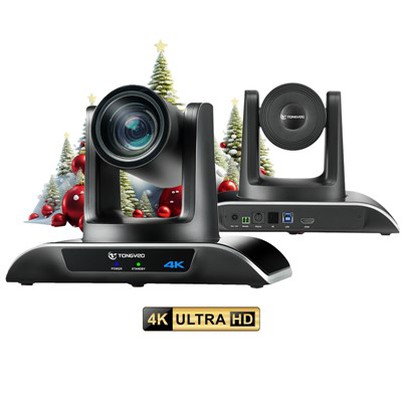
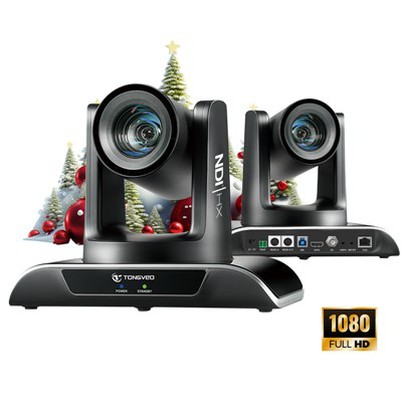
As a supplier of PTZ video cameras for churches, we offer a range of high - quality cameras that are suitable for various church environments. Our Affordable PTZ Remote Control Video Camera for Church is designed to provide excellent image quality and easy - to - use white balance adjustment features. It has a wide range of pan, tilt, and zoom capabilities, allowing you to capture every moment of the service.
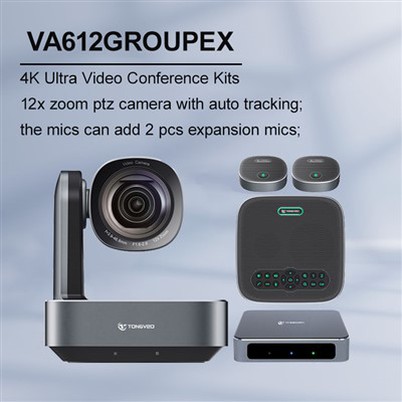
We also have the Conference Room Call Video Camera which can be used in the church for meetings, conferences, or even for live - streaming services. This camera has advanced white balance algorithms that can adapt to different lighting conditions.
For those who prefer a USB - connected camera, our USB HD PTZ Video Conference Camera is a great option. It is easy to set up and can be connected directly to a computer for recording or live - streaming.
Contact Us for Procurement
If you are interested in purchasing our PTZ video cameras for your church, we would be happy to discuss your specific needs. Our team of experts can provide you with detailed information about the cameras, their features, and how they can be customized to suit your church's requirements. Contact us today to start the procurement process and take your church's video recording and live - streaming to the next level.
References
- "Digital Photography: Understanding White Balance" by Michael Freeman
- "Video Production Handbook" by John D. F. Anderson