How to adjust the pan and tilt settings of an Hd Conference Camera?
Leave a message

Adjusting the pan and tilt settings of an HD conference camera is a crucial skill for ensuring optimal visual communication during meetings. As a leading supplier of HD conference cameras, we understand the importance of these settings in creating a seamless and engaging conferencing experience. In this blog post, we'll guide you through the process of adjusting the pan and tilt settings of your HD conference camera, providing you with practical tips and best practices along the way.
Understanding Pan and Tilt
Before we dive into the adjustment process, let's first clarify what pan and tilt mean in the context of a conference camera. Pan refers to the horizontal movement of the camera, allowing it to rotate left or right. Tilt, on the other hand, refers to the vertical movement, enabling the camera to move up or down. By adjusting these settings, you can control the camera's field of view and ensure that all participants are visible during the conference.
Preparation
Before you start adjusting the pan and tilt settings, there are a few things you need to do to prepare. First, make sure your camera is properly installed and mounted. A stable mount is essential for accurate pan and tilt adjustments. Next, check the camera's power supply and connectivity. Ensure that it is connected to your computer or conferencing system and that the software is installed and running correctly.
Accessing the Camera Settings
Most HD conference cameras come with a user-friendly software interface that allows you to access and adjust the camera settings. To access the settings, you typically need to open the camera software on your computer. Once the software is open, look for the menu or settings option that allows you to control the pan and tilt functions.
Manual Adjustment
One of the simplest ways to adjust the pan and tilt settings is through manual control. Most camera software provides virtual controls, such as joysticks or arrow keys, that you can use to move the camera horizontally and vertically. To pan the camera, click and drag the virtual joystick left or right. To tilt the camera, click and drag the joystick up or down. You can also use the arrow keys on your keyboard for more precise control.
When making manual adjustments, it's important to take your time and make small, incremental changes. This will help you achieve the desired position without overshooting. Keep an eye on the preview window in the camera software to see the effect of your adjustments in real-time.
Preset Positions
Many HD conference cameras allow you to save preset positions for the pan and tilt settings. This is particularly useful if you have multiple meeting configurations or if you want to quickly switch between different views. To set a preset position, first adjust the camera to the desired pan and tilt settings. Then, look for the option in the camera software to save the current position as a preset. You can usually assign a name or number to each preset for easy identification.
To recall a preset position, simply select the corresponding preset from the list in the camera software. The camera will automatically move to the saved position, saving you time and effort.
Using Remote Controls
Some HD conference cameras come with a remote control that allows you to adjust the pan and tilt settings from a distance. This can be very convenient, especially in large conference rooms where it may be difficult to reach the computer controlling the camera. The remote control typically has buttons or a joystick that you can use to pan and tilt the camera.
If your camera comes with a remote control, make sure to familiarize yourself with its functions before using it. Practice making adjustments from different positions in the room to ensure that you can achieve the desired results.
Advanced Features
In addition to manual adjustment and preset positions, some HD conference cameras offer advanced features that can enhance the pan and tilt functionality. For example, some cameras have auto-tracking capabilities, which allow them to automatically follow a moving subject. This can be useful in situations where participants are moving around the room.
Other cameras may have motion detection features that can trigger the camera to pan and tilt when it detects movement. This can help ensure that all activity in the room is captured. To take advantage of these advanced features, refer to the camera's user manual or consult with our technical support team.
Troubleshooting
If you encounter any problems when adjusting the pan and tilt settings, there are a few things you can try. First, check the camera's power supply and connectivity. Make sure that all cables are properly plugged in and that the camera is receiving power. If the camera is not responding to your commands, try restarting the camera and the computer controlling it.
If the problem persists, refer to the camera's user manual for troubleshooting tips. You can also contact our technical support team for assistance. We have a team of experts who are available to help you resolve any issues you may encounter.
Conclusion
Adjusting the pan and tilt settings of an HD conference camera is an important part of setting up a successful video conference. By following the steps outlined in this blog post, you can ensure that your camera is positioned correctly and that all participants are visible. Whether you're using manual adjustment, preset positions, or advanced features, taking the time to optimize the pan and tilt settings will enhance the overall quality of your conferencing experience.


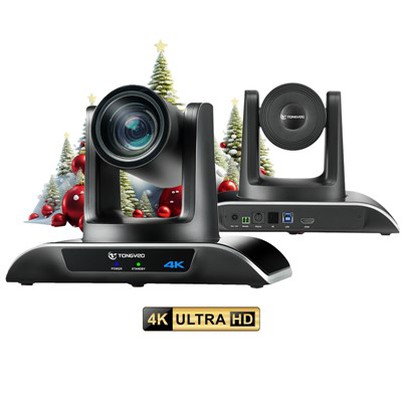
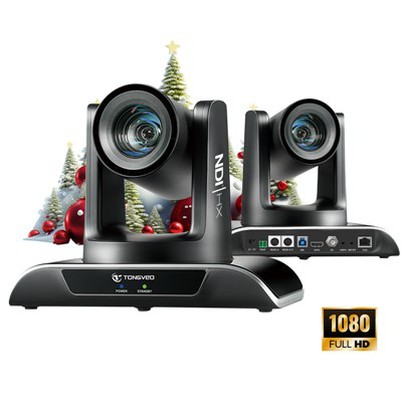
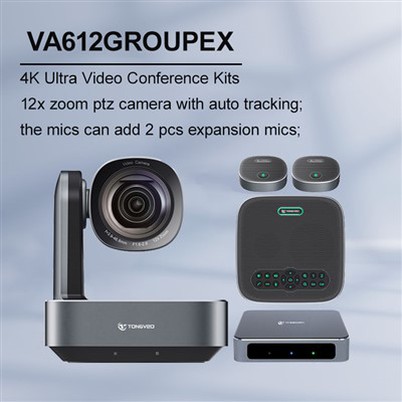
As a leading supplier of HD conference cameras, we offer a wide range of products to meet your needs. Our USB HD PTZ Video Conference Camera provides high-quality video and easy-to-use pan and tilt controls. If you're looking for a camera that can cover a large conference room, our 360 Conference Room Video Cameras for Teams are a great option. And for those who need advanced connectivity options, our SDI/HDMI/USB3.0/LAN PoE Conference Camera offers a variety of interfaces.
If you're interested in learning more about our HD conference cameras or if you have any questions about adjusting the pan and tilt settings, please don't hesitate to contact us. Our sales team is ready to assist you with your purchasing decision and provide you with the support you need to get the most out of your camera.
References
- Camera user manuals provided by the manufacturer.
- Technical documentation and support resources from our company.