How to adjust the gain on a Blackmagic PTZ camera?
Leave a message

Adjusting the gain on a Blackmagic PTZ camera is a crucial skill for achieving optimal video quality in various shooting scenarios. As a supplier of Blackmagic PTZ cameras, I've had the opportunity to work closely with these devices and understand the intricacies of gain adjustment. In this blog post, I'll share some insights on how to adjust the gain on a Blackmagic PTZ camera effectively.


Understanding Gain in a Camera
Before diving into the adjustment process, it's essential to understand what gain is and how it affects your footage. Gain, in the context of a camera, is a way to amplify the signal from the image sensor. When shooting in low - light conditions, increasing the gain can make the image brighter. However, it comes with a trade - off. As you increase the gain, you also amplify the noise in the image, which can result in a grainy or noisy appearance.
Pre - adjustment Checks
- Lighting Assessment: Before making any gain adjustments, assess the lighting conditions of your shooting environment. If possible, try to improve the lighting using additional lights. Natural light is always the best option, but if that's not available, consider using softbox lights, LED panels, or other artificial lighting sources. Good lighting can reduce the need for high gain settings and result in cleaner footage.
- Camera Setup: Ensure that your Blackmagic PTZ camera is properly mounted and focused. A well - focused camera will capture sharper images, and a stable mount will prevent unwanted vibrations.
Adjusting the Gain on a Blackmagic PTZ Camera
- Accessing the Camera Menu:
- First, connect your Blackmagic PTZ camera to a compatible control device, such as a computer or a dedicated camera controller.
- Use the control interface to access the camera's menu. The menu layout may vary depending on the model of your camera, but generally, you can find the gain settings under the "Image" or "Video" section.
- Manual vs. Automatic Gain:
- Automatic Gain: The camera's automatic gain setting is designed to adjust the gain based on the lighting conditions in the scene. This can be convenient, especially in dynamic lighting environments where the light levels change frequently. However, the automatic gain may not always produce the best results, as it may increase the gain too much in an attempt to brighten the image, leading to excessive noise.
- Manual Gain: For more precise control over your footage, it's recommended to use the manual gain setting. In the camera menu, switch from automatic to manual gain.
- Setting the Gain Value:
- Once you've selected the manual gain option, you can start adjusting the gain value. The gain is usually measured in decibels (dB). A lower gain value (e.g., 0 dB) means less amplification and less noise, while a higher gain value (e.g., 20 dB or more) will make the image brighter but also introduce more noise.
- Start with a low gain value and gradually increase it until you achieve the desired brightness in your image. Keep an eye on the image quality as you adjust the gain. If you notice excessive noise, try to reduce the gain and look for other ways to improve the lighting.
Tips for Optimal Gain Adjustment
- Test Shots: Before starting an important shoot, take some test shots at different gain settings. This will allow you to see how the gain affects the image quality in your specific shooting environment. You can then choose the best gain setting for your needs.
- Use Histograms: Many Blackmagic PTZ cameras have a histogram display feature. A histogram shows the distribution of light in your image. By looking at the histogram, you can ensure that your image has a good balance of light and dark areas. If the histogram is skewed to the left, it means the image is too dark, and you may need to increase the gain. If it's skewed to the right, the image is too bright, and you may need to decrease the gain.
- Consider the Subject: The type of subject you're shooting can also affect the gain setting. For example, if you're shooting a person, you may want to keep the gain low to maintain a natural skin tone and reduce noise. If you're shooting a static object in a low - light environment, you may be able to tolerate a slightly higher gain.
Applications of Blackmagic PTZ Cameras and Gain Adjustment
Blackmagic PTZ cameras are versatile and can be used in a variety of applications.
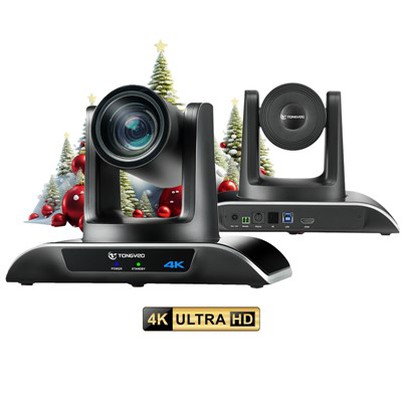
- Professional Video Conferencing: In a video conferencing setup, good image quality is essential. You can use our Professional Video Conferencing Camera to ensure clear and sharp visuals. Adjusting the gain properly will help you achieve a professional look, even in less - than - ideal lighting conditions.
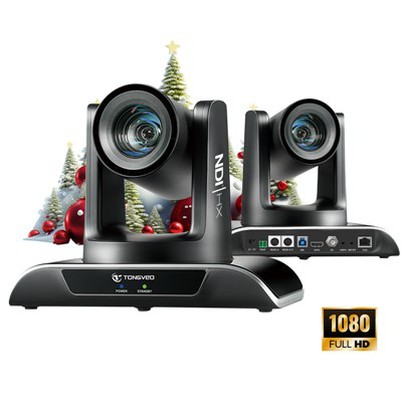
- Church Live Streaming: For church live streaming, capturing high - quality footage is crucial to engage the audience. Our Ptz Camera For Church Live Streaming is a great choice. By adjusting the gain, you can ensure that the church interior, the pastor, and the congregation are all well - lit and visible.
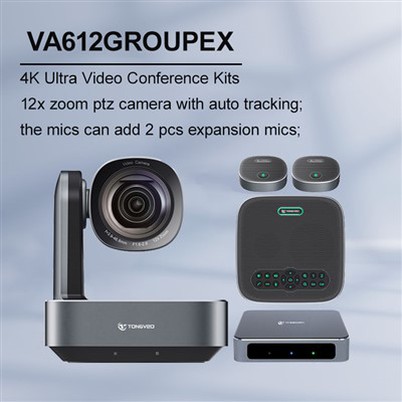
- Zoom Meetings: In a Zoom meeting, a clear and well - lit video can make a big difference. Our video tv camera for conference zoom meeting can be adjusted to provide the best possible image. Proper gain adjustment will prevent your face from looking too dark or too noisy.
Conclusion
Adjusting the gain on a Blackmagic PTZ camera is a skill that can significantly improve the quality of your video footage. By understanding the concept of gain, performing pre - adjustment checks, and following the proper adjustment steps, you can achieve optimal results in various shooting scenarios. Whether you're using the camera for professional video conferencing, church live streaming, or Zoom meetings, taking the time to adjust the gain will make a noticeable difference in the final output.
If you're interested in purchasing a Blackmagic PTZ camera or have any questions about gain adjustment or our products, please feel free to contact us for a procurement discussion. We're here to help you find the best camera solution for your needs.
References
- Blackmagic Design Camera User Manuals
- Professional Photography and Videography Guides