How does a 1080p conference cam's autofocus work in different scenarios?
Leave a message

Hey there! As a supplier of 1080p conference cams, I'm super stoked to dive into how the autofocus feature of these nifty devices works in different scenarios. Autofocus is like the unsung hero of a great video - conferencing experience, and understanding how it functions can really level up your meetings.
Let's start with the basics. Autofocus in a 1080p conference cam is all about keeping the subject sharp and clear. It uses a combination of sensors and algorithms to detect where the focus needs to be and then adjusts the lens accordingly.
Small Conference Rooms
In a small conference room, say with a group of 2 - 5 people sitting around a table, the autofocus has it pretty easy. Most of the time, everyone is within a relatively short distance from the camera. The cam's autofocus system typically uses contrast - based autofocus. It analyzes the contrast in the image. When the contrast is at its highest, that's when the image is in focus.
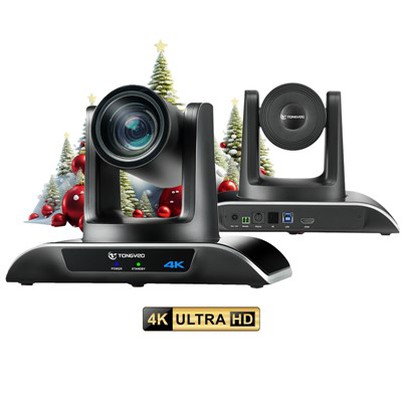
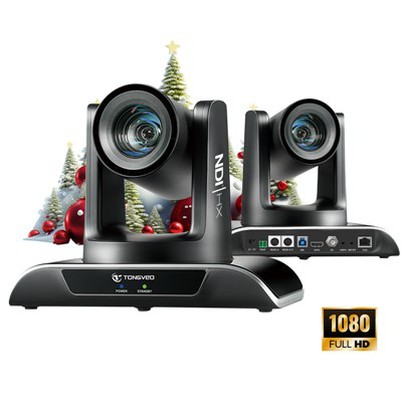
For example, if you're having a meeting and someone leans in to grab a pen, the camera quickly detects the change in the contrast around that person. The autofocus system then adjusts the lens to keep that person sharp. Our Conference Room Call Video Camera is a champ in these small - scale settings. It can adapt to the movements of individuals in a flash, ensuring that no one gets blurry, even during those quick hand gestures or body shifts.
Large Conference Halls
Now, things get a bit more challenging in large conference halls. There could be dozens of people spread out over a large area. Here, the autofocus often switches to a hybrid autofocus system that combines phase - detection and contrast - based autofocus.
Phase - detection autofocus is like a super - fast tracker. It can quickly estimate the distance to the subject. In a large hall, it can detect the position of different individuals or groups. Once it has a rough idea of the distance, the contrast - based autofocus kicks in to fine - tune the focus. This two - step process allows the camera to handle the large depth of field in a big hall.


Our USB Camera For Video Conferencing System is designed to take on these large - scale challenges. It can maintain a sharp focus on multiple people at different distances simultaneously. Whether it's someone sitting at the front row or a person at the back near the exit, the autofocus ensures that everyone is clearly visible.
Unstructured Meeting Spaces
Unstructured meeting spaces, like an open - plan office area or a lounge, can be a real test for autofocus. People might be standing, sitting on couches, or walking around freely. In these scenarios, the autofocus needs to be really agile.
Many 1080p conference cams use face - detection technology in combination with autofocus. The camera first detects human faces in the frame. Once it identifies a face, it prioritizes focusing on it. Even if someone is walking across the room, the camera can track their face and keep it in focus.
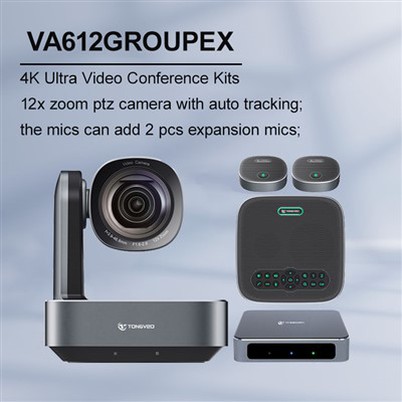
Our Pan Tilt USB PTZ Camera for Video Zoom Conferencing is amazing in these unstructured settings. It can pan and tilt to follow the movement of people. The autofocus works hand - in - hand with the camera's movement, so no matter where people are in the room, they stay in sharp focus.
Low - Light Scenarios
Low - light situations can throw a curveball at autofocus systems. In dimly lit rooms, the contrast in the image is reduced, which makes it harder for contrast - based autofocus to work effectively. However, modern 1080p conference cams have some tricks up their sleeves.
Some cameras use infrared (IR) assist for autofocus in low - light. The IR light is emitted by the camera, and the autofocus system uses the reflection of this light to calculate the distance to the subject. This way, even in a dark room, the camera can still achieve a good focus.
Our conference cams are equipped with advanced low - light autofocus technology. They can adjust the aperture and ISO settings along with the autofocus to capture clear and sharp images, even when the lights are down low.
Outdoor Settings
Taking video conferences outdoors adds another layer of complexity. The lighting can be unpredictable, and there are often a lot of distractions in the background. The autofocus needs to be able to distinguish between the main subjects and the background clutter.
In outdoor settings, the autofocus often relies on edge - detection. It looks for sharp edges in the image, which usually indicate the boundaries of the subject. Once it identifies the edges of the main subjects, it focuses on them. Our cameras are built to handle the outdoor elements. They can filter out the background noise and keep the focus on the people in the foreground.
Why Our 1080p Conference Cams Shine
We've spent a lot of time and effort perfecting the autofocus technology in our 1080p conference cams. Our engineers have fine - tuned the algorithms to ensure that the autofocus is fast, accurate, and reliable in all these different scenarios.
Whether you're in a small meeting room, a large conference hall, an unstructured office space, a low - light environment, or even outdoors, our cameras can deliver a top - notch video - conferencing experience. The autofocus adapts seamlessly to the changing conditions, so you don't have to worry about blurry images or out - of - focus subjects.
Let's Talk Business
If you're in the market for a high - quality 1080p conference cam with outstanding autofocus capabilities, we'd love to hear from you. Whether you're a small business looking for a cost - effective solution for your team meetings or a large corporation in need of a robust conferencing setup, we've got the right product for you. Reach out to us for a consultation and let's discuss how our conference cams can meet your specific needs.
References
- "Digital Camera Autofocus Systems" - A technical guide on different autofocus mechanisms in cameras.
- "Video Conferencing Best Practices" - A collection of tips and insights on optimizing video - conferencing equipment, including autofocus.