Do PTZ video cameras for churches work well in low - light conditions?
Leave a message

Hey there, folks! As a supplier of PTZ video cameras for churches, I've gotten tons of questions about how these cameras perform in low-light conditions. It's a super important topic, especially since many churches have dimly lit interiors, and capturing clear, high - quality footage is crucial for live streaming services, recording sermons, or just having a good archive of events.
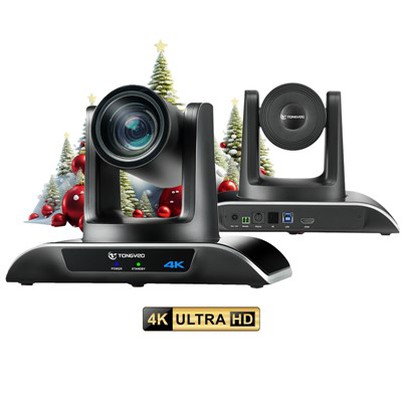
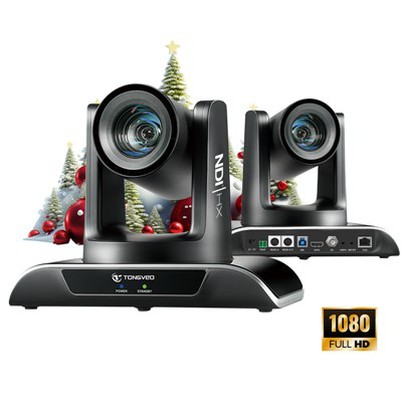
Let's first understand what PTZ cameras are. PTZ stands for Pan, Tilt, and Zoom. These cameras can move horizontally (pan), vertically (tilt), and zoom in and out, which gives you a lot of flexibility in framing the shot. They're great for churches because they can cover a large area, follow the pastor as they move around the pulpit, or focus on the choir.
Now, when it comes to low - light conditions, there are several factors that determine how well a PTZ camera will work.
Sensor Size
One of the most important factors is the sensor size. A larger sensor can capture more light. Think of it like a bucket collecting water. A bigger bucket can catch more water in the same amount of time. Similarly, a larger sensor can gather more light photons, which results in a brighter and clearer image. Many high - end PTZ cameras for churches come with relatively large sensors, which gives them an edge in low - light situations. For example, some models use 1/2.8 - inch or even 1/1.8 - inch sensors. These larger sensors are better at picking up light in dimly lit environments compared to smaller ones.
Low - Light Enhancement Technologies
Camera manufacturers are constantly coming up with new technologies to improve low - light performance. For instance, some cameras use noise reduction algorithms. In low - light conditions, the image can get grainy or noisy, which reduces the overall quality. Noise reduction algorithms analyze the image and try to remove this unwanted noise while keeping the important details intact.
Another cool technology is backlight compensation. In a church, you might have a situation where there's a bright window behind the subject, and this can cause the subject to be underexposed. Backlight compensation adjusts the exposure settings to make sure the subject remains well - lit.
Lens Quality
The lens of the PTZ camera also plays a huge role. A high - quality lens will allow more light to pass through to the sensor. Look for lenses with a low f - number. The f - number represents the aperture of the lens, and a lower f - number means a larger aperture. A larger aperture is like a wider door for light to enter. So, a lens with an f - number of f/1.8 or lower will let in more light than a lens with an f/2.8 aperture, resulting in better low - light performance.
Real - World Performance in Churches
I've had many customers share their experiences with using our PTZ cameras in churches' low - light settings. In most cases, the cameras have worked surprisingly well. For example, a small church in the countryside had an old building with limited lighting. They installed one of our cameras USB HD PTZ Video Conference Camera for live - streaming their Sunday services. At first, they were worried about the low - light conditions, but after some adjustment of the camera settings, the footage they got was quite clear. The sensor was able to pick up enough light, and the noise reduction feature kept the image looking clean.
However, it's not always a perfect situation. In some really large churches with extremely dim lighting, they might need to use additional lighting sources to get the best results. Sometimes, just relying on the camera's low - light capabilities isn't enough, especially if you're aiming for broadcast - quality footage.
Comparison with Different Camera Types
If you're considering other types of cameras for your church, let's compare PTZ cameras with fixed - position cameras. Fixed - position cameras are cheaper and easier to set up, but they lack the flexibility of PTZ cameras. In terms of low - light performance, fixed - position cameras can be hit or miss. Some might have good sensors, but without the ability to pan, tilt, and zoom, it can be difficult to get the right shot in a large, dim church.
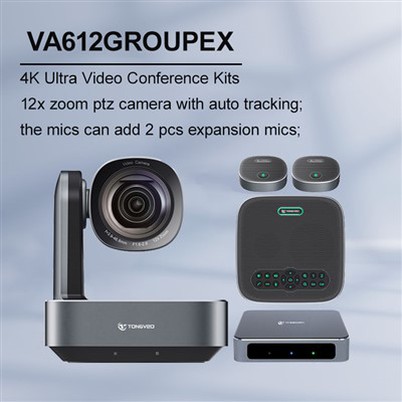
On the other hand, Conference Room Call Video Camera which are often used in more professional settings, can also be used in churches. These cameras are designed to work well in various lighting conditions, including low - light. They usually come with advanced features and better image processing capabilities. But they can be more expensive and might be overkill for some small churches.


What to Look for When Buying
If you're in the market for a PTZ camera for your church and low - light performance is a key concern, here are a few things to look out for:
- Technical Specifications: Check the sensor size, f - number of the lens, and the camera's low - light rating. Most manufacturers will provide this information on their product pages.
- Reviews: Look for reviews from other churches or users who have used the camera in low - light situations. Real - world experiences can give you a better idea of how well the camera will work.
- Budget: Of course, your budget plays a big role. You want to get the best camera you can afford, but don't sacrifice quality just to save a few bucks. Remember, a good camera will last you a long time and give you better results.
Conclusion
In conclusion, PTZ video cameras for churches can work well in low - light conditions, especially if they have the right features like large sensors, low - light enhancement technologies, and high - quality lenses. However, in some extreme cases, additional lighting might be necessary.
If you're looking for a hd camera for zoom microsoft teams meetings or a PTZ camera for your church, and you have questions about low - light performance or any other aspect, feel free to reach out. We're here to help you make the best decision for your church's needs. Whether it's for live streaming, recording, or just having a good visual archive of your events, we've got the right camera for you. Let's start a conversation and see how we can help you capture those precious moments in your church.
References
- Industry reports on camera technology and low - light performance
- Customer testimonials from churches using PTZ video cameras