Do daisy chain microphones have a long - term reliability?
Leave a message

In the dynamic landscape of audio technology, daisy chain microphones have emerged as a game - changer, especially in settings like large conference rooms, lecture halls, and multi - person recording studios. As a supplier of daisy chain microphones, I am often asked about their long - term reliability. This blog post aims to delve deep into this topic, analyzing various factors that contribute to or challenge the long - term performance of these innovative audio devices.
Understanding Daisy Chain Microphones
Before we discuss reliability, it's essential to understand what daisy chain microphones are. Daisy chaining is a method of connecting multiple devices in a series, where each device is connected to the next one. In the context of microphones, a daisy chain setup allows you to connect several microphones together using a single cable, reducing cable clutter and simplifying the installation process. This setup is particularly useful in scenarios where multiple audio sources need to be captured simultaneously. For instance, in a large conference room with participants sitting around a long table, daisy chain microphones can be placed at regular intervals and connected in a chain to capture the voices of all attendees clearly.
Factors Affecting Long - Term Reliability
Build Quality
The build quality of daisy chain microphones is a crucial factor in determining their long - term reliability. High - quality materials and robust construction ensure that the microphones can withstand the rigors of regular use. For example, microphones with a durable metal housing are less likely to be damaged by accidental knocks or drops compared to those with a plastic casing. Additionally, the internal components, such as the microphone capsules and circuit boards, should be of high quality to ensure consistent performance over time. At our company, we source the best materials and use advanced manufacturing techniques to ensure that our daisy chain microphones are built to last.
Environmental Conditions
The environment in which the daisy chain microphones are used can significantly impact their long - term reliability. Extreme temperatures, high humidity, and exposure to dust and dirt can all cause damage to the microphones. For example, in a hot and humid environment, the moisture can corrode the internal components of the microphone, leading to a degradation in performance. On the other hand, in a dusty environment, the dust particles can clog the microphone capsules, reducing their sensitivity. To mitigate these risks, it's important to choose daisy chain microphones that are designed to operate in a wide range of environmental conditions. Our microphones are tested to ensure they can perform reliably in temperatures ranging from - 20°C to 60°C and humidity levels up to 90%.
Electrical Interference
Electrical interference is another factor that can affect the long - term reliability of daisy chain microphones. In a modern office or recording studio, there are numerous electrical devices that can generate electromagnetic interference (EMI), such as computers, fluorescent lights, and Wi - Fi routers. This interference can cause unwanted noise and distortion in the audio signal, degrading the overall performance of the microphones. To minimize the impact of EMI, our daisy chain microphones are equipped with shielding technology that helps to block out external electromagnetic fields.
Software and Firmware Updates
In today's digital age, software and firmware play a vital role in the performance of audio devices. Regular software and firmware updates can improve the functionality, stability, and reliability of daisy chain microphones. These updates can fix bugs, add new features, and optimize the audio processing algorithms. As a supplier, we are committed to providing regular updates for our microphones to ensure that our customers always have access to the latest technology and the best possible performance.
Real - World Examples of Long - Term Reliability
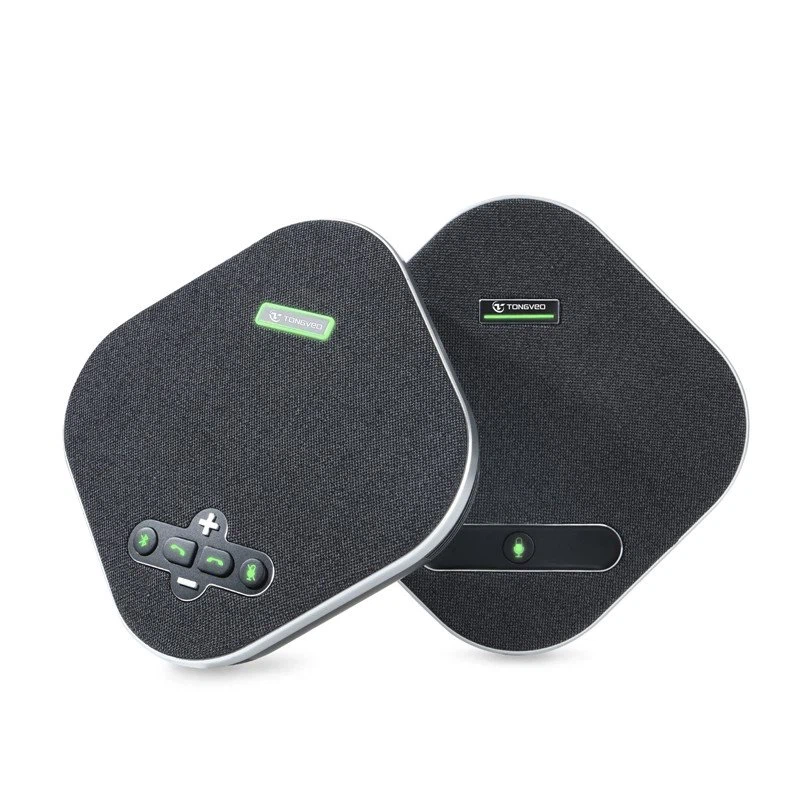
To illustrate the long - term reliability of daisy chain microphones, let's look at some real - world examples. Many of our customers have been using our daisy chain microphones in their conference rooms for several years without any major issues. For instance, a large multinational company has been using our USB Omnidirectional Conference Microphone in their global meeting rooms for over five years. Despite the frequent use and different environmental conditions in various locations, the microphones have continued to deliver high - quality audio.
Testing and Quality Assurance
At our company, we have a rigorous testing and quality assurance process to ensure the long - term reliability of our daisy chain microphones. Before a microphone is released to the market, it undergoes a series of tests, including acoustic performance tests, durability tests, and environmental tests. We also conduct long - term reliability tests, where the microphones are continuously used for several months to simulate real - world usage scenarios. This allows us to identify and address any potential issues before the microphones reach our customers.
Conclusion
In conclusion, daisy chain microphones can have excellent long - term reliability if they are well - designed, built with high - quality materials, and used in appropriate environmental conditions. As a supplier, we are dedicated to providing our customers with reliable and high - performance daisy chain microphones. We understand the importance of long - term reliability in the audio industry, and we are committed to continuously improving our products to meet the evolving needs of our customers.
If you are interested in our daisy chain microphones and would like to discuss your specific requirements, please feel free to reach out to us. We are more than happy to assist you in finding the perfect audio solution for your needs.
References
- "Audio Engineering Handbook" by Richard C. Dorf
- "Microphone Technology: Principles and Applications" by David M. M. Rayborn