Do conference cameras support simultaneous connection to multiple devices?
Leave a message

In today's fast - paced business world, video conferencing has become an essential tool for communication, collaboration, and conducting meetings across geographical boundaries. As a conference camera supplier, I am often asked about the capabilities of our cameras, especially regarding whether they support simultaneous connection to multiple devices. This blog post aims to delve into this topic in detail.
Understanding the Basics of Conference Cameras
Conference cameras are designed to capture high - quality video and audio during meetings, webinars, and other collaborative events. They come in various forms, such as USB - connected cameras, PoE (Power over Ethernet) cameras, and wireless cameras. The key features of a good conference camera include high - resolution video capture, wide - angle lenses, and excellent audio pickup.
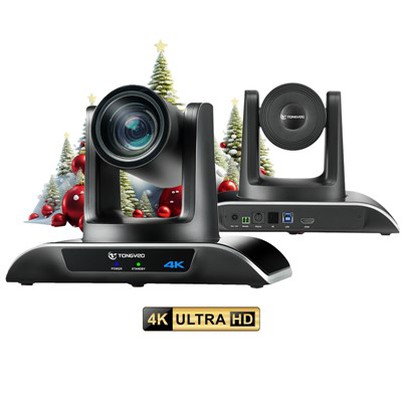
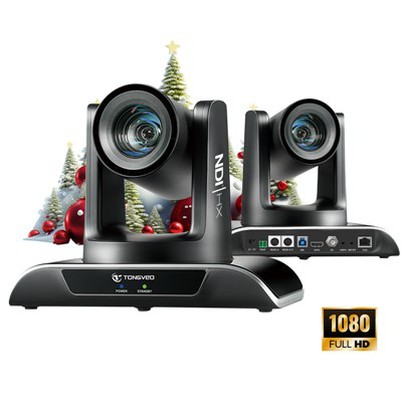
For example, our Fhd 1920x1080 Video Camera offers sharp and clear video with a resolution of 1920x1080, which is ideal for both small and medium - sized conference rooms. It provides a seamless video conferencing experience, ensuring that every participant can be seen clearly.
The Concept of Simultaneous Connection to Multiple Devices
The ability of a conference camera to connect to multiple devices simultaneously is a highly desirable feature. It allows for greater flexibility in setting up a video conferencing environment. For instance, in a large meeting room, you might want to connect the camera to multiple computers or tablets so that different teams or individuals can access the camera feed independently.
There are several scenarios where simultaneous connection to multiple devices can be beneficial:
- Multi - platform usage: In an organization, different departments may use different operating systems or video conferencing platforms. A camera that can connect to multiple devices simultaneously can be used across these different platforms without the need for constant re - connection.
- Backup and redundancy: By connecting the camera to multiple devices, you can ensure that if one device fails, the video feed can still be accessed from another device. This provides a reliable backup solution for important meetings.
- Enhanced collaboration: Multiple users can view the camera feed on their own devices, which can facilitate better collaboration. For example, in a design meeting, designers can share the camera feed on their individual tablets to discuss details more effectively.
Technical Considerations for Simultaneous Connection
However, achieving simultaneous connection to multiple devices is not without its technical challenges. There are several factors that need to be considered:
- Bandwidth requirements: Each device connected to the camera requires a certain amount of bandwidth to receive the video feed. If the bandwidth is insufficient, the video quality may degrade, resulting in a choppy or pixelated image. Therefore, a high - speed and stable network connection is essential.
- Compatibility: The camera needs to be compatible with different types of devices and operating systems. This includes Windows, macOS, iOS, and Android. Ensuring compatibility across these platforms can be a complex task, as each operating system has its own set of drivers and protocols.
- Power management: Connecting multiple devices to a camera may increase the power consumption. The camera needs to be able to handle the additional power requirements without overheating or experiencing other power - related issues.
Our Conference Cameras and Simultaneous Connection
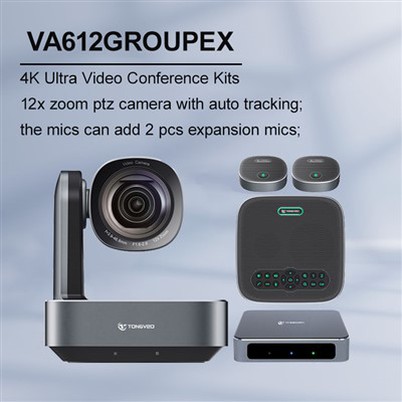
As a conference camera supplier, we have invested significant resources in developing cameras that support simultaneous connection to multiple devices. Our Conference Large Room Skype Camera is specifically designed for large - scale conference rooms and can be connected to multiple devices simultaneously.
This camera uses advanced technology to manage bandwidth efficiently, ensuring that the video quality remains high even when connected to multiple devices. It also comes with universal drivers that are compatible with a wide range of operating systems, making it easy to set up and use across different platforms.


In addition, our 360 degree conference camera for smart tv offers a unique 360 - degree view, which is perfect for large meeting rooms. It can be connected to multiple smart TVs or other devices, allowing participants to view the entire room from different angles.
Testing and Validation
Before launching our cameras in the market, we conduct extensive testing to ensure that they can support simultaneous connection to multiple devices. We test the cameras under different network conditions, with various types of devices, and using different video conferencing platforms.
Our testing process includes:
- Bandwidth testing: We simulate different network speeds to determine the minimum bandwidth required for each device to receive a high - quality video feed. This helps us optimize the camera's performance under different network conditions.
- Compatibility testing: We test the camera with a wide range of devices and operating systems to ensure compatibility. This includes testing with the latest versions of Windows, macOS, iOS, and Android.
- Long - term stability testing: We run the camera for an extended period of time while connected to multiple devices to check for any stability issues, such as overheating or power failures.
Future Developments in Conference Camera Technology
The demand for conference cameras that support simultaneous connection to multiple devices is expected to grow in the future. As technology continues to evolve, we can expect to see even more advanced features and capabilities.
One area of development is the integration of artificial intelligence (AI) and machine learning (ML) into conference cameras. These technologies can be used to optimize the video feed, improve audio quality, and even detect and track participants in the room.
Another trend is the development of wireless conference cameras with even higher speeds and greater range. This will further enhance the flexibility of setting up a video conferencing environment, allowing for easier connection to multiple devices without the need for cables.
Conclusion
In conclusion, the ability of a conference camera to connect to multiple devices simultaneously is a valuable feature that offers greater flexibility, reliability, and collaboration in a video conferencing environment. As a conference camera supplier, we are committed to providing high - quality cameras that meet the needs of our customers.
Our cameras, such as the Fhd 1920x1080 Video Camera, Conference Large Room Skype Camera, and 360 degree conference camera for smart tv, are designed to support simultaneous connection to multiple devices while ensuring high - quality video and audio.
If you are interested in learning more about our conference cameras or have any questions regarding simultaneous connection to multiple devices, please feel free to contact us for a detailed discussion and potential procurement. We look forward to serving you and helping you create an outstanding video conferencing environment.
References
- Industry reports on video conferencing technology trends.
- Technical specifications of our conference cameras.
- Case studies of successful video conferencing setups using our cameras.