Do 1080p conference cameras support multiple device connections?
Leave a message

In today's digital age, video conferencing has become an integral part of both business and personal communication. As a leading supplier of 1080p conference cameras, I often receive inquiries about the compatibility and connectivity capabilities of our products. One of the most common questions is whether 1080p conference cameras support multiple device connections. In this blog post, I will delve into this topic, providing detailed insights and information to help you make an informed decision.
Understanding 1080p Conference Cameras
Before we discuss multiple device connections, let's first understand what 1080p conference cameras are. A 1080p conference camera refers to a camera that can capture and transmit video at a resolution of 1920x1080 pixels. This high-definition resolution ensures clear and sharp video quality, making it ideal for video conferencing, online meetings, and remote collaboration.
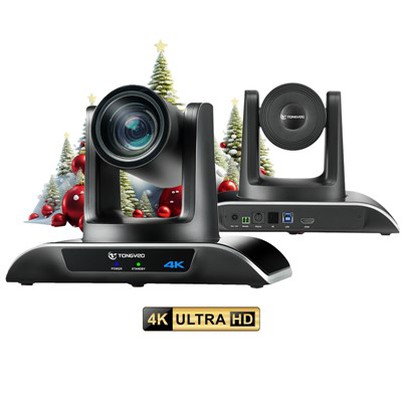
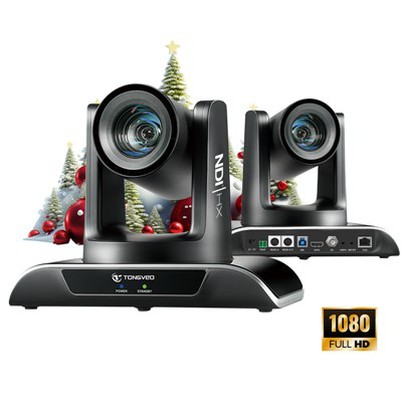
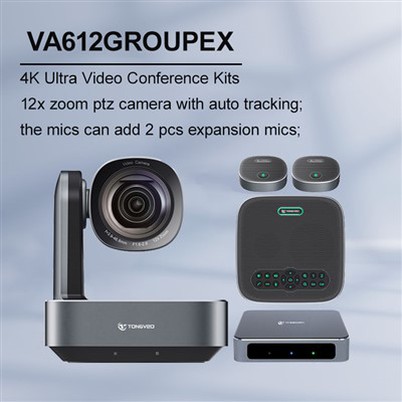
Our company offers a range of 1080p conference cameras, including the USB HD PTZ Video Conference Camera and the Full HD USB PTZ Video Conference. These cameras are equipped with advanced features such as pan-tilt-zoom (PTZ) functionality, autofocus, and wide-angle lenses, providing users with a flexible and immersive video conferencing experience.
Multiple Device Connections: Is it Possible?
The short answer is yes, many 1080p conference cameras support multiple device connections. However, the specific capabilities may vary depending on the camera model and its features. Here are some common ways in which 1080p conference cameras can be connected to multiple devices:
USB Connectivity
Most 1080p conference cameras come with a USB interface, which allows them to be easily connected to a computer or laptop. This is the most common method of connecting a conference camera, as it provides a simple and straightforward way to use the camera with video conferencing software such as Zoom, Microsoft Teams, and Google Meet.
In some cases, a single conference camera can be connected to multiple computers or laptops simultaneously using a USB hub. This allows multiple users to share the same camera for video conferencing, which can be useful in situations where multiple people are participating in a meeting from different locations.
Wireless Connectivity
Some 1080p conference cameras also support wireless connectivity, such as Wi-Fi or Bluetooth. This allows the camera to be connected to multiple devices without the need for cables, providing greater flexibility and mobility.
For example, a wireless conference camera can be connected to a smartphone, tablet, or smart TV, allowing users to join video conferences from different devices. This can be particularly useful for remote workers or individuals who need to participate in meetings on the go.
Network Connectivity
In addition to USB and wireless connectivity, some 1080p conference cameras support network connectivity, such as Ethernet or Power over Ethernet (PoE). This allows the camera to be connected to a local area network (LAN) or a wide area network (WAN), enabling it to be accessed and controlled remotely.
Network-connected conference cameras can be used in large-scale video conferencing systems, such as those used in corporate offices, educational institutions, and government agencies. These cameras can be integrated with other network devices, such as routers, switches, and video conferencing servers, to provide a seamless and efficient video conferencing experience.
Considerations for Multiple Device Connections
While 1080p conference cameras can support multiple device connections, there are some important considerations to keep in mind when setting up and using these connections:
Compatibility
Before connecting a conference camera to multiple devices, it is important to ensure that the camera is compatible with the devices and the video conferencing software being used. This may require checking the camera's specifications and the system requirements of the software.
For example, some video conferencing software may only support certain camera models or require specific drivers to be installed. It is also important to ensure that the devices being used have the necessary ports and interfaces to connect to the camera.
Bandwidth
When connecting multiple devices to a conference camera, it is important to consider the bandwidth requirements of the video conferencing system. Video conferencing can consume a significant amount of bandwidth, especially when using high-definition video and audio.
If the bandwidth is limited, it may be necessary to adjust the video quality or reduce the number of devices connected to the camera to ensure a smooth and stable video conferencing experience.
Security
When connecting a conference camera to multiple devices, it is important to ensure that the connections are secure. This may require using encryption technologies, such as WPA2 or WPA3, to protect the data transmitted between the camera and the devices.
It is also important to ensure that the devices being used are protected by antivirus software and firewalls to prevent unauthorized access and data breaches.
Our Recommendation
As a supplier of 1080p conference cameras, we recommend the zoom meeting conference back camera for microsoft teams for users who need to connect multiple devices to a single camera. This camera is equipped with advanced features such as PTZ functionality, autofocus, and wide-angle lenses, providing users with a flexible and immersive video conferencing experience.
In addition, the camera supports multiple device connections through USB, wireless, and network connectivity, making it suitable for a wide range of video conferencing applications. Whether you are a small business owner, a remote worker, or an educational institution, this camera can help you stay connected and productive.
Conclusion
In conclusion, 1080p conference cameras can support multiple device connections through USB, wireless, and network connectivity. This provides users with greater flexibility and mobility, allowing them to participate in video conferences from different devices and locations.
However, when setting up and using multiple device connections, it is important to consider the compatibility, bandwidth, and security requirements of the video conferencing system. By choosing the right camera and following the best practices for connectivity, you can ensure a smooth and efficient video conferencing experience.
If you are interested in learning more about our 1080p conference cameras or have any questions about multiple device connections, please feel free to contact us. We would be happy to provide you with more information and help you choose the right camera for your needs.


References
- "Video Conferencing: A Comprehensive Guide." TechTarget.
- "How to Choose the Right Conference Camera." PCMag.
- "Best Video Conferencing Cameras for 2023." CNET.