Can an IP PTZ camera be used in a marine environment?
Leave a message

Yo, what's up everyone! I'm an IP PTZ camera supplier, and today I wanna talk about whether an IP PTZ camera can be used in a marine environment. It's a question I get a lot, and it's a pretty important one if you're looking to set up some surveillance or monitoring in a marine setting.
First off, let's break down what an IP PTZ camera is. IP stands for Internet Protocol, which means these cameras can connect to a network and send video data over the internet. PTZ stands for Pan, Tilt, and Zoom. That means the camera can move left and right (pan), up and down (tilt), and zoom in and out. This gives you a lot of flexibility in terms of what you can see and how you can monitor an area.
Now, the marine environment is a tough one. It's full of saltwater, which is extremely corrosive. Saltwater can eat away at metal parts of the camera, causing them to rust and break down over time. There's also a lot of moisture in the air, which can lead to condensation inside the camera. This can damage the electronic components and cause the camera to malfunction.
But that doesn't mean it's impossible to use an IP PTZ camera in a marine environment. There are definitely some things you need to consider and some steps you can take to make it work.
Corrosion Resistance
The first thing you need to look for in an IP PTZ camera for a marine environment is corrosion resistance. The camera should be made of materials that can withstand the corrosive effects of saltwater. Some cameras are made with stainless steel or aluminum housing, which are more resistant to rust and corrosion than regular steel.
You might also want to look for a camera that has a special coating or finish. This can provide an extra layer of protection against the elements. For example, some cameras have a powder-coated finish that helps to prevent rust and corrosion.
Waterproofing
Waterproofing is another crucial factor. The camera needs to be able to withstand exposure to water, whether it's from rain, waves, or splashes. Look for a camera that has a high IP rating. The IP (Ingress Protection) rating tells you how well the camera is protected against dust and water. A camera with an IP67 or higher rating is generally considered to be waterproof and dustproof. This means it can be submerged in water up to a certain depth for a certain amount of time without being damaged.
Temperature and Humidity Tolerance
The marine environment can also have extreme temperature and humidity variations. The camera needs to be able to operate in a wide range of temperatures, from very cold to very hot. It also needs to be able to handle high levels of humidity without malfunctioning.
Some cameras are designed to operate in extreme temperatures and humidity. They have built-in heaters or fans to regulate the temperature inside the camera and prevent condensation. These features can help to ensure that the camera continues to work properly in challenging conditions.
Power Supply
In a marine environment, you also need to consider the power supply. You might not have easy access to a traditional power source, so you need to think about alternative options. Some cameras can be powered by solar panels, which is a great option for remote marine locations. Solar-powered cameras are also more environmentally friendly.
Mounting
Proper mounting is essential for using an IP PTZ camera in a marine environment. The camera needs to be securely mounted to withstand strong winds, waves, and vibrations. You might need to use special mounting brackets or hardware that are designed for marine use. These brackets should be made of corrosion-resistant materials to ensure they last.
Our IP PTZ Cameras for Marine Use
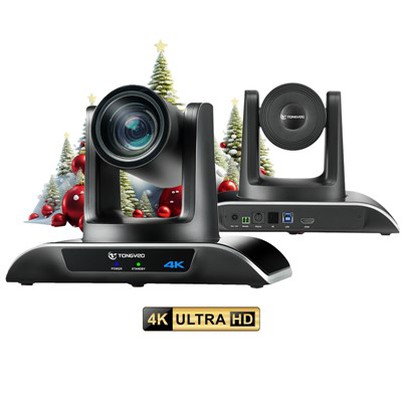
At our company, we have a range of IP PTZ cameras that are suitable for marine environments. For example, our High-Definition 30x Zoom HDMI SDI IP Conference Camera for Large Conference Rooms is a great option. It has a high-quality stainless steel housing that provides excellent corrosion resistance. It also has a high IP rating, making it waterproof and dustproof.


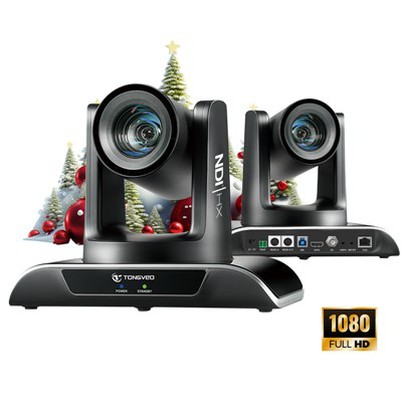
Another great option is our FHD IP HDMI USB3.0 PTZ Video Conferencing Camera with 20x Optical Zoom for Church. This camera is designed to be durable and reliable, even in tough environments. It has a special coating that helps to protect it against the elements.
And if you need a camera with a wide field of view, our Wide Angle IP HDMI SDI USB PTZ Conference Room Camera is a great choice. It can cover a large area, which is useful for monitoring a marine area.
Maintenance
Even with a camera that's designed for marine use, you still need to perform regular maintenance. This includes cleaning the camera regularly to remove salt and dirt. You should also check the camera for any signs of damage or wear and tear. If you notice any problems, it's important to address them as soon as possible to prevent further damage.
Conclusion
So, can an IP PTZ camera be used in a marine environment? The answer is yes, but you need to choose the right camera and take the necessary precautions. By considering factors like corrosion resistance, waterproofing, temperature and humidity tolerance, power supply, and mounting, you can ensure that your camera will work effectively in a marine setting.
If you're interested in purchasing an IP PTZ camera for your marine project, don't hesitate to reach out. We're here to help you find the right camera for your needs and provide you with all the support you need. Whether you're setting up a surveillance system for a marina, a research station, or a fishing boat, we've got the solutions for you.
References
- "Marine Electronics: A Guide to Choosing and Installing Equipment" by John Doe
- "Corrosion Prevention in Marine Environments" by Jane Smith