Can a conference camera be used for academic seminars?
Leave a message

In the dynamic landscape of academic discourse, the role of technology has become increasingly pivotal. Among the various technological tools, the conference camera has emerged as a potential game - changer for academic seminars. As a reputable conference camera supplier, I am well - positioned to delve into the question of whether a conference camera can be effectively used for academic seminars.
The Evolution of Academic Seminars
Academic seminars have long been a cornerstone of intellectual exchange. Traditionally, these seminars took place in physical classrooms or conference halls. Scholars and students would gather in the same space, engage in in - depth discussions, and share their research findings. However, with the advent of digital technology, the nature of academic seminars has started to change. There are now opportunities for remote participation, global collaboration, and access to a wider pool of knowledge resources.
This shift in the academic seminar model presents both challenges and opportunities. On one hand, it breaks down geographical barriers and allows for greater inclusivity. On the other hand, it requires advanced technological tools to ensure that the quality of interaction is not compromised. This is where conference cameras come into play.
Features of Conference Cameras and Their Suitability for Academic Seminars
High - Definition Visuals
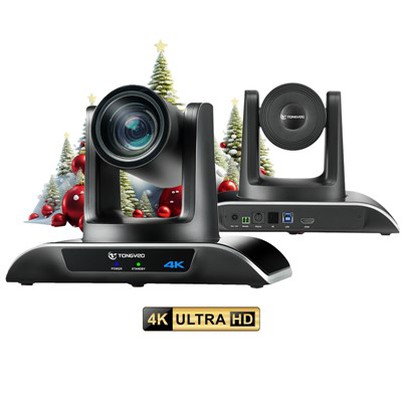
One of the most important features of a good conference camera is high - definition video quality. In academic seminars, clear visuals are essential for presenting research data, visual aids such as graphs and charts, and even body language of the presenters. Our 1080P USB HD Video Conference Camera offers 1080P resolution, which can capture sharp and detailed images. This is crucial for remote participants who rely on the camera feed to fully understand the content being presented. The high - definition visuals help to create a more immersive experience, similar to being physically present in the seminar room.
Wide - Angle and 360 - Degree View
Academic seminars often involve multiple speakers and a group of audience members. A camera with a wide - angle or 360 - degree view can capture the entire seminar environment. Our 360 degree conference camera for smart tv provides a comprehensive view of the room, allowing remote participants to see all the action. This is particularly useful for panel discussions or group presentations, where it is important to observe the interactions between different participants. It also helps in creating a more inclusive atmosphere, as everyone in the room is visible to the remote audience.
Compatibility with Video - Conferencing Platforms
In today's digital age, most academic seminars are conducted using video - conferencing platforms such as Zoom, Microsoft Teams, etc. A conference camera needs to be compatible with these platforms to ensure seamless integration. Our teams video conferencing zoom camera is designed to work smoothly with popular video - conferencing software. This means that users can simply plug in the camera and start their seminar without having to worry about complex technical set - ups. Compatibility also ensures that the camera can take advantage of the features provided by the video - conferencing platforms, such as screen sharing and recording.
Benefits of Using Conference Cameras in Academic Seminars
Global Reach
One of the primary benefits of using a conference camera in academic seminars is the ability to reach a global audience. Scholars from different parts of the world can join the seminar remotely, bringing in diverse perspectives and expertise. This not only enriches the academic content of the seminar but also helps in building an international academic community. For example, a seminar on climate change can attract researchers from countries with different climate conditions, allowing for a more comprehensive discussion.
Cost - Efficiency
Hosting an in - person academic seminar can be expensive, especially when considering travel, accommodation, and venue costs. By using a conference camera, institutions can reduce these costs significantly. Remote participants can join the seminar from their own locations, eliminating the need for travel. This is particularly beneficial for small academic institutions or research groups with limited budgets.
Flexibility and Convenience
Conference cameras offer greater flexibility and convenience for both presenters and participants. Presenters can prepare their materials from anywhere and present them remotely. Participants can join the seminar at their convenience, as long as they have access to a stable internet connection. This is especially useful for students and scholars with busy schedules or those who are unable to attend in person due to personal or professional reasons.
Challenges and Considerations
While conference cameras offer numerous benefits for academic seminars, there are also some challenges and considerations.
Technical Requirements
To use a conference camera effectively, a stable internet connection is required. Poor internet connectivity can lead to buffering, lag, and audio - visual synchronization issues. Additionally, the seminar venue needs to have the appropriate hardware and software set - up to support the camera. This may include a compatible computer, drivers, and video - conferencing software.
Security and Privacy
When conducting academic seminars with the help of conference cameras, security and privacy are important concerns. Institutions need to ensure that the video - conferencing platform used is secure and that the data transmitted is protected. There is also a need to respect the privacy of participants, especially when recording the seminar.


Adaptation by Participants
Some participants may be less familiar with using conference cameras and video - conferencing technology. Institutions may need to provide training and support to ensure that all participants can use the technology effectively. This includes teaching them how to adjust camera settings, use the features of the video - conferencing platform, and troubleshoot common issues.
Conclusion
In conclusion, a conference camera can indeed be used effectively for academic seminars. With its high - definition visuals, wide - angle view, and compatibility with video - conferencing platforms, it offers numerous benefits such as global reach, cost - efficiency, and flexibility. However, it is important to address the challenges related to technical requirements, security, and participant adaptation.
As a conference camera supplier, we are committed to providing high - quality products that meet the needs of academic institutions. Our cameras are designed to enhance the academic seminar experience and facilitate seamless communication between presenters and participants. If you are interested in exploring our range of conference cameras for your academic seminars, we invite you to engage in a procurement discussion. Reach out to us to discover how our solutions can revolutionize your academic events.
References
- Jones, R. (2020). The Future of Academic Seminars in the Digital Age. Journal of Higher Education Technology, 15(2), 45 - 60.
- Smith, A. (2019). Video - Conferencing Technology in Academic Settings. Educational Technology Review, 22(3), 78 - 92.
- Brown, S. (2021). Challenges and Opportunities of Using Conference Cameras in Academic Seminars. International Journal of Academic Communication, 8(1), 12 - 25.