Can a 1080p webcam be used for astrophotography?
Leave a message

Can a 1080p webcam be used for astrophotography?
As a supplier of 1080p webcams, I've often been asked whether our webcams can be used for astrophotography. It's an interesting question that combines the worlds of everyday video communication and the awe - inspiring realm of the night sky. In this blog, I'll delve into the technical aspects, advantages, limitations, and practical considerations of using a 1080p webcam for astrophotography.
Technical Basics of 1080p Webcams
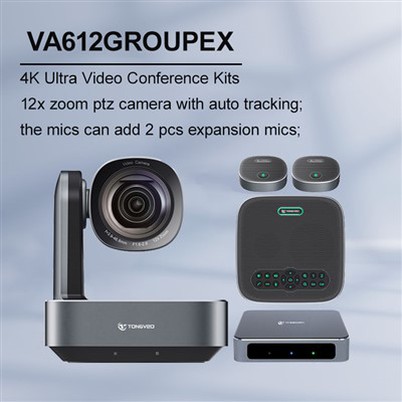
First, let's understand what a 1080p webcam is. A 1080p webcam typically has a resolution of 1920x1080 pixels, which means it can capture sharp and detailed images and videos. Most of our 1080p webcams, such as the Compact USB 3 - in - 1 Webcam with Microphone for Small Conference Rooms and PCs, are designed for video conferencing and general PC use. They usually come with a built - in image sensor, which is responsible for capturing light and converting it into digital signals.
The image sensors in 1080p webcams are generally of the CMOS (Complementary Metal - Oxide - Semiconductor) type. CMOS sensors are known for their low power consumption, fast read - out speeds, and relatively low cost. These sensors can capture a wide range of light intensities, but their performance in low - light conditions, such as astrophotography, is a subject of interest.

Advantages of Using a 1080p Webcam for Astrophotography
- Cost - Effectiveness
One of the most significant advantages of using a 1080p webcam for astrophotography is its cost. Compared to dedicated astrophotography cameras, which can cost hundreds or even thousands of dollars, a 1080p webcam is relatively inexpensive. Our Huddle Conference Camera, for example, offers a high - quality 1080p imaging solution at a fraction of the cost of specialized astro - cameras. This makes it an attractive option for amateur astronomers on a budget. - Ease of Use
1080p webcams are designed to be user - friendly. They can be easily connected to a computer via USB, and most operating systems have built - in drivers to recognize and use them. This simplicity means that even those new to astrophotography can quickly set up and start capturing images of the night sky. You don't need to have a deep understanding of complex camera settings or astronomical equipment to get started. - High Frame Rate
Many 1080p webcams can capture video at high frame rates, such as 30 frames per second (fps) or even 60 fps. This high frame rate is beneficial for astrophotography, especially when capturing moving objects like planets or meteors. By taking multiple frames in a short period, you can increase the chances of getting a clear and sharp image, and you can also stack these frames later to improve the overall quality of the final image.
Limitations of Using a 1080p Webcam for Astrophotography
- Low Light Sensitivity
The main limitation of 1080p webcams for astrophotography is their relatively low light sensitivity. Since these webcams are primarily designed for well - lit indoor environments, their sensors may not be as efficient at capturing the faint light from stars, galaxies, and nebulae. In astrophotography, the ability to collect as much light as possible is crucial, and 1080p webcams may struggle to do so compared to dedicated astro - cameras with larger sensors and higher sensitivity. - Noise
Another issue with 1080p webcams in low - light conditions is noise. Noise refers to the random variations in the image that are not part of the actual astronomical object being captured. In low - light situations, the noise level in a 1080p webcam image can be quite high, which can degrade the quality of the final image. This noise can make it difficult to distinguish fine details in celestial objects. - Limited Dynamic Range
Dynamic range is the ability of a camera to capture both the bright and dark areas of an image simultaneously. In astrophotography, there is often a large difference in brightness between the stars and the background sky. 1080p webcams typically have a limited dynamic range, which means that they may not be able to capture both the bright stars and the faint details in the surrounding sky without overexposing the stars or underexposing the background.
Practical Considerations for Astrophotography with a 1080p Webcam
- Mounting and Stability
To capture clear and sharp astrophotographs with a 1080p webcam, you need to ensure that the camera is properly mounted and stable. A tripod or a telescope mount can be used to keep the camera steady during long exposures. Any movement during the exposure can result in blurry images, so it's important to choose a stable mounting solution. - Software and Post - Processing
Using the right software is essential for astrophotography with a 1080p webcam. There are several free and paid software options available that can help you control the webcam, adjust the settings, and stack the captured frames to reduce noise and improve the image quality. Additionally, post - processing software like Adobe Photoshop or GIMP can be used to further enhance the final image, such as adjusting the contrast, color, and sharpness. - Location and Weather
The location and weather conditions play a crucial role in astrophotography. You should choose a location away from light pollution, such as a rural area or a dark sky reserve. Clear and dry weather is also necessary to ensure that the light from the celestial objects can reach the camera without being obstructed by clouds or moisture.
Conclusion
So, can a 1080p webcam be used for astrophotography? The answer is yes, but with some limitations. While 1080p webcams offer a cost - effective and user - friendly option for amateur astronomers, they may not provide the same level of performance as dedicated astrophotography cameras. However, with the right techniques, software, and patience, it is possible to capture some impressive images of the night sky using a 1080p webcam.
If you're interested in exploring the world of astrophotography with a 1080p webcam or have any questions about our products, we encourage you to contact us for procurement and further discussions. Our team of experts is always ready to assist you in finding the right webcam for your needs.

References
- "Astrophotography for Beginners" by Steve Richards
- "CMOS Image Sensors: Technology and Applications" by Brian A. Hosticka