Are daisy chain microphones good for choir performances?
Leave a message

As a supplier of Daisy Chain Microphones, I've had numerous discussions with choir directors, audio engineers, and performers about the suitability of these microphones for choir performances. In this blog post, I'll delve into the technical aspects, practical benefits, and potential drawbacks of using daisy chain microphones in choir settings.
Understanding Daisy Chain Microphones
Daisy chain microphones are a series of microphones connected in a sequential manner, similar to the links in a daisy chain. This setup allows multiple microphones to be connected to a single audio interface or mixer using a single cable. The daisy chain configuration simplifies the setup process, reduces cable clutter, and can potentially save on equipment costs.
One of the key advantages of daisy chain microphones is their ease of use. With a traditional microphone setup, each microphone requires its own cable to be connected to the mixer, which can quickly become a tangled mess. In contrast, daisy chain microphones can be connected in a linear fashion, with each microphone passing the audio signal to the next one in the chain. This not only reduces the amount of cable needed but also makes it easier to set up and break down the audio system.
Another benefit of daisy chain microphones is their scalability. Choir performances often involve a large number of singers, and it can be challenging to find enough inputs on a mixer to accommodate all the microphones. Daisy chain microphones allow you to connect multiple microphones to a single input, effectively increasing the number of available channels. This makes it possible to capture the sound of every singer in the choir without having to invest in a high - end mixer with a large number of inputs.
Technical Considerations for Choir Performances
When it comes to choir performances, there are several technical factors to consider when choosing microphones. The most important of these is the microphone's polar pattern. A polar pattern describes the microphone's sensitivity to sound from different directions.
Polar Patterns
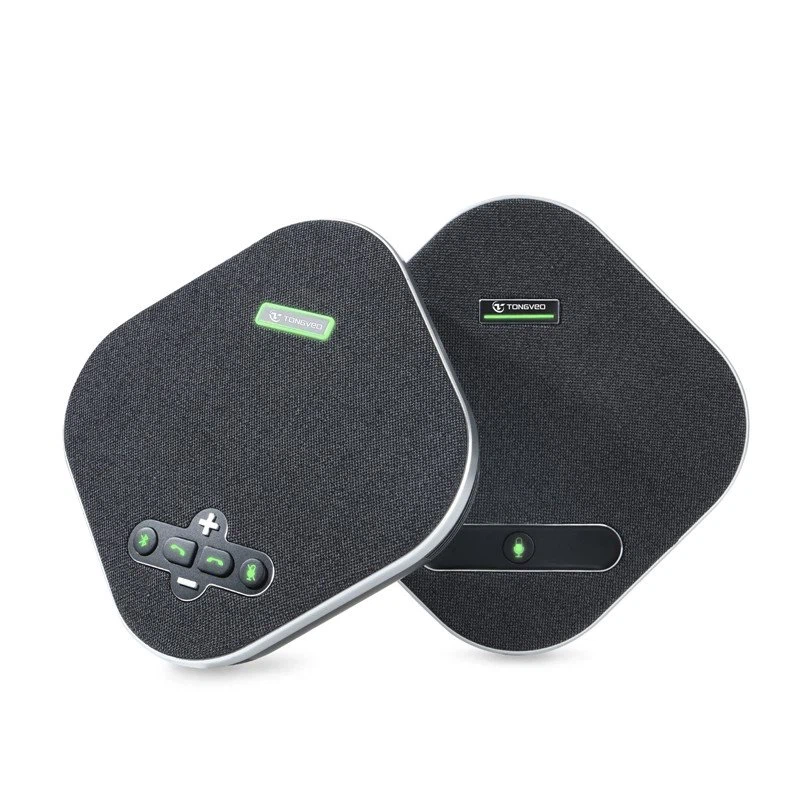
For choir performances, omnidirectional microphones are often a popular choice. Omnidirectional microphones pick up sound equally from all directions, which is ideal for capturing the full sound of a choir. They can pick up the rich harmonies and blended voices of the singers without favoring any particular direction. Our USB Omnidirectional Conference Microphone is a great example of a microphone with an omnidirectional polar pattern that can be used in daisy chain setups for choir performances.
Cardioid microphones, on the other hand, are more sensitive to sound from the front and less sensitive to sound from the sides and rear. While cardioid microphones can be useful for isolating individual singers or reducing background noise, they may not be the best choice for capturing the full sound of a large choir.
Frequency Response
The frequency response of a microphone is another important consideration. A good microphone for choir performances should have a flat frequency response across the range of human voice frequencies, typically from 20 Hz to 20 kHz. This ensures that the voices of the singers are reproduced accurately, without any unnatural boosts or cuts in certain frequencies.
Signal - to - Noise Ratio
The signal - to - noise ratio (SNR) of a microphone is a measure of how much of the audio signal is actual sound and how much is background noise. A high SNR is desirable for choir performances, as it ensures that the voices of the singers are clear and free from unwanted noise. Daisy chain microphones with a good SNR can help to capture the pure sound of the choir, even in less - than - ideal acoustic environments.
Practical Benefits of Daisy Chain Microphones in Choir Performances
Simplified Setup
As mentioned earlier, the daisy chain configuration simplifies the setup process. In a choir performance, time is often of the essence, and a quick and easy setup can make a big difference. With daisy chain microphones, you can connect multiple microphones to a single cable and then to the mixer, reducing the time and effort required to set up the audio system.
Reduced Cable Clutter
Cable clutter can be a major issue in a performance venue. Not only does it look messy, but it can also be a tripping hazard. Daisy chain microphones reduce the amount of cable needed, making the stage area cleaner and safer. This is especially important in a choir performance, where the singers need to move around freely.
Cost - Effectiveness
Daisy chain microphones can be a cost - effective solution for choir performances. Instead of purchasing multiple individual microphones and cables, you can use a daisy chain setup with fewer cables and a single audio interface or mixer input. This can save on equipment costs, especially for smaller choirs or community groups with limited budgets.
Potential Drawbacks of Daisy Chain Microphones
Signal Degradation
One of the potential drawbacks of daisy chain microphones is signal degradation. As the audio signal passes through each microphone in the chain, there is a risk of losing some of the signal strength or introducing noise. However, modern daisy chain microphones are designed to minimize this issue, and with proper cable management and the use of high - quality cables, the impact of signal degradation can be kept to a minimum.
Limited Distance
There is a limit to the length of the daisy chain that can be used without experiencing significant signal loss. If you need to cover a large area or have a large number of microphones in the chain, you may need to use signal boosters or repeaters to maintain the quality of the audio signal.
Conclusion
In conclusion, daisy chain microphones can be a great option for choir performances. They offer several practical benefits, such as simplified setup, reduced cable clutter, and cost - effectiveness. When it comes to technical performance, they can provide good sound quality, especially when using microphones with the right polar pattern, frequency response, and signal - to - noise ratio.
However, it's important to be aware of the potential drawbacks, such as signal degradation and limited distance. By understanding these issues and taking appropriate measures to mitigate them, you can ensure that your daisy chain microphone setup delivers excellent results for your choir performances.
If you're interested in learning more about our daisy chain microphones or discussing how they can be used for your choir performances, please don't hesitate to reach out. We're here to help you find the best audio solutions for your needs.
References
- "Microphone Handbook: The Technology and Application of Microphones" by Günter Lochnan
- "Audio Engineering: Principles and Practice" by Glen Ballou