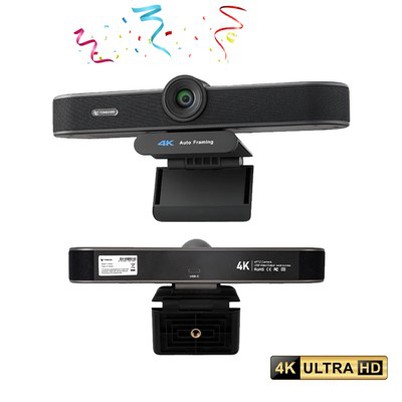
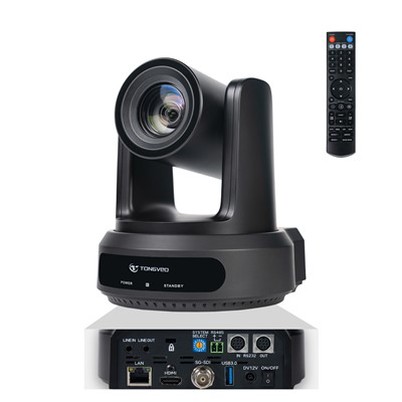
Ten problems of digital camera
Leave a message
1. Anti-glare
Never point the camera lens at the strong sun or other strong light source, because strong light will burn the camera tube. During the best moments of sunrise and sunset, or when there are clouds or leaves blocking most of the sun, it is allowed to shoot against the sun for not too long. Never let sunlight hit the viewfinder directly, as strong light can damage the viewfinder screen. When using lighting, there should be enough distance between the camera and the light to prevent strong light from directly shining on the camera. When the camera is not in use, it should be turned off immediately and put into a backpack to avoid exposure to light.
2. Anti-high temperature
Digital video cameras use CCD charge-coupled devices, which have limited high temperature resistance, so you cannot use digital video cameras to shoot directly at the sun or very strong lights, otherwise serious vertical smear will be formed on the image, which will affect the shooting quality. , the shooting time should be shortened as much as possible when there are special needs or can not be avoided. The case of the digital camera will be deformed when it is exposed to strong light or heat for a long time, so when using and storing, be careful not to expose the camera to strong light for a long time, and do not place the camera near heating pipes or electric heating equipment. Also, don't leave your camera in a car that's scorching hot from the sun. If the camera has to be out in the sun, use a tinted, sand-proof towel or foil-lined shade to protect from light.
3. Anti-low temperature
The camera is only adapted to work in temperatures between 0°C and 40°C. Cold protection measures should be taken when shooting in a low temperature environment. We can keep the camera at the right temperature by tucking it in a pocket, and carry a spare battery because the camera might stop working in cold temperatures, like warming up a car in cold weather. When the machine is brought from a cold place to a warmer room, or when the humidity of the machine workplace exceeds a certain value, the surface of the magnetic drum will become sticky due to condensation. At this time, if the machine is turned on, the tape will stick to the magnetic on the drum. Due to the relatively high-speed movement between the magnetic tape and the magnetic head, it is easy to damage the magnetic head and the magnetic tape at this time, and it is easy to cause machine failure. Therefore, it is necessary to wrap the camera in newspapers or plastic bags until the camera temperature rises to the indoor temperature before use.
4. Waterproof and moisture-proof
If a digital video camera is stored or operated in a high humidity environment, it will not only easily cause circuit failure, but also easily make the camera lens moldy. The video head is a wearable part and needs to be replaced regularly. However, the life of the video head depends not only on the material of the head, but also closely related to the air humidity in the operating environment. The higher the air humidity, the faster the video head wears out. Under normal circumstances, the magnetic head has the longest life when the relative humidity is 40%, which can reach 1000 hours. If you accidentally splash water, coffee or drink or even fall into the water during use, we should turn off the power immediately, then wipe the water stains on the fuselage, and then use a rubber blower to spray the slits of each part once. Finally, after a few hours of air-drying, test the camera for failure. Note: Do not rush to start the test immediately, otherwise it may cause a short circuit of the camera circuit.
In summer, when the camera is taken out of the air-conditioned room to a place with a high temperature without air-conditioning, the temperature difference will make the camera appear "cold", so the water vapor in the air will condense on the camera. This should be prevented. The method is: A few hours before extracting the camera, turn off the air conditioner in the room, let the room temperature rise, and open the lid of the case.
5. Anti-shock and anti-collision
A digital video camera is an optoelectronic device as well as a precise mechanical device. Any vibration, especially severe vibration and collision, will damage the device. Any electronic components of the digital video camera and important components that determine the image quality are damaged by vibration, which will seriously affect the operation of the digital video camera. Therefore, when shooting, it is necessary to keep the hand or the camera away from the camera to ensure that the camera will not collide with hard objects or fall, and it is best to put it back in the camera case or camera bag when not in use.
6. Anticorrosion
Digital cameras should be kept away from chemicals. When shooting in some chemical production factories or places with a lot of smoke, they should be wrapped in plastic bags and put in a ventilated place to blow for a while after use. When cleaning the camera, only use a dry, soft cloth, or moisten some soft detergent with a soft cloth, but do not use alcohol, petroleum ether and other dissolving liquids, because they will corrode the casing of the camera and damage the machine. Perfection in appearance.
7. Smoke and dust
Digital video cameras should work and be stored in a clean environment, which can reduce the possibility of failure caused by external dust, dirt, oil fume and other pollution. Because oil smoke, dust, etc. fall into the lens of the machine, it will affect the clarity of the camera and increase the inertia of the adjustment switch and knob. In addition, when the magnetic head and the tape move at relatively high speed, the dust falling on the magnetic head or the magnetic tape can damage the magnetic head and the magnetic tape like sand grains. In outdoor open areas, there will be a lot of wind and sand during shooting, and there may even be strong winds. Because the wind and sand can easily scratch the lens of the camera or penetrate into the focusing ring and other mechanical devices to cause damage, the lens should be covered with a protective cover at any time except when shooting. , it is best to remember to bring the jacket of the camera in the windy and sandy areas.
8. Antimagnetic
Digital camera is a precision device integrating optoelectronics. Photoelectric conversion is its main working principle. Key components such as CCD and DSP chips are sensitive to strong magnetic fields and electric fields. They will affect the normal performance of these advanced functions and directly affect the performance of these components. To the shooting effect, even the digital video camera cannot be operated. The camera cannot be close to objects with magnetic lines of force, such as motors, transformers, speakers, magnets, etc., because the camera is very sensitive to magnetic fields, not only these, but also radio and TV antennas can deform the images captured by the camera, and it is best not to be close.
9. Anti-inertia
It is necessary to avoid continuously, persistently and fixedly facing the subject under strong light, especially the subject with strong contrast between light and dark, such as the light at night, otherwise, the photosensitive target of the camera tube will be left on the position of the bright subject. "Spot of light", so that the "spot of light" always appears on the shots taken later, especially on low-key pictures, this is inertia. If this happens, the camera should be rested for a few days, and recovery can generally be expected within a week. When the camera is not used for a long time, run it at least once every 6 months, and power on for 2 to 3 hours each time.
10. Anti-X-ray
Do not place the camera in an area where radio waves or x-rays are active, as both can damage the lens and electronic components.