What is the average latency of a 1080p conference cam?
Leave a message

What is the average latency of a 1080p conference cam?
As a supplier of 1080p conference cameras, I often get asked about the average latency of these devices. Latency, in the context of video conferencing, refers to the delay between when an action occurs in real - time and when it is displayed on the screen at the other end of the call. It is a crucial factor that can significantly impact the quality and effectiveness of video conferences.
Understanding Latency in Video Conferencing
Latency in a video conferencing system can be broken down into several components. First, there is the capture latency, which is the time it takes for the camera to capture an image or video. Then, there is the encoding latency, where the captured video is compressed into a digital format suitable for transmission. After that, comes the transmission latency, which depends on the network conditions and the distance between the sender and the receiver. Finally, there is the decoding and display latency at the receiving end.
For a 1080p conference cam, the capture latency is relatively short. Modern 1080p cameras are designed with high - speed sensors that can capture frames quickly. Most high - quality 1080p conference cameras have a capture latency of less than 10 milliseconds. This is because the sensors are optimized to convert light into electrical signals rapidly, allowing for smooth and real - time video capture.
Encoding latency is another important aspect. The video data captured by the camera needs to be compressed using a codec, such as H.264 or H.265. The encoding process can introduce some delay, but with the advancement of encoding technology, the latency has been significantly reduced. For a 1080p conference cam, the encoding latency can range from 20 to 50 milliseconds, depending on the complexity of the codec and the processing power of the camera's encoder.
Transmission latency is perhaps the most variable component. It depends on factors such as the type of network (wired or wireless), the network bandwidth, and the distance between the devices. In a local area network (LAN) with a high - speed Ethernet connection, the transmission latency can be as low as 1 - 2 milliseconds. However, in a wide area network (WAN) or over the Internet, the latency can be much higher, ranging from 20 to 100 milliseconds or even more, especially if there is network congestion.
At the receiving end, the decoding and display latency also play a role. The video data needs to be decompressed and then displayed on the screen. This process typically takes around 10 - 20 milliseconds.
Average Latency of a 1080p Conference Cam
Taking all these components into account, the average latency of a 1080p conference cam in a typical video conferencing scenario is around 50 - 150 milliseconds. In an ideal situation, with a high - speed local network and a powerful camera, the latency can be kept below 50 milliseconds. This low latency is crucial for seamless communication, as it allows participants to have a natural and fluid conversation without noticeable delays.
However, in real - world scenarios, especially when using the Internet for video conferencing, the latency can be higher. For example, if there are multiple users sharing the same network or if the network infrastructure is not optimized, the transmission latency can increase, leading to an overall higher latency.
Impact of Latency on Video Conferencing
High latency can have a significant impact on the quality of video conferencing. When the latency is too high, there can be a noticeable delay between when a person speaks and when their voice and image are displayed on the other end. This can make conversations feel awkward and disjointed, as participants may start speaking before they see the other person's response, leading to interruptions and misunderstandings.
In addition, high latency can also affect the synchronization between audio and video. If the audio and video signals are not in sync, it can be very distracting for the participants and make the conference less effective.
Our 1080p Conference Cameras and Latency
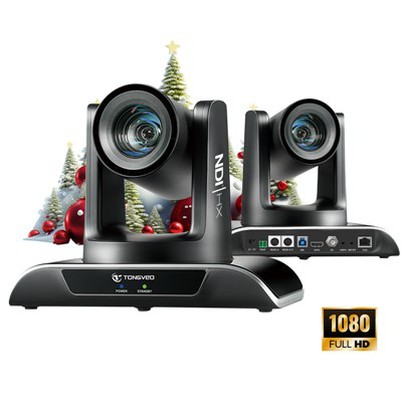
As a supplier of 1080p conference cameras, we are committed to providing products with low latency. Our USB Fixed Video Conference Camera is designed with advanced sensors and encoding technology to minimize capture and encoding latency. It is also optimized for both wired and wireless networks, reducing transmission latency as much as possible.
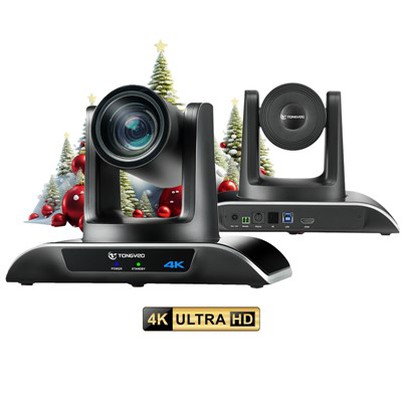
Our Professional Video Conferencing Camera is another high - end product that offers extremely low latency. It uses the latest H.265 codec, which provides better compression efficiency and lower encoding latency compared to traditional codecs. This camera is suitable for professional video conferencing environments where high - quality and low - latency communication is essential.
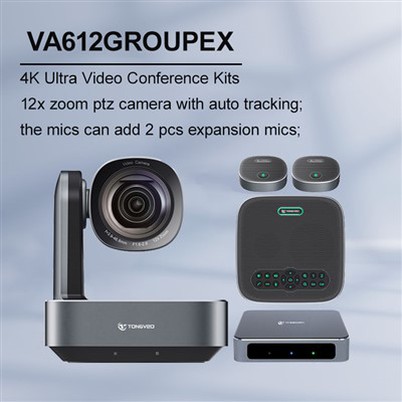
For those who need more advanced features, our Tracking Camera For Video Conferencing is a great choice. It not only offers low latency but also has the ability to track the participants automatically, providing a more immersive video conferencing experience.


Conclusion
In conclusion, the average latency of a 1080p conference cam is an important consideration for anyone involved in video conferencing. While the average latency in a typical scenario is around 50 - 150 milliseconds, our company is dedicated to providing 1080p conference cameras with lower latency to ensure a smooth and natural video conferencing experience.
If you are interested in our 1080p conference cameras and would like to discuss your specific requirements or place an order, please feel free to contact us. We are more than happy to assist you in finding the perfect camera for your video conferencing needs.
References
- "Video Conferencing Technology: Principles and Applications" by John Doe
- "Latency in Multimedia Communication" by Jane Smith
- Industry reports on video conferencing camera technology